MeetThingsWorking ships
Hurtigruten · Bergen to Kirkenes, Norway
The fast route takes twelve days
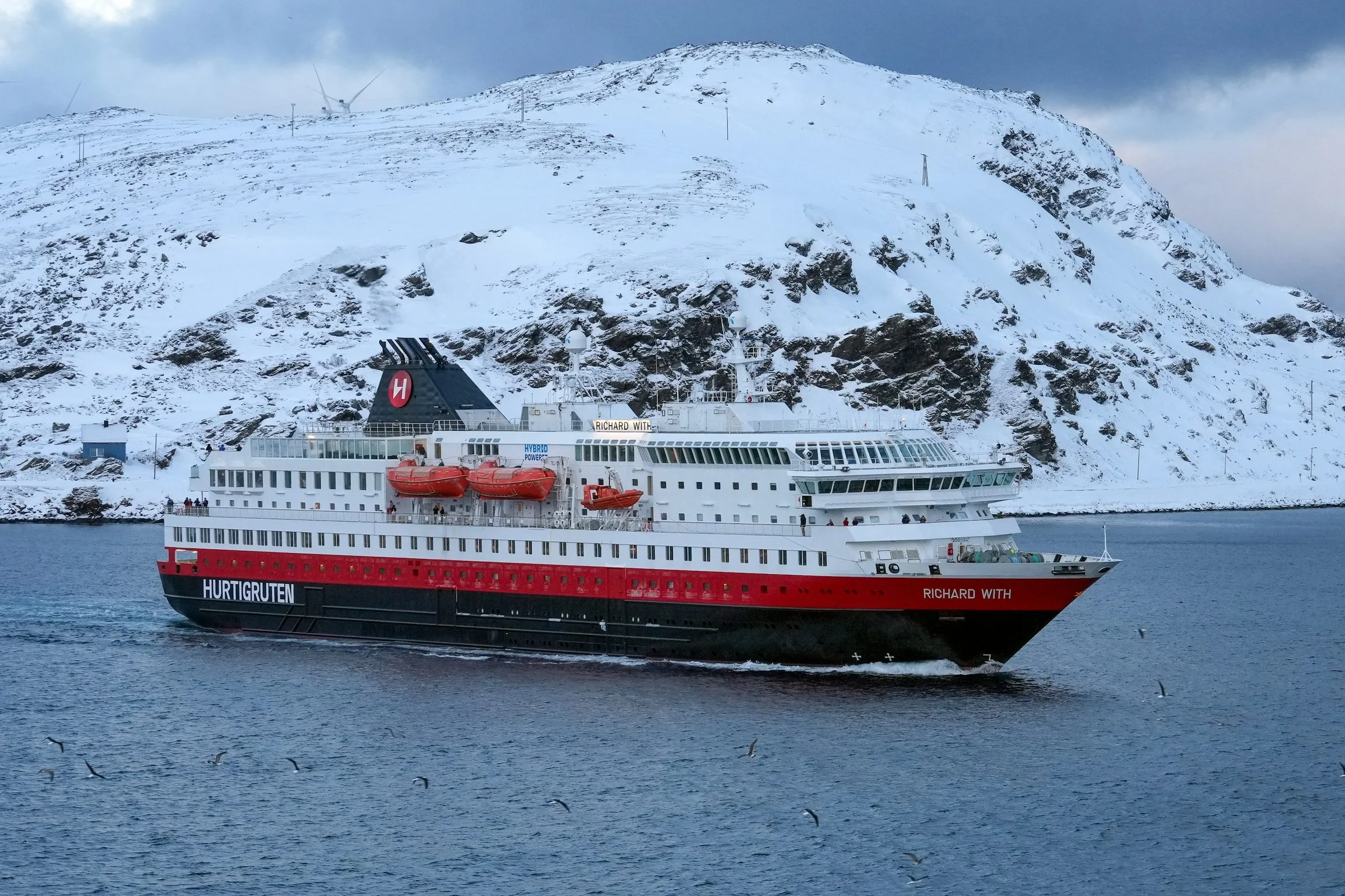
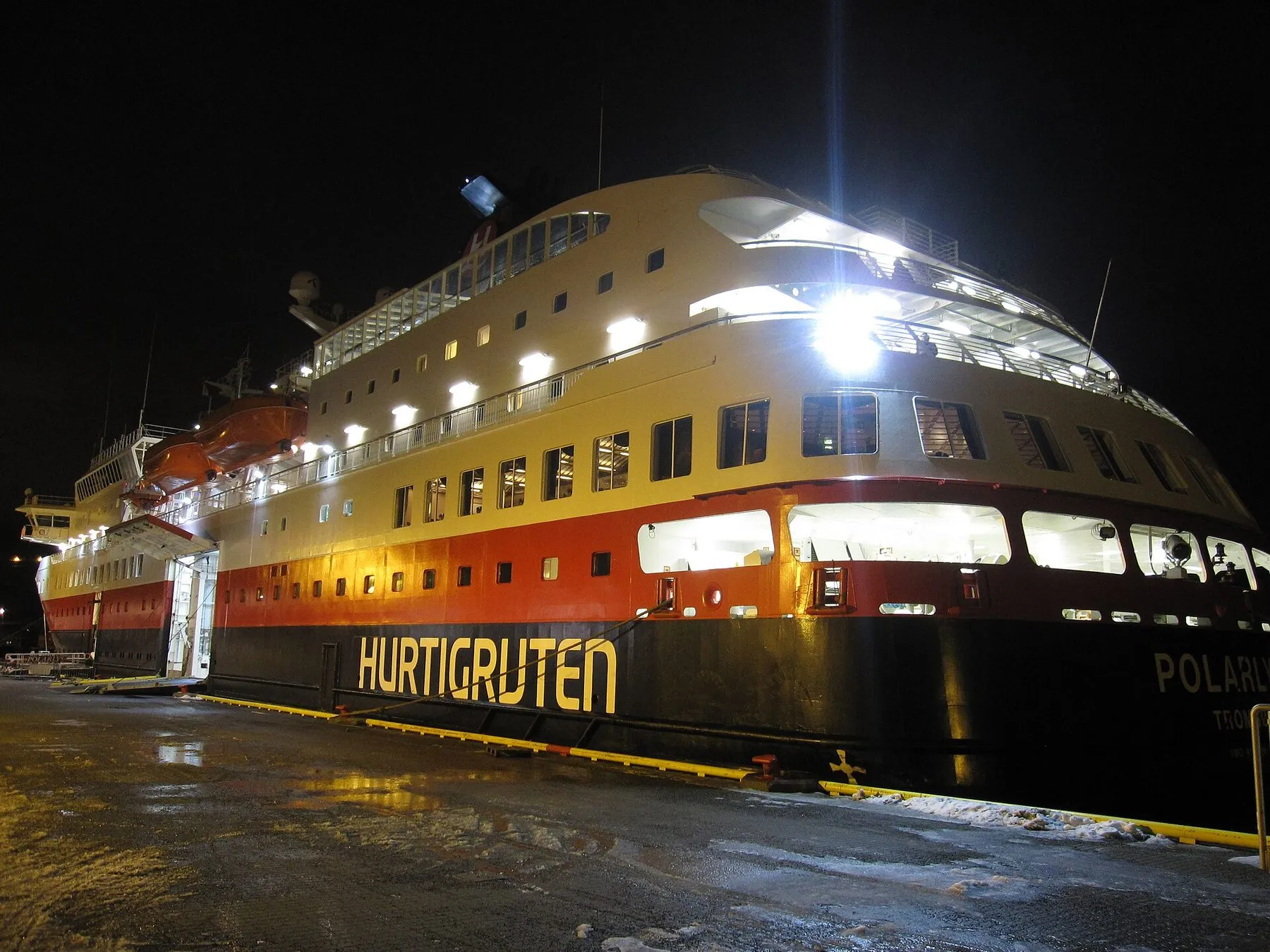
Hurtigruten means the fast route. In 1893 it cut the mail to Arctic Norway from weeks to days. It still sails every day, calls at 34 ports and carries the freight, and you are allowed to go along.

- Founded
- 1893, by Richard With
- Route
- Bergen to Kirkenes
- Ports
- 34 going north
- Distance
- About 4,600 km, there and back
- Round trip
- 12 days
Nobody wanted the contract
In 1891 the Norwegian government asked for bids to run a fast steamer service up the coast to the far north. Nobody replied. The coast was long, badly charted and dark for months at a time, and the sensible view was that it could not be sailed to a timetable in winter.
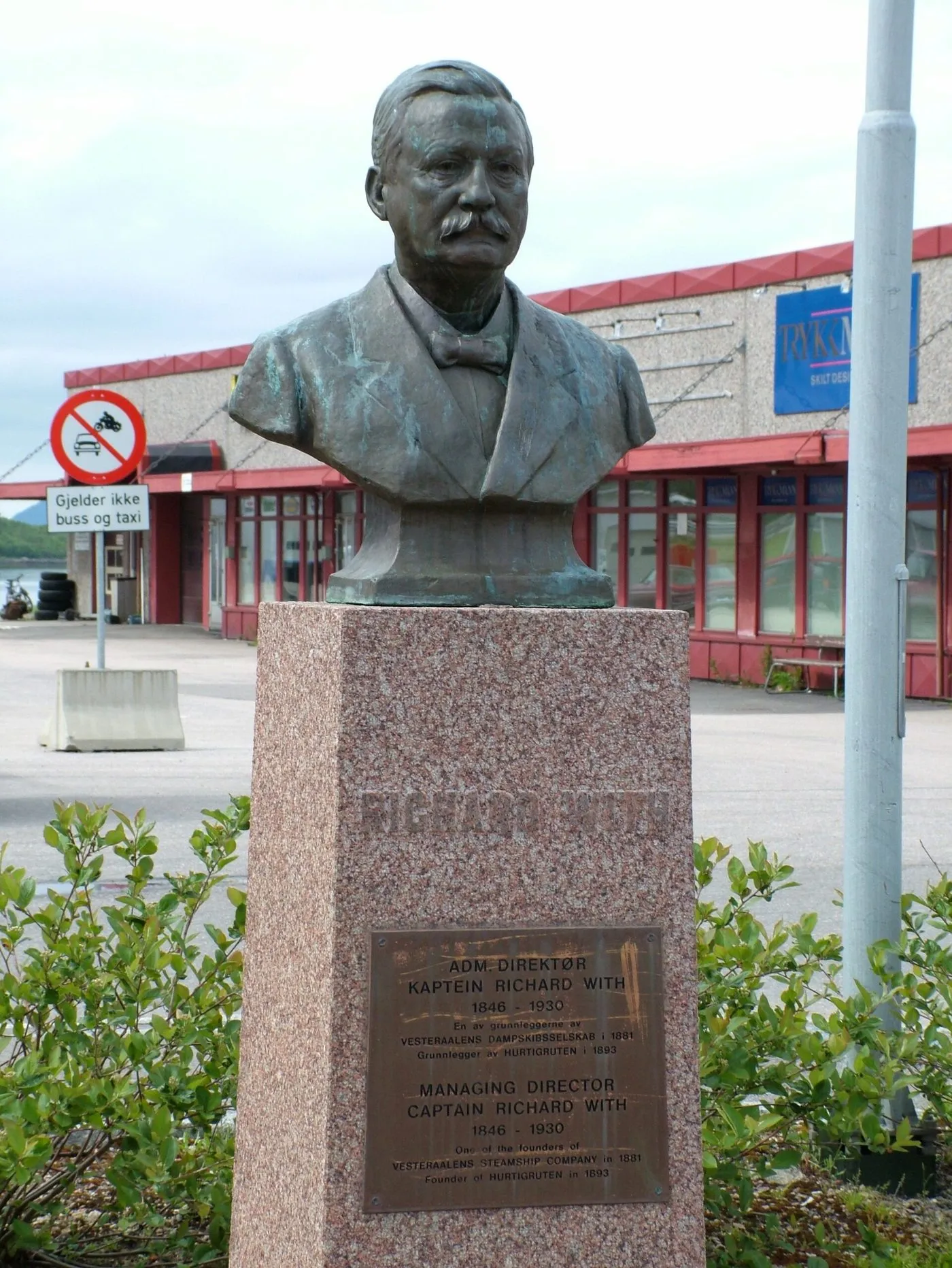
The next year it asked again and got one answer, from a captain in Vesterålen named Richard With. He and his pilot, Anders Holte, had spent years writing down courses, speeds and times between landmarks, so that with a compass and a clock they could find their way in the dark.
On July 2, 1893, his steamer Vesteraalen left Trondheim. She called at nine ports and reached Hammerfest 67 hours later, 45 minutes early.
Before that, a letter from Trondheim to Hammerfest took three weeks in summer and up to five months in winter. Now it took days. With called the service hurtigruten, the fast route.
It was extended south to Bergen and north to Kirkenes, by the Russian border, and by 1936 a ship left every day. Then came the war, and most of the fleet was sunk. It was rebuilt, and the daily sailing has continued since.
With a compass and a clock they could find their way in the dark.
A ferry with a dining room
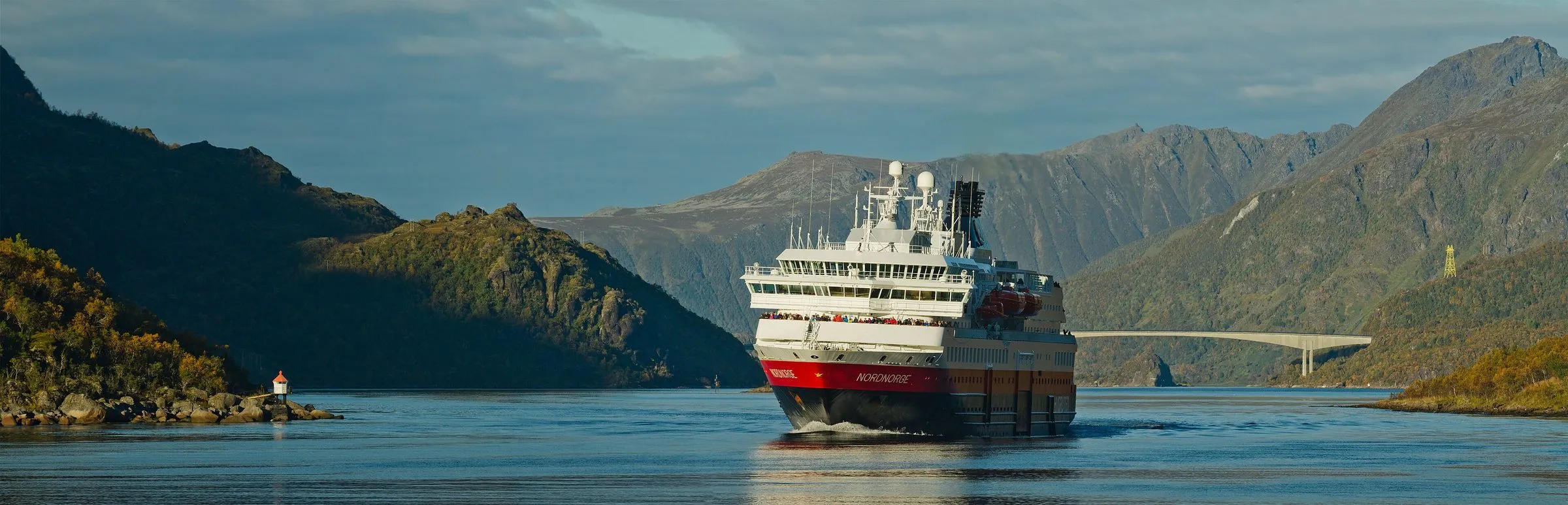
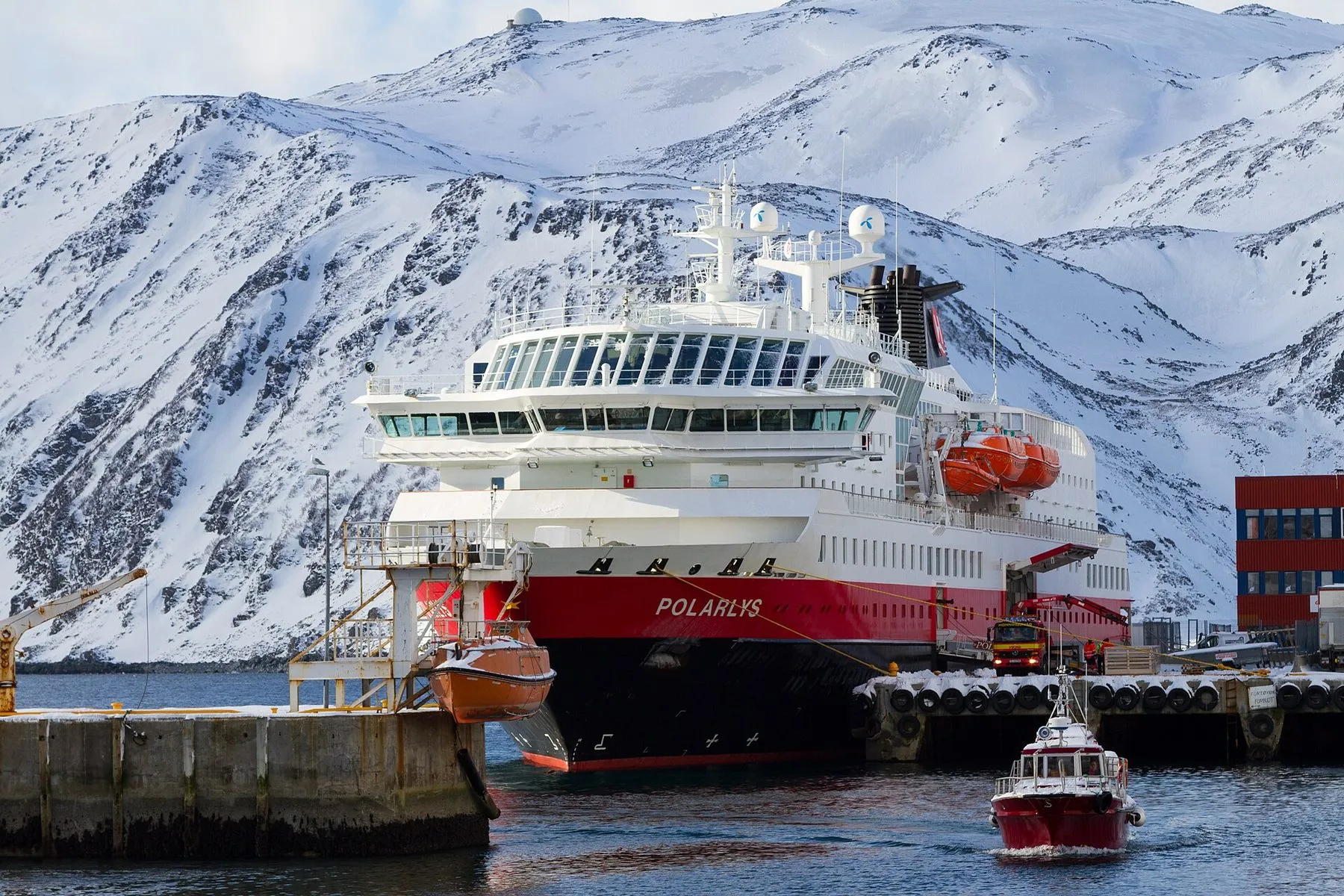
It is still a transport service. The Norwegian state pays for a ship to leave Bergen every day of the year, and requires each one to have room for 150 pallets of freight as well as its passengers. Since 2021 the work has been shared. Hurtigruten runs seven of the eleven ships and a newer company, Havila, runs four.
So the ship you are on may be carrying fish, groceries, a new fridge, somebody’s car and a football team going two stops. You are welcome to come along.
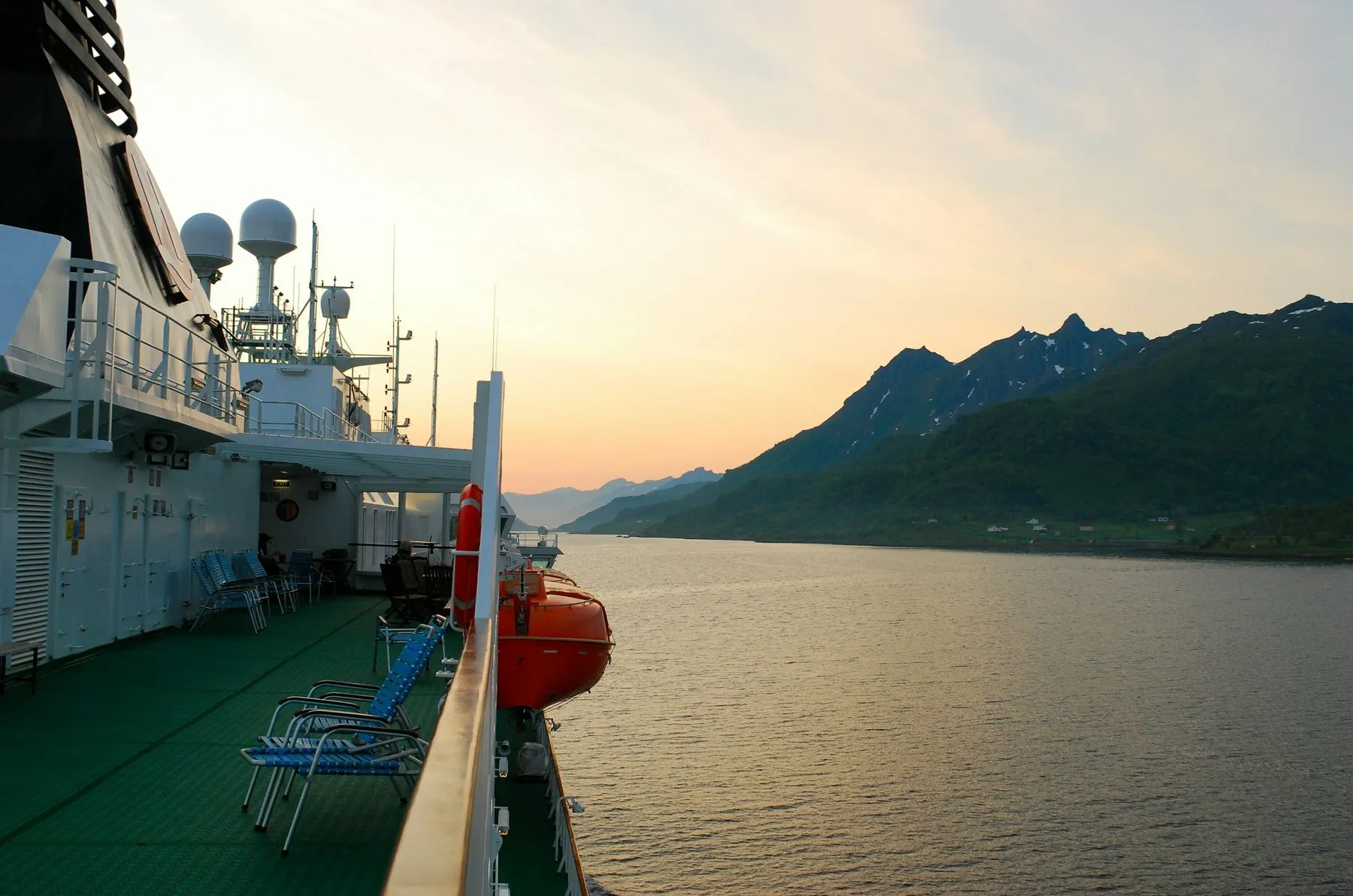
It calls at 34 ports going north, as many as six in a day. Some stops last several hours, in Trondheim or Tromsø. Others are ten minutes at a quay in the dark, with the cargo door opening somewhere below your cabin at three in the morning. Nobody apologises for this. It is the point.
There is no casino and no show. There is a restaurant, a talk about wherever you happen to be, and a ceremony when you cross the Arctic Circle, which involves ice water and is voluntary in the way these things are.
Most of the ships were built in the 1990s. The oldest, Vesterålen, dates from 1983 and went back to work in 2026 after a refit.
Nobody apologises for this. It is the point.
134 hours of television
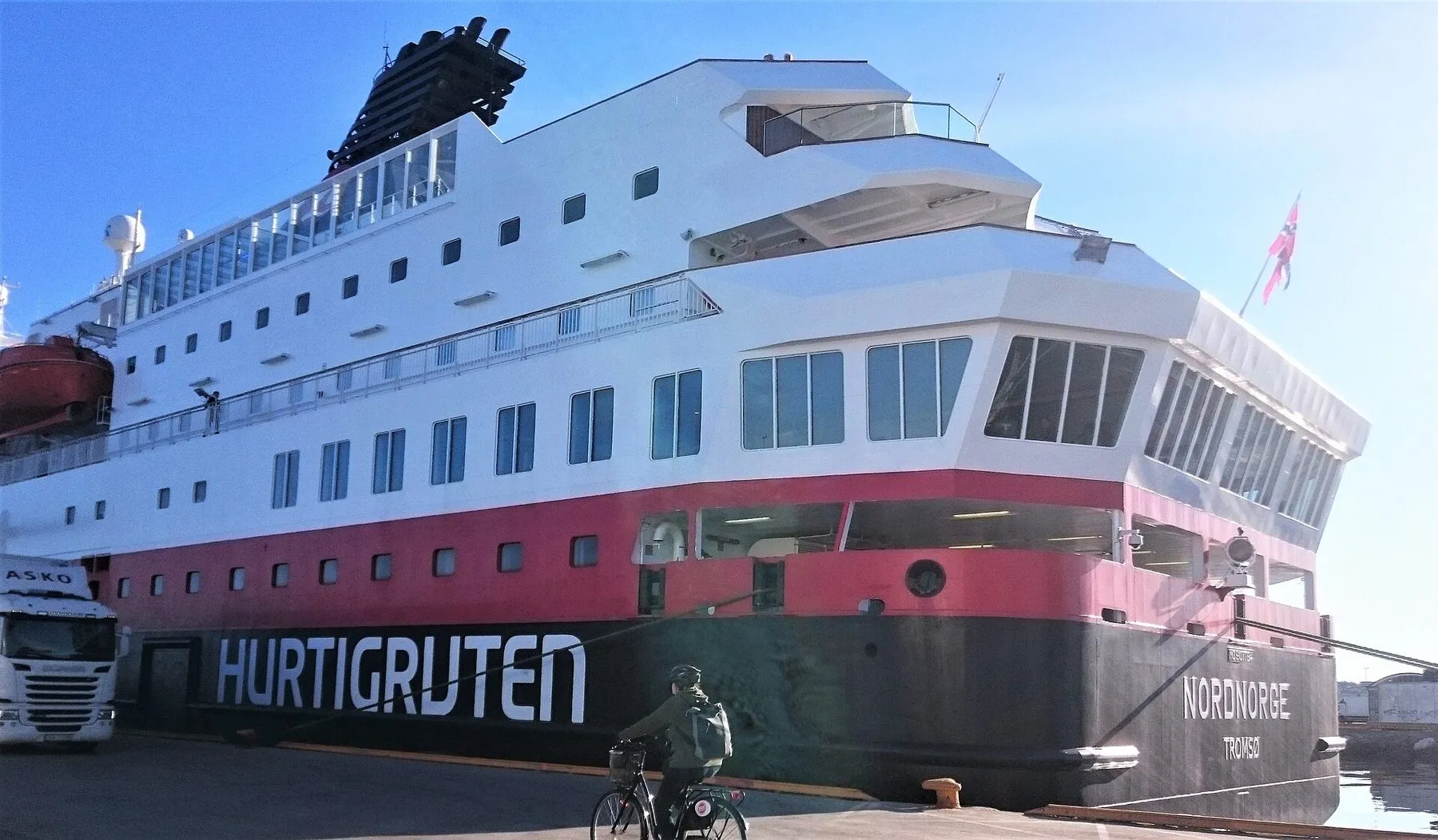
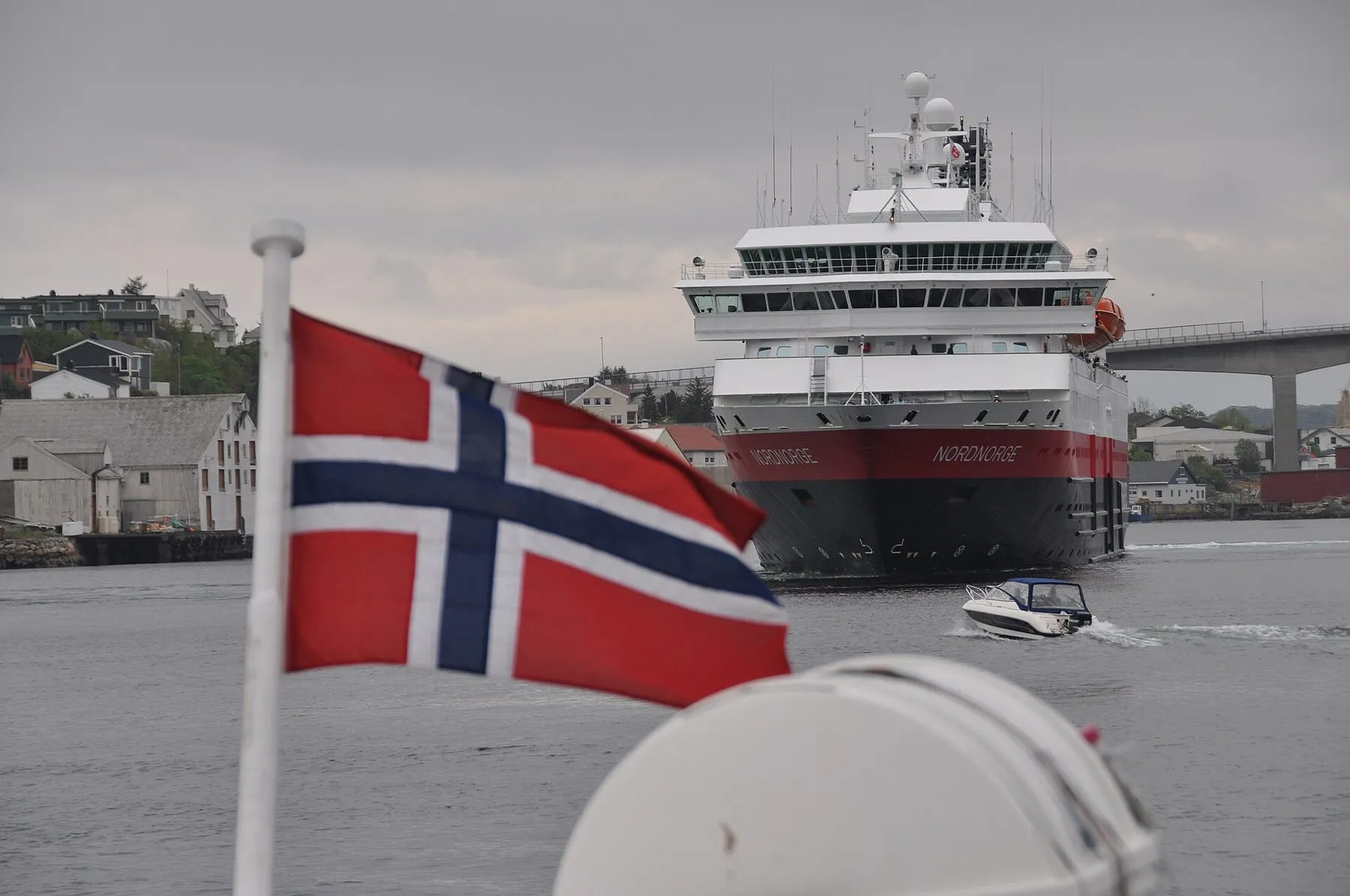
On June 16, 2011, the state broadcaster NRK put cameras on the Nordnorge as she left Bergen and did not turn them off until she reached Kirkenes. The programme ran for 134 hours, 42 minutes and 45 seconds, live, with no plot.
About 3.2 million people watched some of it. Norway had fewer than five million people at the time.
What they watched was a ship going past things. Islands. A bridge. Another island. As word got round, the things started waving back. People lined the quays with flags, came alongside in small boats and stood on headlands in the middle of the night to be on television for four seconds.
Guinness lists it as the longest live television documentary ever made. NRK calls the genre slow TV, and has also broadcast a train journey, a knitting evening and twelve hours of firewood. The ferry is still the famous one.
What they watched was a ship going past things.
The catch
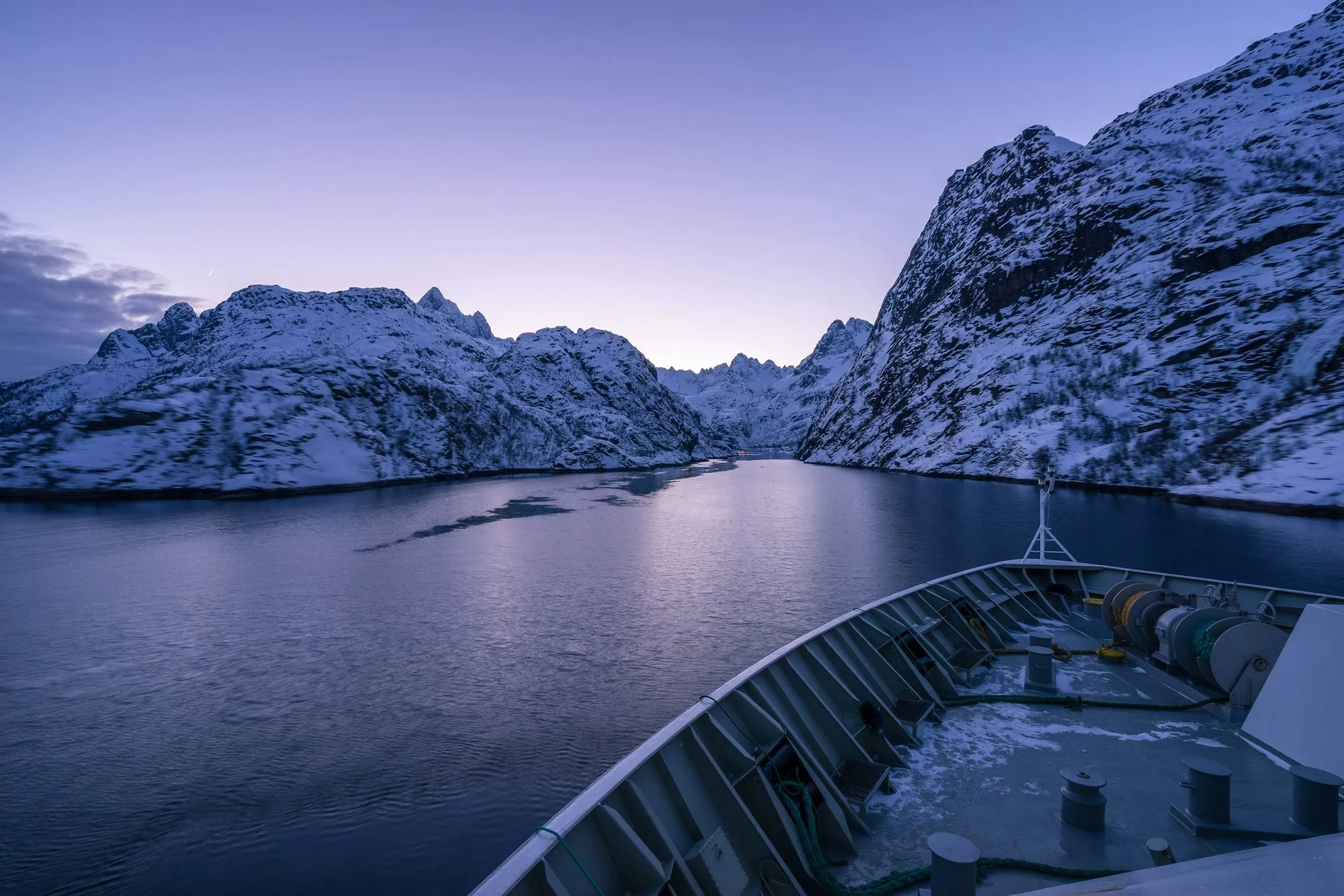
The catch is that it is priced like a cruise and built like a ferry. The cabins are small. The ship reaches some of the best places on the route while you are asleep, which is why people do the whole round trip. What you pass at night going north, you pass by day coming south.
The open stretches can be rough, and in December the far north gets no daylight at all. In exchange you get the northern lights, and the company is confident enough to promise them. If none appear on a voyage of eleven days or more between September 20 and March 31, it gives you another, shorter voyage free.
The company calls this the world’s most beautiful voyage. It would. But the scenery is not in dispute, and neither is the oddest thing about the trip, which is that it is real. The ship would be making the journey whether you were on it or not.
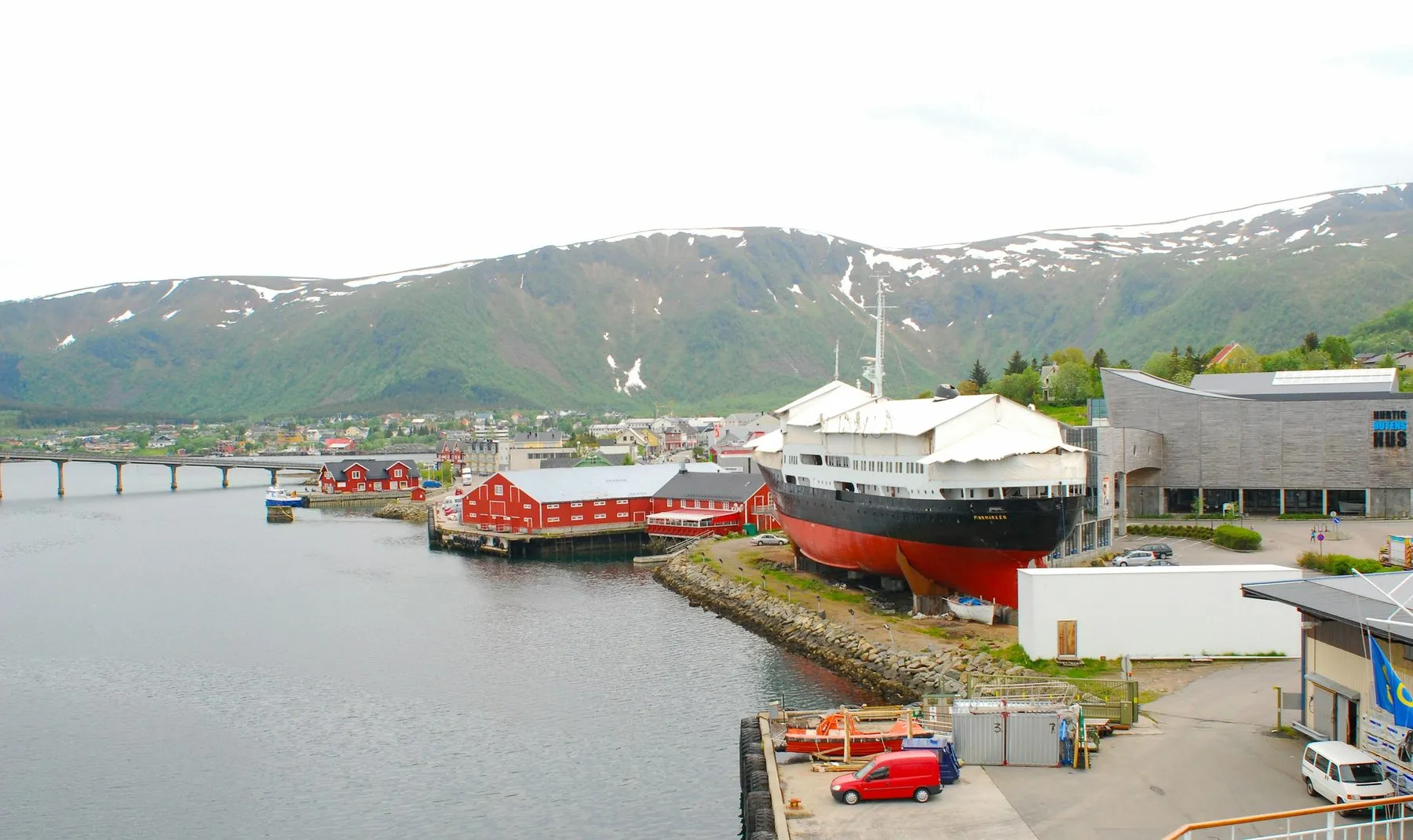
In Stokmarknes, where Richard With started, an entire ship from 1956 called the Finnmarken sits on dry land at the museum. It is the most Norwegian possible way to commemorate a ferry.
The fares
Per person, in U.S. dollars, which is how Hurtigruten quotes them to North Americans. Meals are included on these voyages.
The whole route
Round tripfrom $2,073
Bergen to Kirkenes and back. Twelve days. Cheapest in January 2027.
Northbound onlyfrom $1,940
Bergen to Kirkenes. Seven days.
Southbound onlyfrom $1,210
Kirkenes to Bergen. Six days.
These were sale prices. The regular fares were $2,961, $2,156 and $1,424.
One port to the next
Port to portBy the leg
Any leg of the route. No cabin needed for less than 23 hours. Meals are extra.
A bicycle250 kroner
It travels on the car deck.
Fares are Hurtigruten’s own, checked on October 2, 2026. Excursions ashore cost extra.
If you go
- Getting there
- Fly to Bergen. The ship leaves from its own terminal near the centre, and you can leave it at any of the 34 ports.
- When
- The midnight sun runs from late May to early August. The northern lights season is late September to the end of March.
- Which way
- Do the round trip if you can. Ports you sleep through going north turn up in daylight coming south.
- Cabins
- Inside cabins are the cheapest, and dark, which helps in June. Suites are not sold for port-to-port trips.
- The other ships
- Four of the eleven ships on the route belong to Havila, a separate company with newer vessels and its own fares.