MeetThingsDories
Pacific City · Tillamook County, Oregon
Pacific City is not a city
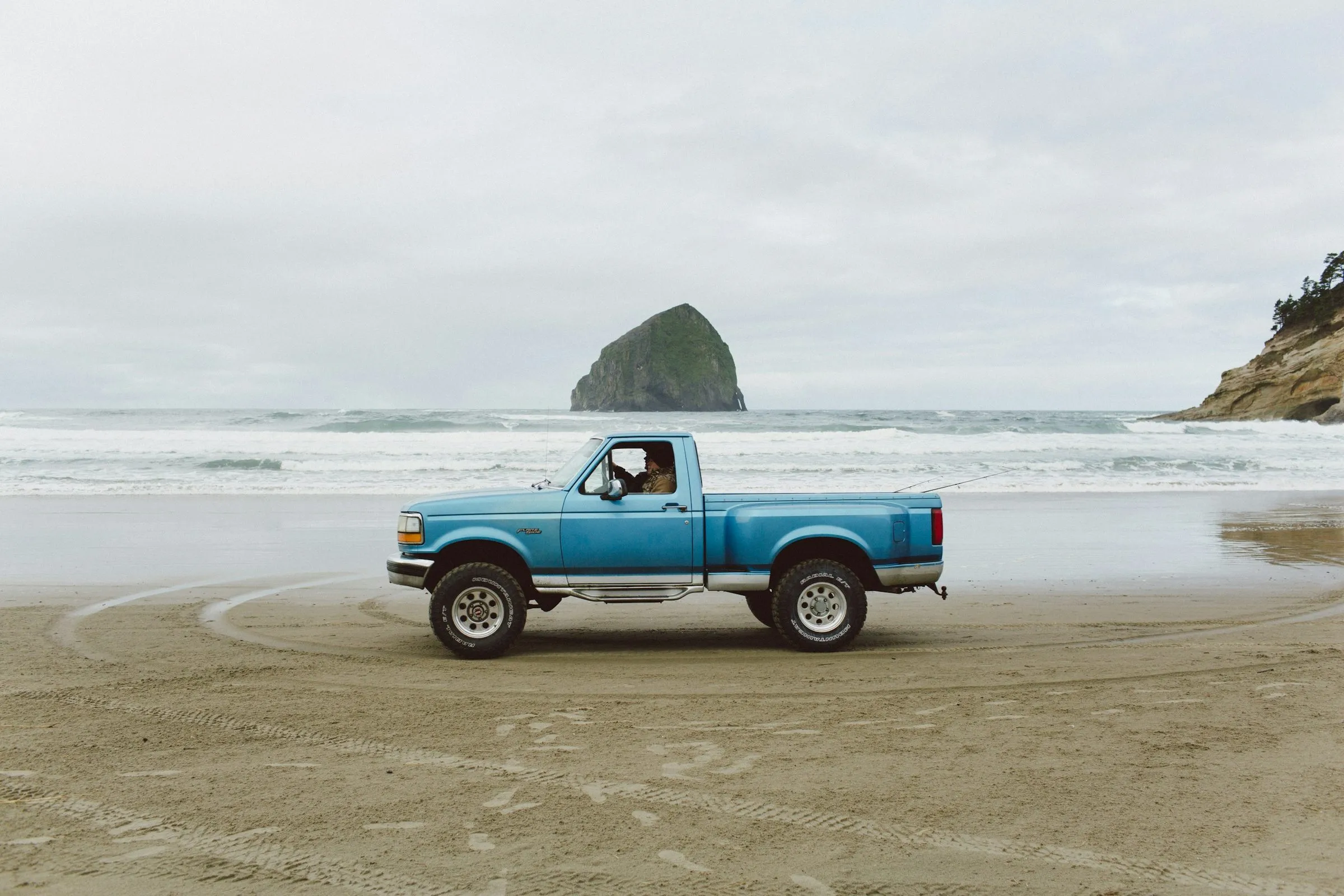
It has no mayor, no council and no city limits. It has 1,109 people, about 250 fishing boats that launch straight off the beach, and a headland that was found too unstable for a nuclear reactor. Somebody did check.
- Where
- Tillamook County, Oregon
- People
- 1,109
- Mayor
- None
- Harbour
- The beach
- The fleet
- About 250 dories
- From Portland
- About two hours
No mayor, no council, no city
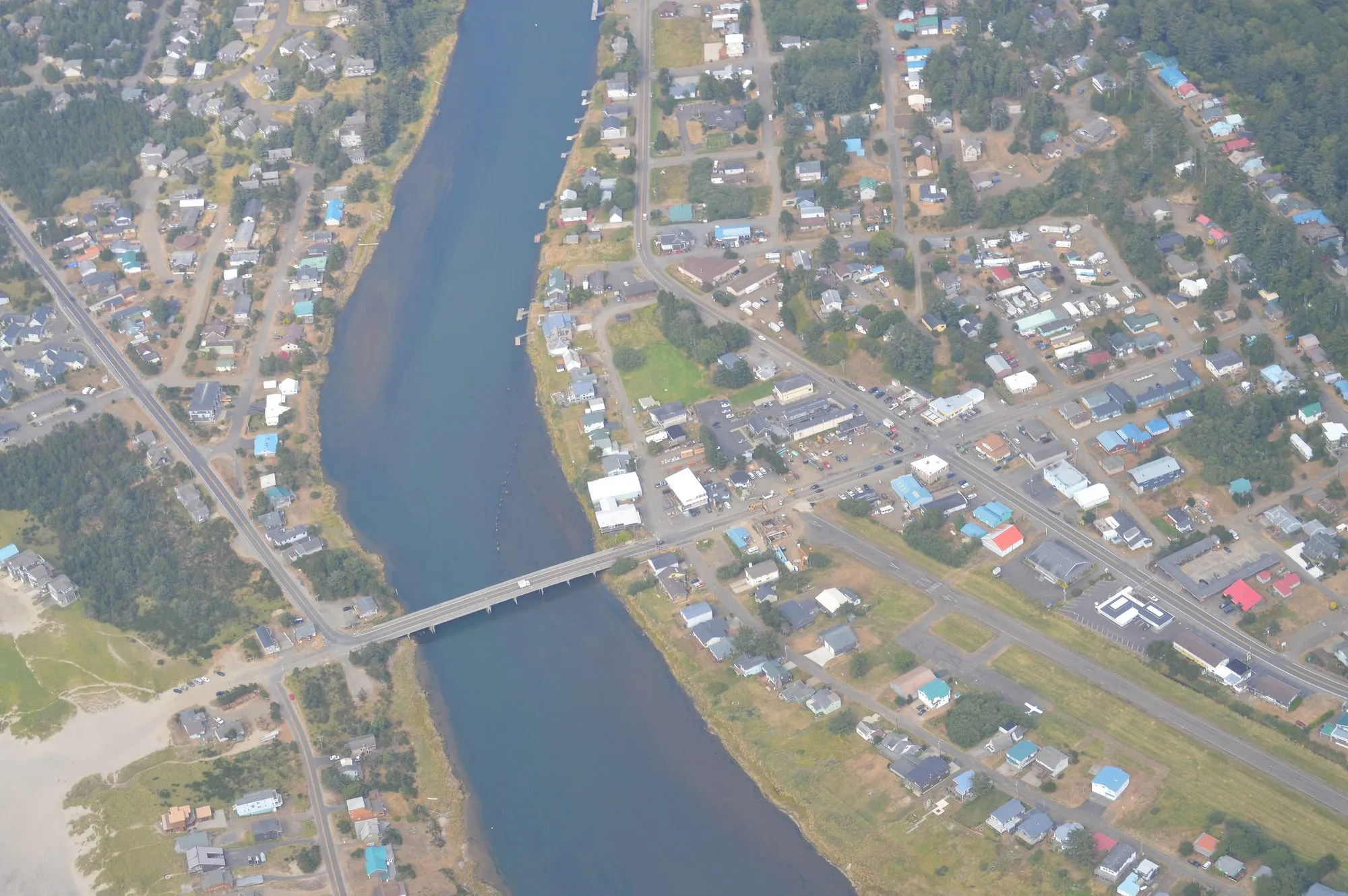
Pacific City has 1,109 people and a name that overstates things. It has never been a city. Legally it has never been a town either. Oregon calls it an unincorporated community, which means no mayor, no council, no bylaws of its own and no city limits to be inside of.
The government is Tillamook County, whose offices are 40 kilometres up the highway. The police are the county sheriff. If the residents want something changed, they drive to Tillamook and ask.
It was laid out in 1893 as Ocean Park. A flood took the first lots the following year, and the founder moved everything to higher ground. In 1909 it was renamed, to stop it being confused with the Ocean Park in Washington State. Somebody looked at a few streets beside a river and reached for the word City. Nobody has corrected it since.
What it does have is four undersea cables. They come ashore here from Hawaii, New Zealand, Australia, Japan, Korea, Taiwan and China, which makes Pacific City one of the better-connected places in North America to have nobody in charge.
Somebody looked at a few streets beside a river and reached for the word City.
The harbour is a beach
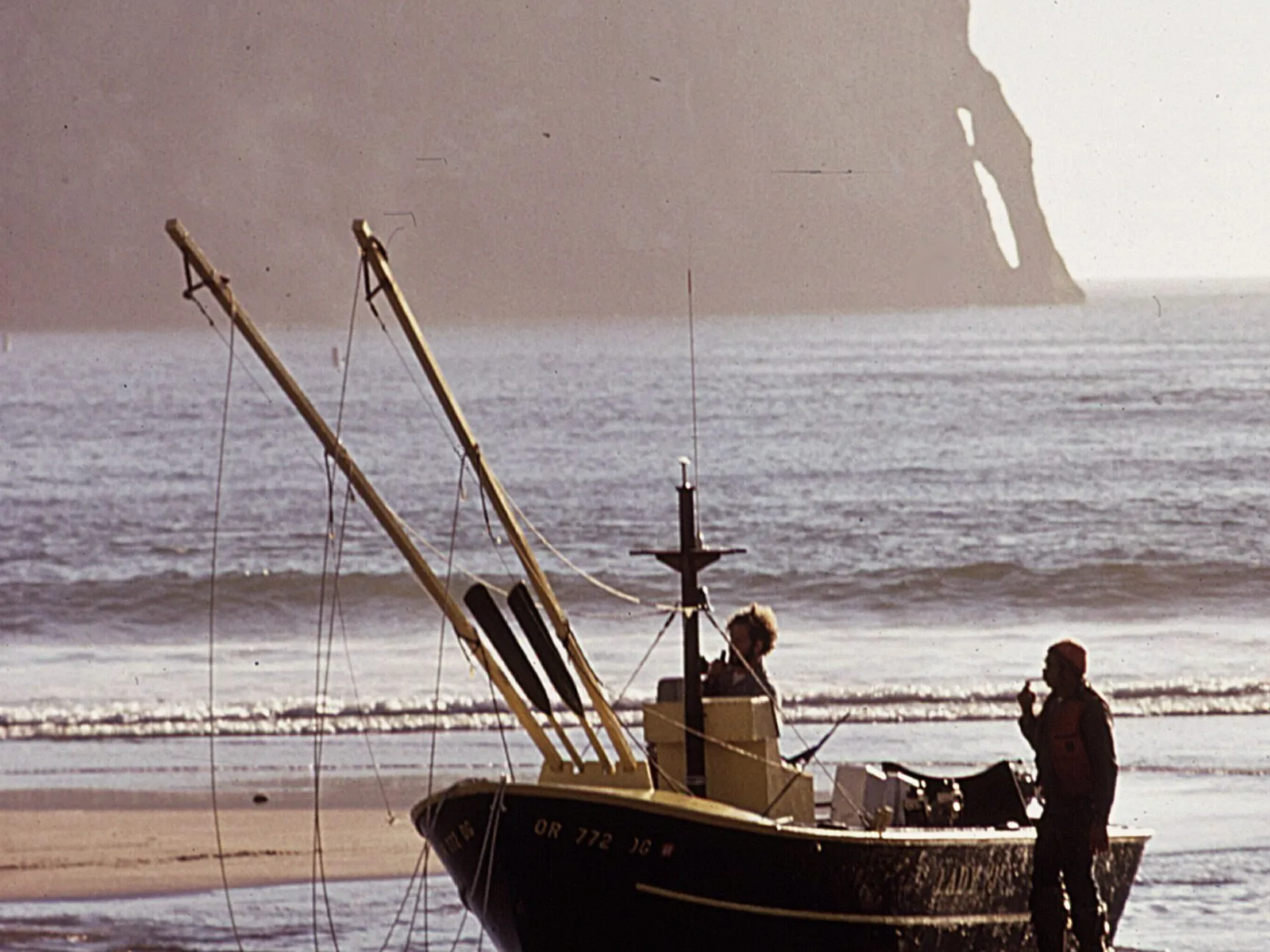
There is no harbour. The fishing fleet launches off the beach, through the surf, and has done for more than a century.
It started with salmon. The Nestucca River used to be full of them, and the gillnetters took so many that in the 1920s the bay was closed to commercial fishing. The fishermen went to sea instead, from the one stretch of sand on this coast where a headland and a hundred-metre rock take the worst out of the swell.
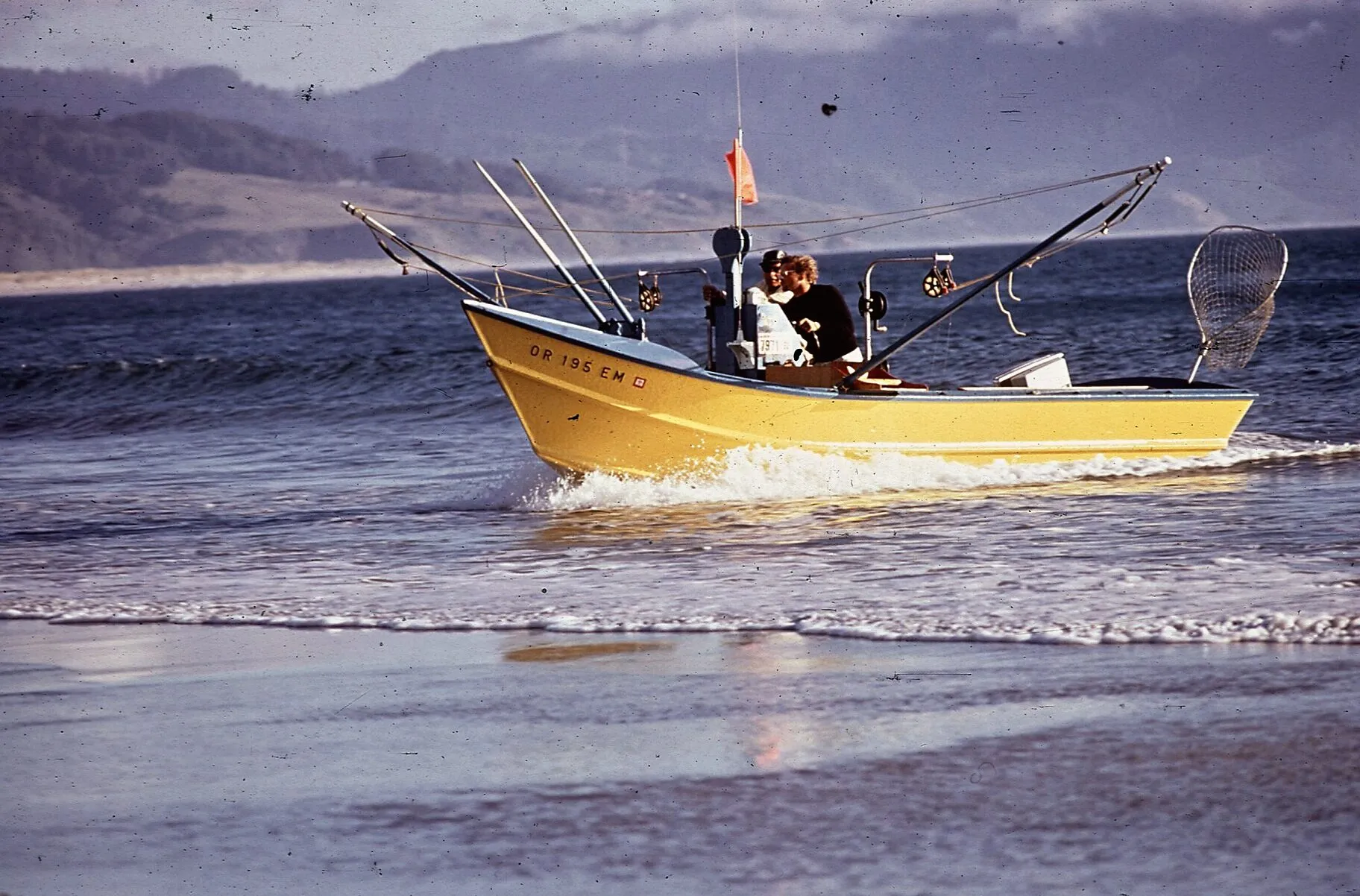
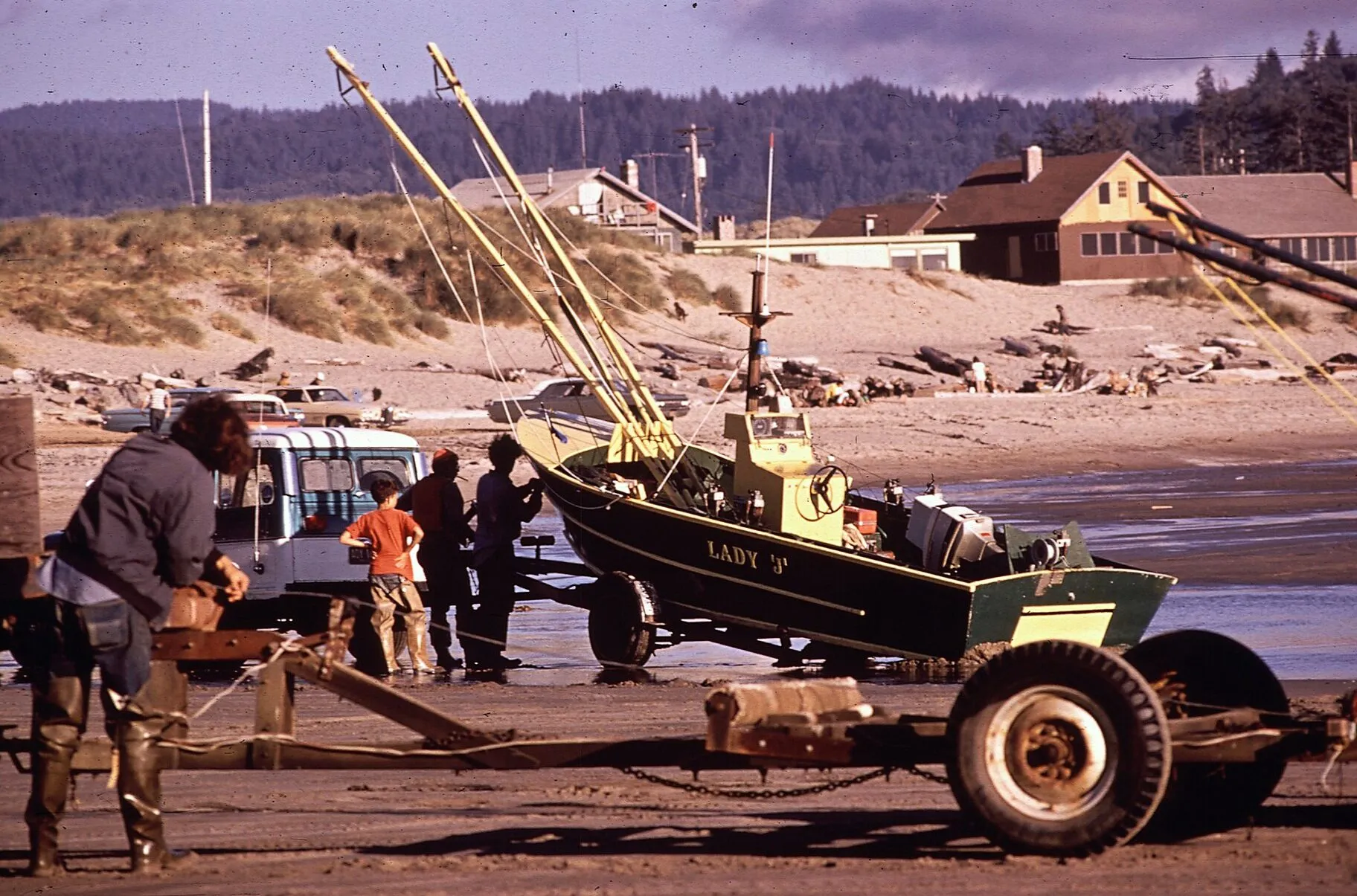
The boat is a dory, flat on the bottom and about six metres long. Launching one goes like this. A truck backs the trailer fast into the surf, drops the boat between waves and gets out of the way. The crew spin the bow to face the breakers, climb in and go.
Coming home is better. The skipper lines up on the sand, opens the throttle and does not slow down. At the last moment the motor tilts up, and the boat rides a wave onto the beach and slides to a stop. People on the sand are expected to have noticed.
The early dories were pointed at both ends and rowed. Around 1960 someone squared off the stern and hung a motor on it, and by 1968 one in every three new boats licensed in Oregon was a Cape Kiwanda dory. The Dorymen’s Association counts about 250 in the fleet today.
On the third weekend of July the town holds Dory Days, as it has since 1959, and parades the boats through the streets on their trailers. It is the only traffic problem of the year that anybody looks forward to.
Coming home, the skipper lines up on the sand and does not slow down.
Too unstable for a reactor
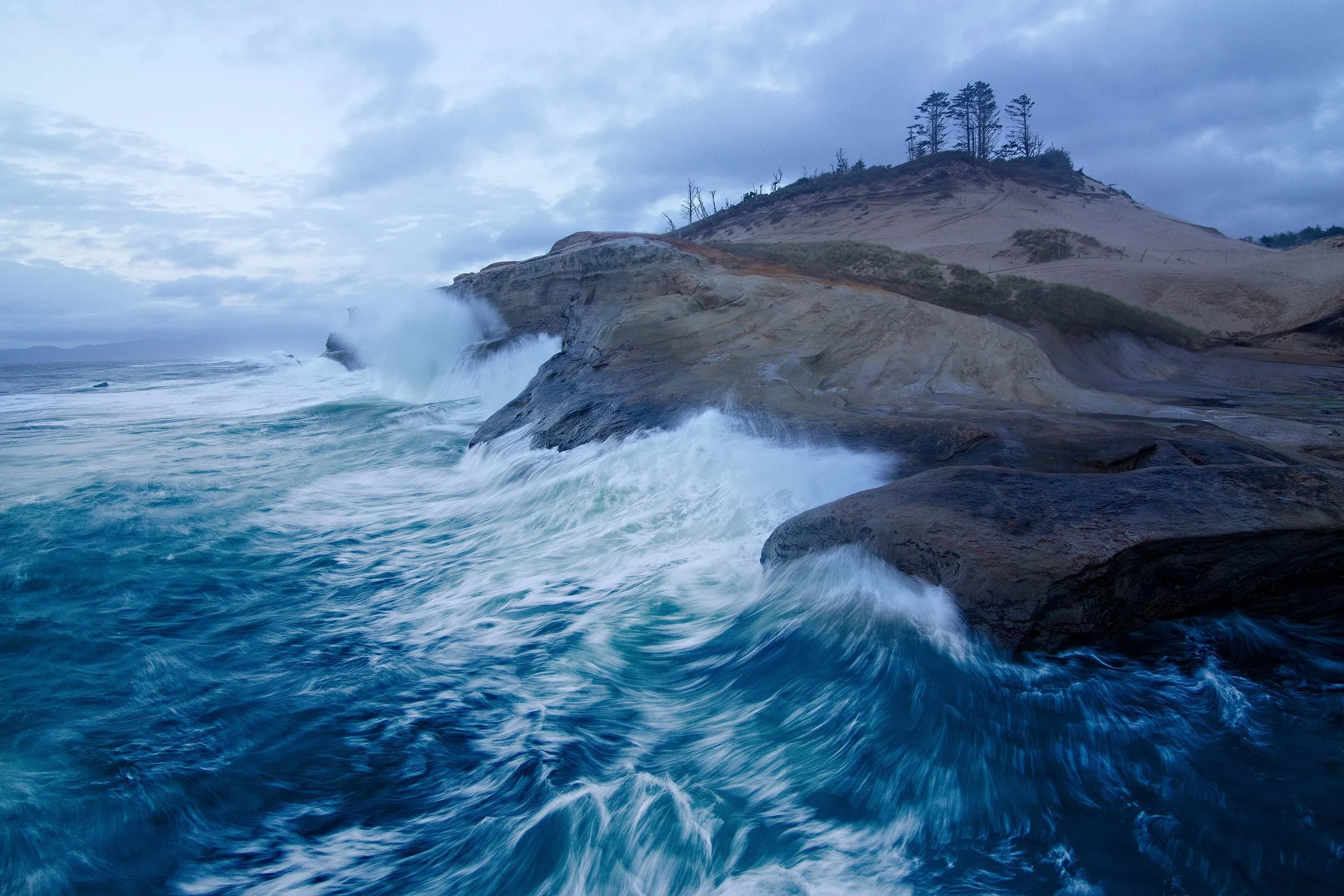
Cape Kiwanda is the headland at the north end of the beach. Most of the headlands on this coast are basalt. This one is sandstone, the colour of a digestive biscuit and about as durable.
It belonged to a banker from McMinnville named Barney McPhillips, whose family paid the taxes and let everybody walk on it. In February 1973 Portland General Electric took an option on the land. It had a nuclear power station in mind.
The company drilled, ran its seismic tests and announced in May that the ground was not stable enough. That August the legislature told the state to buy the cape, and it has been a park ever since.
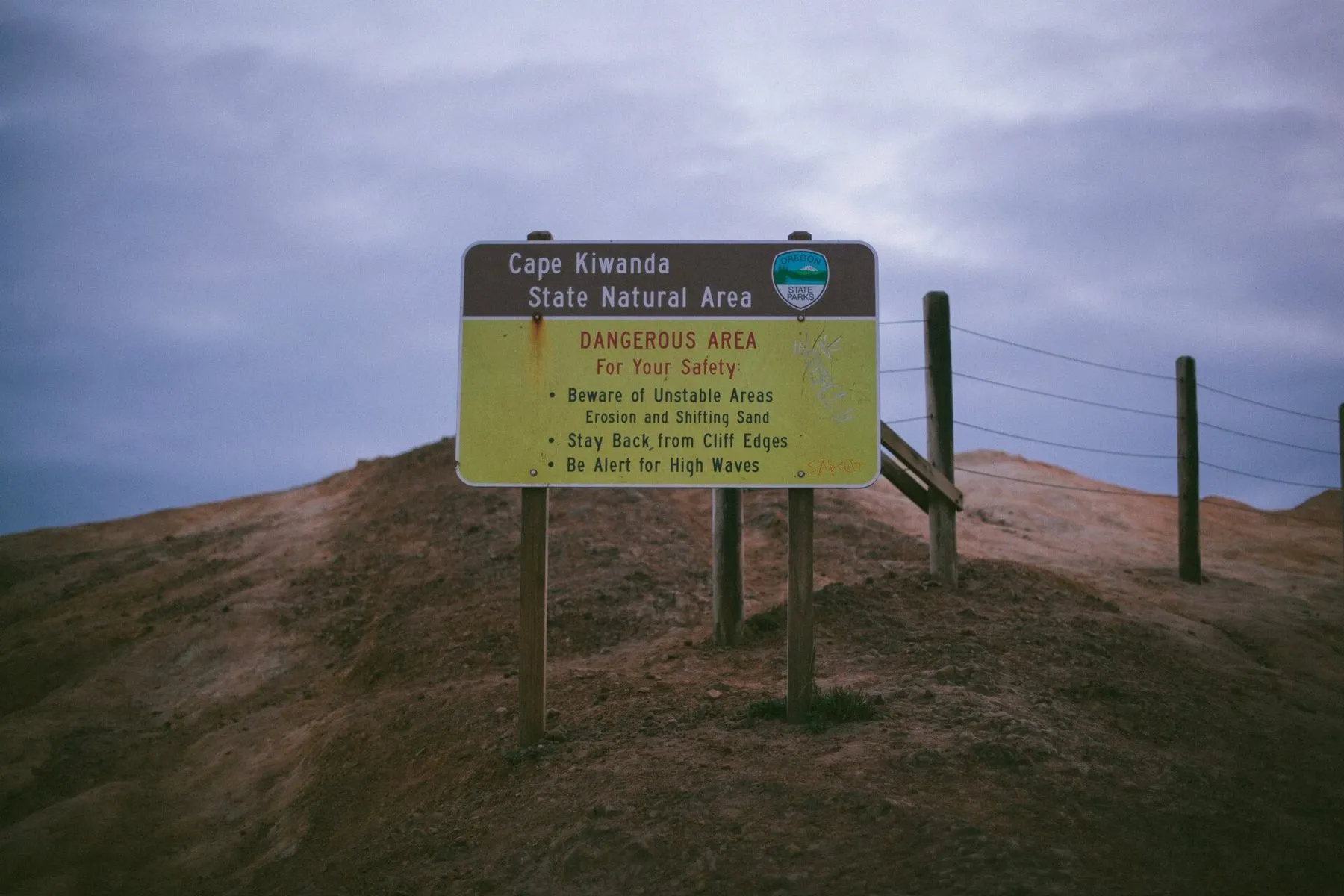
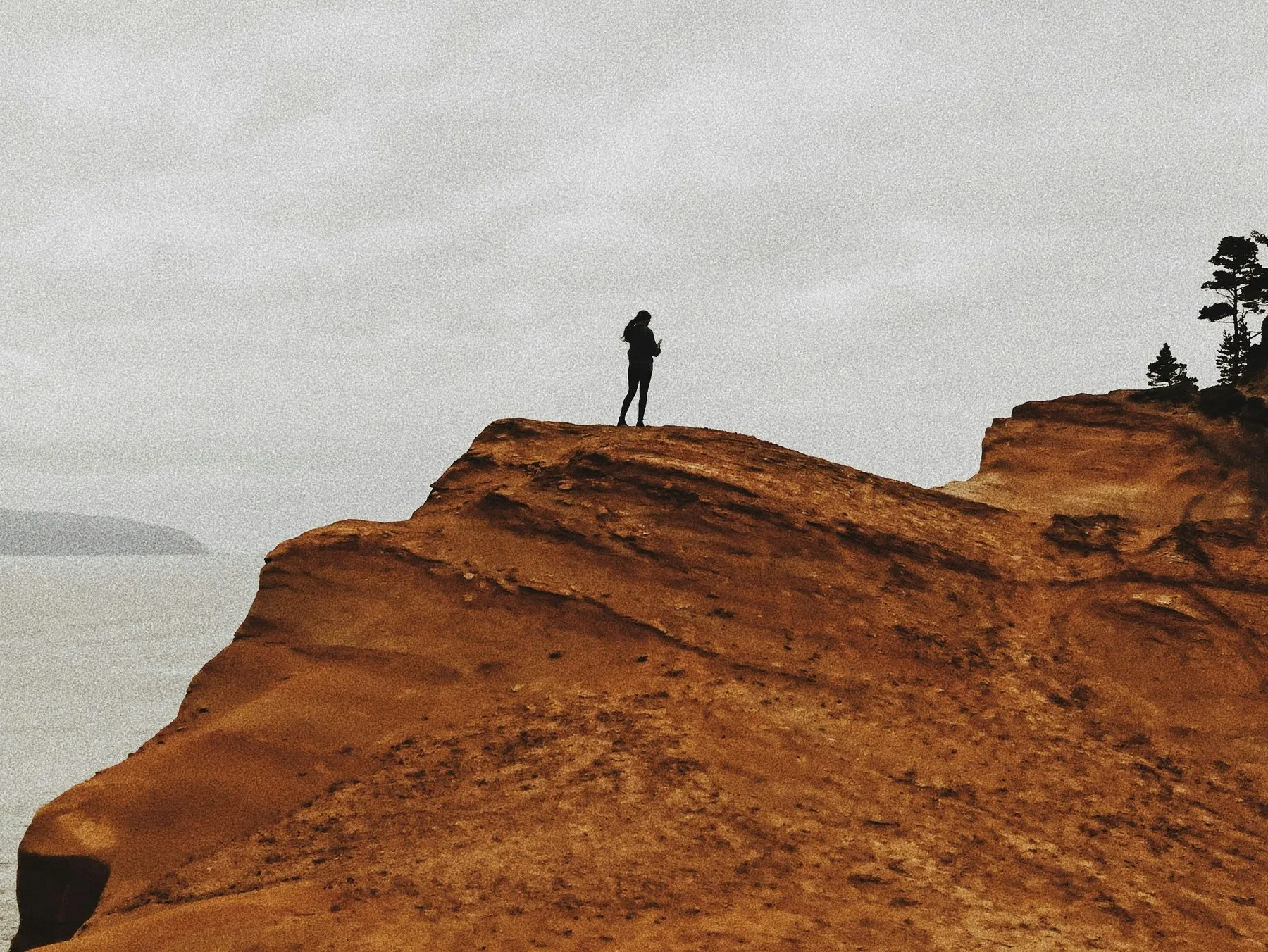
The geologists were right. The cape is still falling into the sea, now and then with somebody standing on it. Between 2009 and 2016 seven people died on its cliffs. Most of them were teenagers, and most had gone past the fence. The fence and the signs are not decoration.
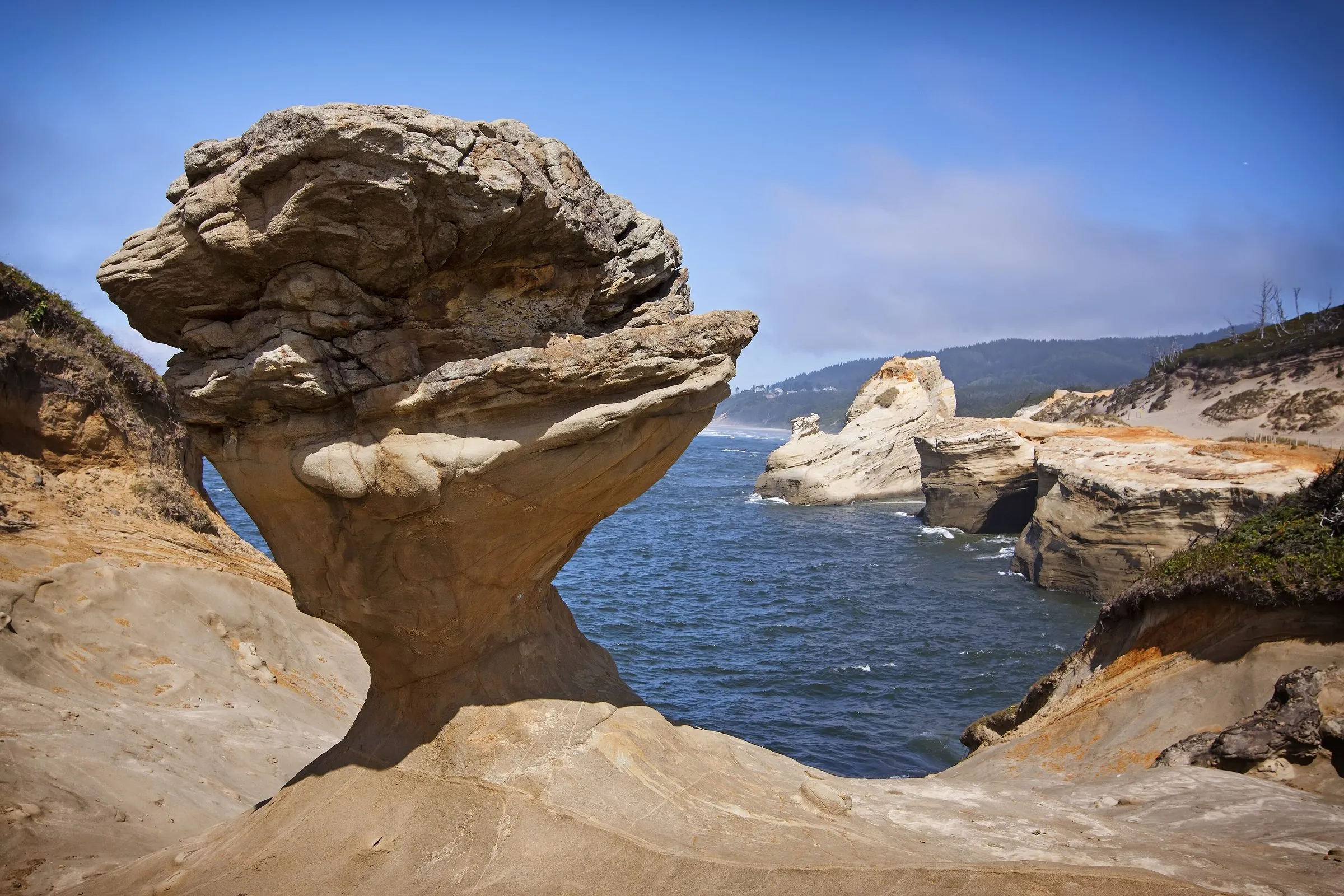
In August 2016 a group of visitors pushed over the Duckbill, a sandstone pedestal that had been on a great many postcards. Someone filmed them doing it. They said a friend had broken a leg on the thing, so they were removing a hazard. The police never found them.
The company drilled, looked at the results and left.
The other Haystack Rock
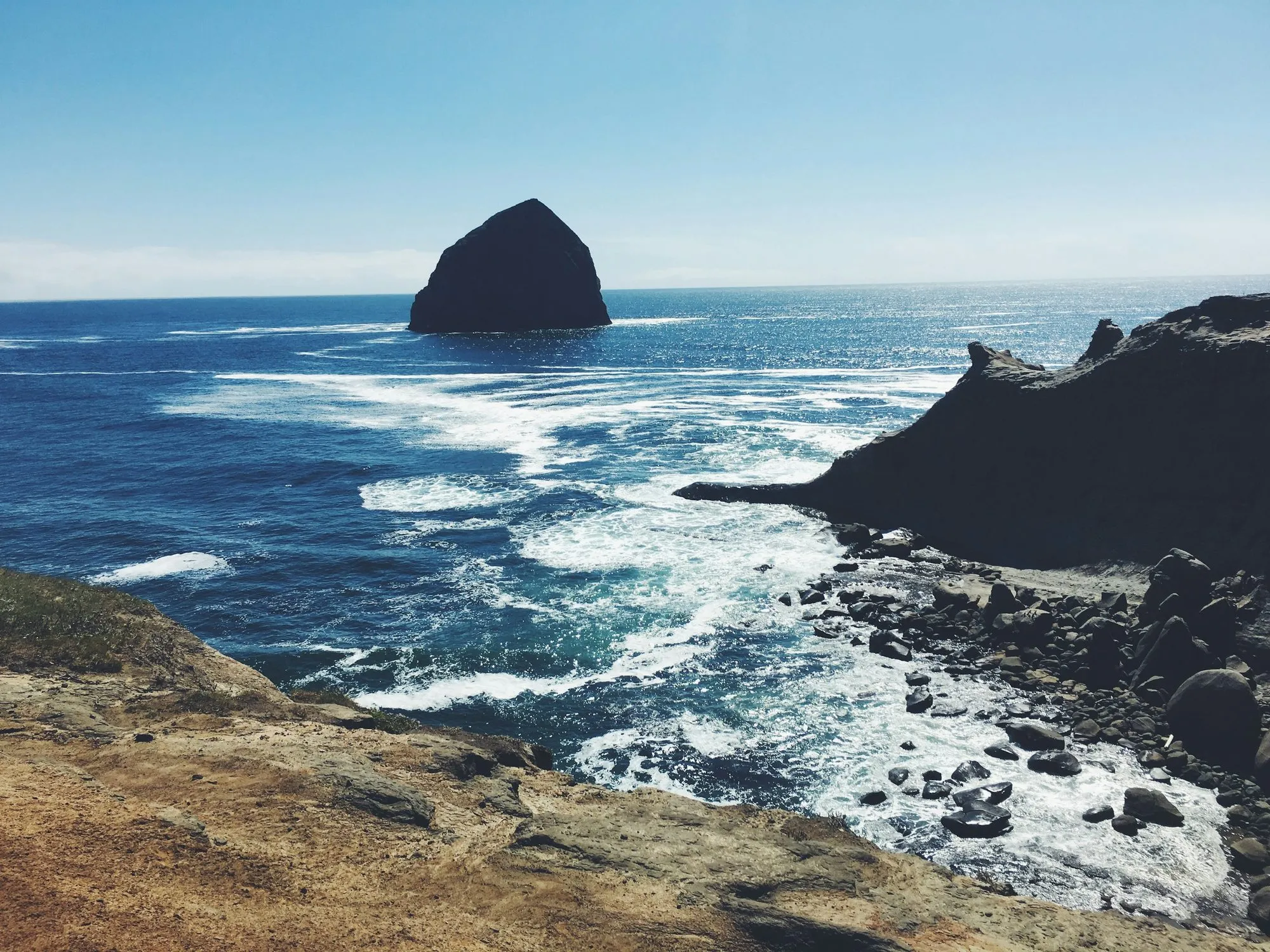
The rock offshore is called Haystack Rock. So is a more famous one about 100 kilometres up the coast at Cannon Beach, which gets the postcards and was in a film about pirate treasure. Oregon has three Haystack Rocks altogether, which suggests a shortage of either names or imagination.
This one is the tallest. It stands about 100 metres out of the water, nearly 30 more than the one at Cannon Beach, and it sits 800 metres offshore, so nobody walks out to it at low tide and it has been left alone. On the charts it is Chief Kiawanda Rock.
Behind the beach is a very large sand dune. People climb it for the view and run down it for no reason at all, which is the correct use of a dune.
Who builds a town with no government
A place with no council still gets built by somebody. Here a good deal of it was built by two people.
Jeff Schons and Mary Jones came out from Portland in 1990 to spend a winter in a fishing cabin by the river, and stayed. In 1996 they opened Pelican Brewing on the beach, beside the place where the boats come in. In 1998 they built the Inn at Cape Kiwanda, which had the first hotel rooms in town with a view of the ocean. A camp of Airstream trailers and an RV park followed, and at the end of 2017 a 33-room lodge with a spa, where rooms start at about US$350 a night.
A hotel company from Washington State, Noble House, now part-owns and runs all four of the places to stay.
None of it went before a city council, there being no city. It is how a fishing beach with no mayor came to have a spa.
The county has started charging US$10 a day to park at the cape. The dories still go out at first light, and the brewery still faces the rock. You can sit there with a pint and watch a boat arrive on the beach at full speed, which is more than most cities can offer.
It is how a fishing beach with no mayor came to have a spa.
If you go
- Getting there
- About two hours from Portland, by Highway 6 to Tillamook and then 35 km south on Highway 101. About an hour and a half from Salem. The town is 4.5 km off the highway, which has helped keep it the size it is.
- Parking
- The county lot at Cape Kiwanda charges US$10 a day.
- The boats
- Summer mornings, early. The dories come back through the day and land at speed, so stay off the wet sand north of the ramp and keep an eye on the water. Dory Days is the third weekend of July.
- The cape
- Climb the dune for the view. Stay behind the fences and off the low rock ledges, where waves have taken people.
- Eating and sleeping
- Pelican Brewing is on the sand at the foot of the cape. Rooms at Headlands Coastal Lodge start at about US$350 a night. The town also has motels, campgrounds and plenty of holiday rentals.
- When
- July and August for the boats and the crowds. Winter for storms, big surf and a beach to yourself.