MeetProductsHeadwear
The Tilley hat · Toronto, Ontario
The hat an elephant ate three times
In 1980 a Toronto art dealer wanted a sailing hat that would stay on, float and not shrink. Nobody sold one, so he had one made. It is still guaranteed for life, with conditions.

- Invented
- 1980, in Toronto
- By
- Alex Tilley, 1938 to 2025
- Made of
- Cotton duck, brass and foam
- Guarantee
- For life, with conditions
- Price
- From $99
A man who kept losing his hat
Alex Tilley was born in Mount Albert, Ontario, in 1938, and took some time to find his line of work. Bell Canada let him go after a month in sales. A bank kept him for nine. A tutoring business in Montreal grew, then failed. He started an MBA at York University and failed that as well, a fact he liked to share with interviewers.
By the 1970s he was renting paintings to Toronto offices out of a van he called the artmobile, and sailing on Lake Ontario whenever he could. The sailing was the problem. Hats blew off. The ones that stayed on shrank, or sank.
In 1980 he decided to have a proper one made. He found a milliner, a seamstress and a sailmaker, and took the prototypes on a voyage off Belize with his wife and two daughters.
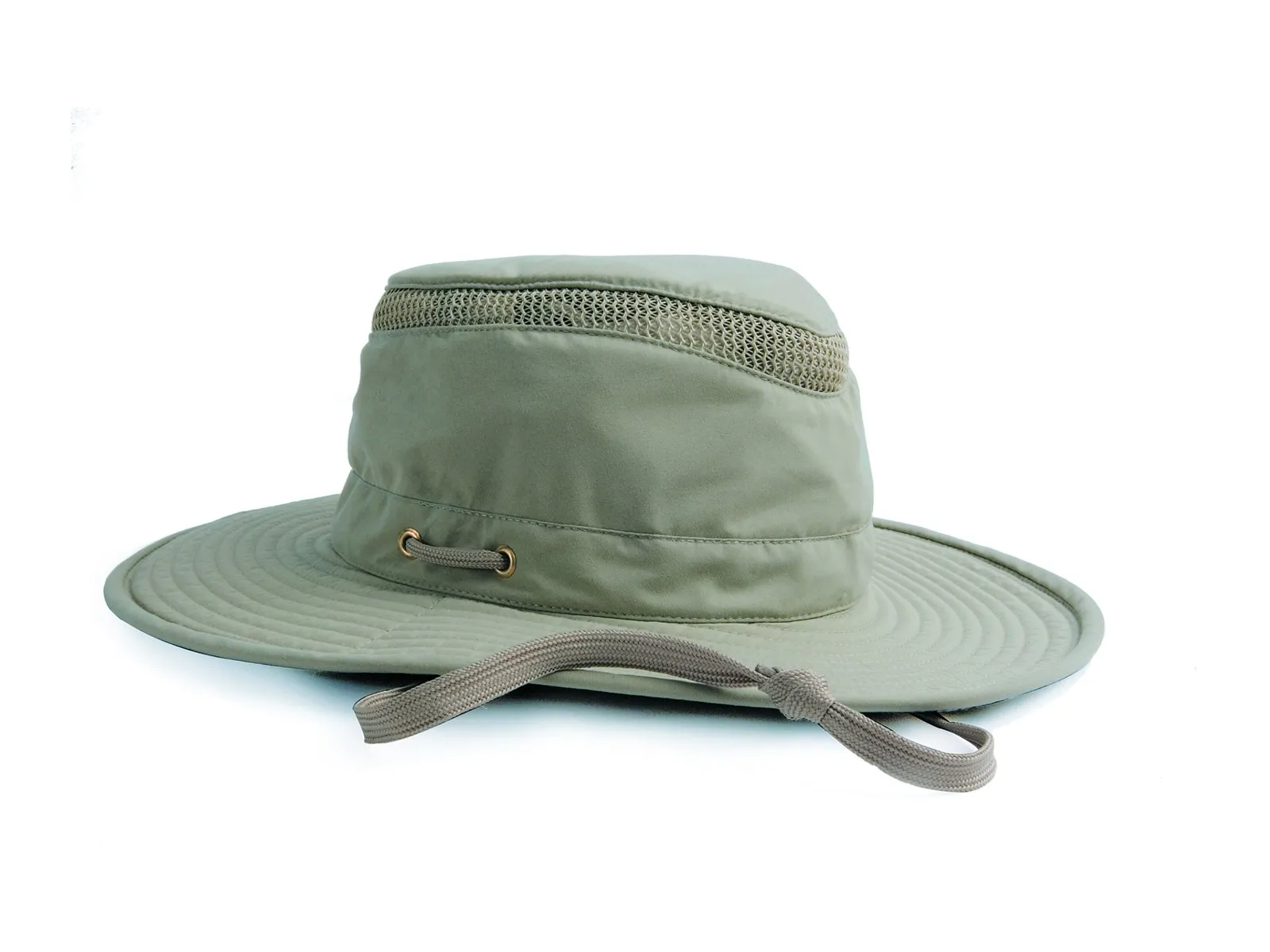
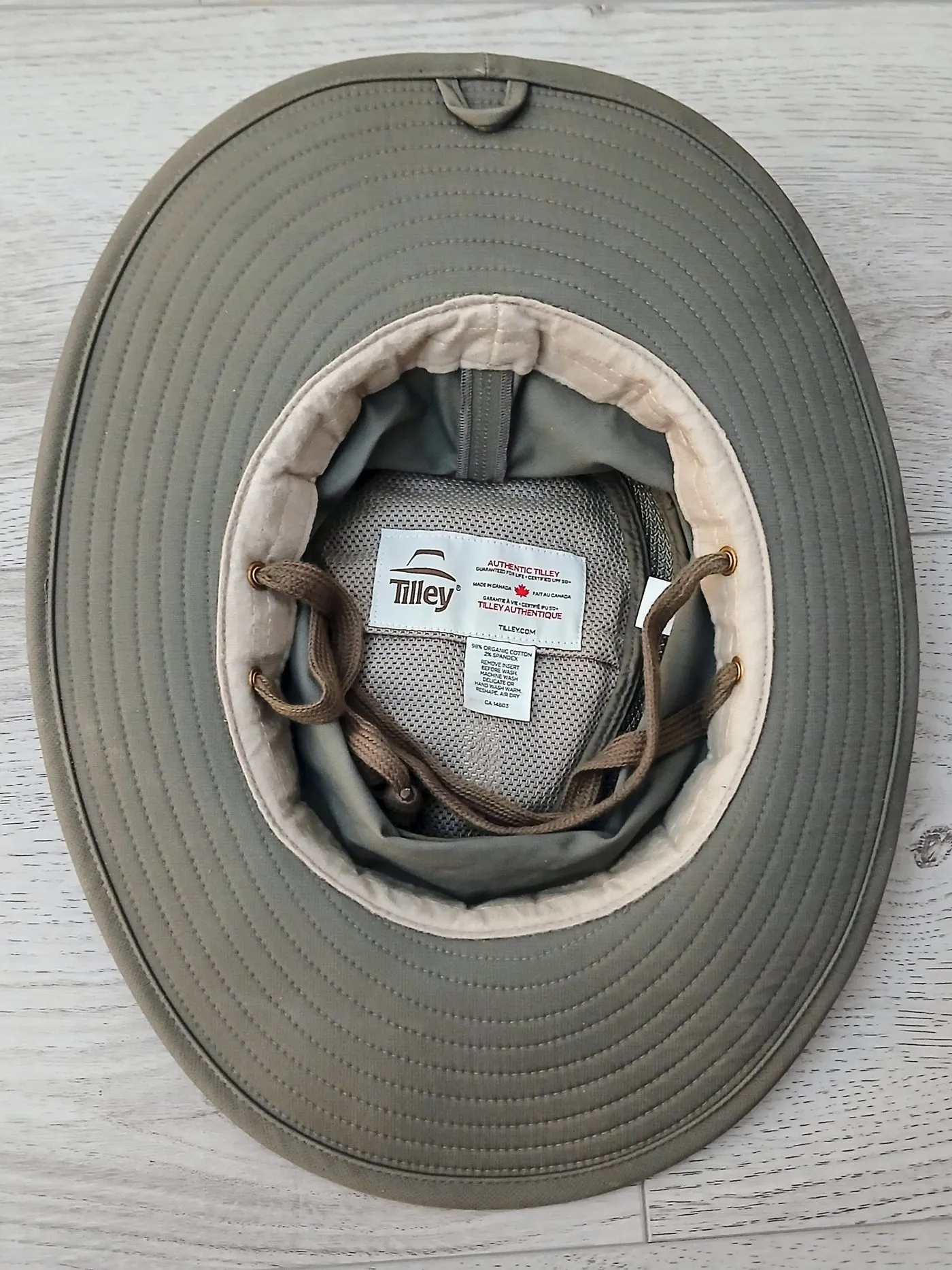
What came back was a hat of preshrunk cotton duck with British brass grommets, a cord for the chin, another for the back of the head, a pocket hidden in the crown and a layer of foam so that it floats. He called it the T1.

An elephant named Sampson
He sold it by mail from the basement of his house in Don Mills, with small advertisements in sailing magazines, newspapers and The New Yorker. When the orders outgrew the basement they moved into a neighbour’s. His brother John ran the West Coast from North Vancouver. At boat shows the booth had an aquarium with a hat floating in it.
Each hat came with a four-page owner’s manual. The washing instructions told you to be rough with it.
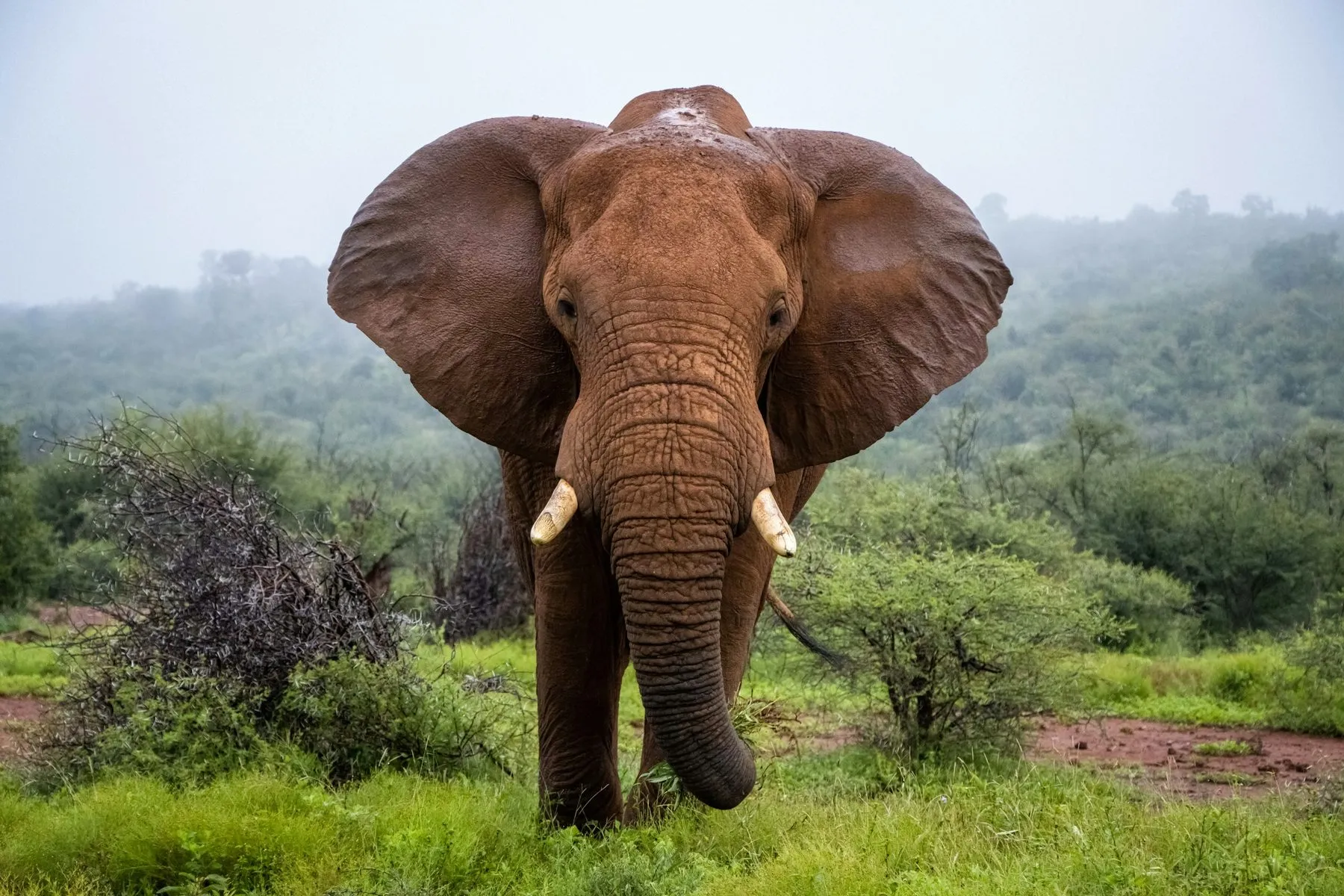
Then there was the elephant. An animal trainer wrote to say that an elephant named Sampson had eaten his Tilley. The company put it in an advertisement. “Time would pass,” it said, “and the hat would too.” The trainer washed it and wore it again. Sampson went on to eat it twice more.
Customers took over from there. Canadian soldiers were issued the hat in the Gulf War. Sir Edmund Hillary wore one. Pierre Trudeau had one. Tilley travelled to more than fifty countries and claimed to have seen his hats in every port, Antarctica excepted.
The trainer washed it and wore it again. Sampson went on to eat it twice more.
Guaranteed for life, with conditions
The original promise was simple. If the hat wore out, he replaced it. If you lost it within two years, you got a new one for half price.
The guarantee still says for life, and it now comes with small print. It covers normal wear and tear, poor workmanship and faulty material. It does not cover fading, shrinking, stains, frayed cords or tarnished grommets. You have to register the hat within 60 days of buying it, and a replacement carries a handling fee. The half-price deal for lost hats is no longer on the guarantee page.
The company has changed hands too. Tilley put it up for sale in 2015, at 77, by placing advertisements in the newspapers, which is how he did everything. The Canadian arm of a British investment firm bought it. In 2020 Joe Mimran, who founded Joe Fresh, and his partner Frank Rocchetti took majority control.
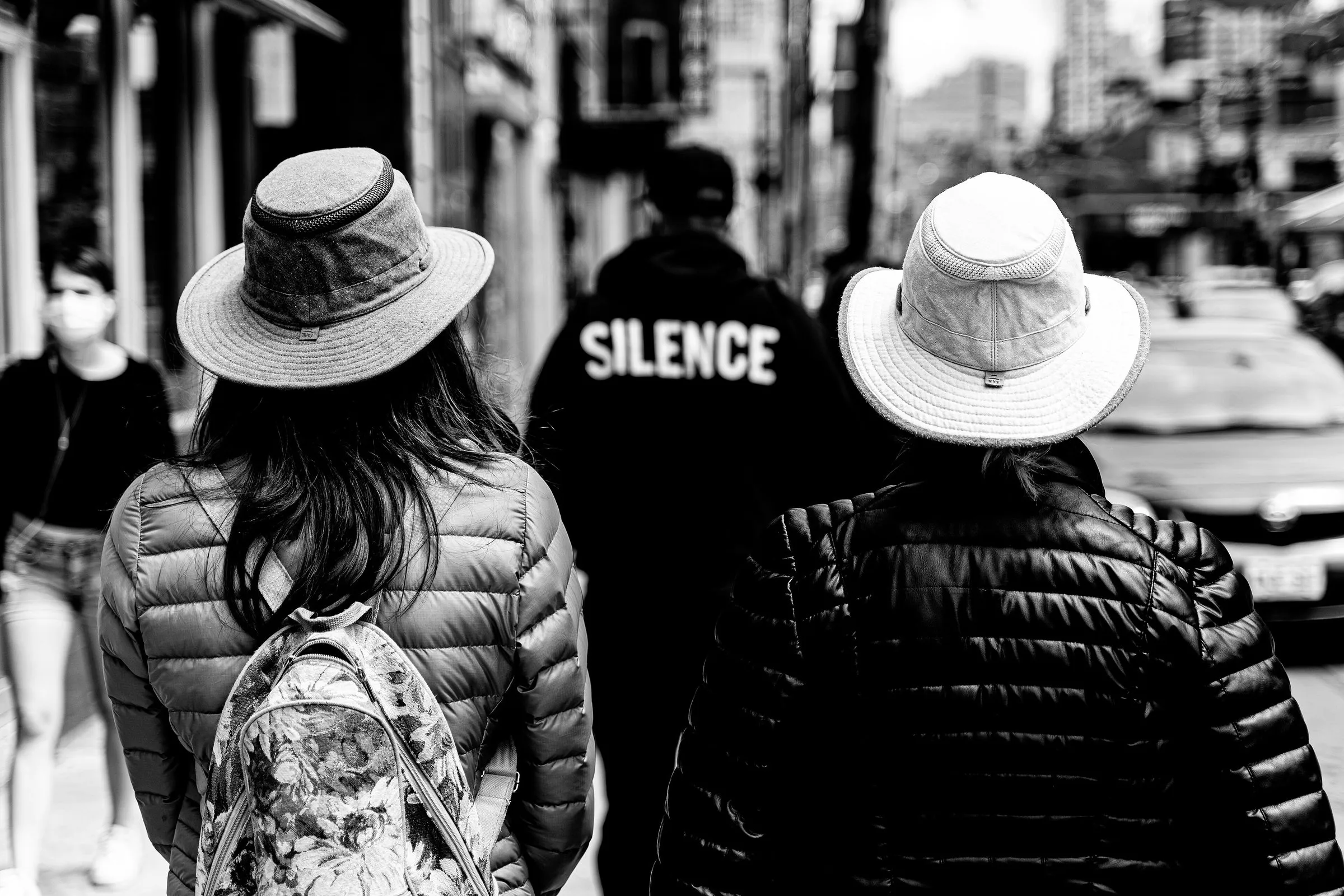
They added colours, corduroy and a shop on Ossington Avenue, and sales roughly doubled. As of 2023 many hats were still made at the plant in Toronto, with others coming from China, Portugal, Italy and Japan. The Canadian site keeps a Made in Canada collection, which held thirteen hats when we looked. The LTM6 Airflo, the mesh-topped best seller, was not among them.
A better hat
Alex Tilley died on October 28, 2025, in Muskoka, Ontario. He was 87. He had asked to be remembered as a good man who made a better hat.
His house there had a sunroom with a cedar-shake roof built in the shape of one, with vents where the grommets go.
The hat itself has barely changed. It still has the pocket and the two cords. It still comes in proper hat sizes, which means measuring your head, an activity most people last performed for a school play.
Whether it is worth a hundred dollars depends on how you feel about hats. As hats go it is plain, wide and unbothered by fashion, and it tends to outlast the holiday it was bought for by a few decades.
It floats. That was the whole idea.
The 2026 price list
From Tilley’s Canadian shop, in Canadian dollars.
Cotton and hemp
T3 Wanderer$99
Cotton duck, medium brim. The shape most people picture. Made in Canada.
T1 bucket hat$109
The 1980 original, more or less. Made in Canada.
T5 Adventure, in hemp$109
Made in Canada.
LTM5 Winterized$149
The same idea, lined for the cold. Made in Canada.
Airflo, with the mesh
LTM6 Airflo sun hat$99
Recycled nylon, broad brim. The best seller.
T4MO-1 Airflo hikers’ hat$120
A replacement under the guarantee carries a handling fee.
Prices checked on October 2, 2026. Sales come and go.
If you buy one
- Which one
- The cotton duck hats are closest to the 1980 original. The Airflo is lighter and has a mesh band for hot days.
- Size
- They come in hat sizes, not small, medium and large. Measure your head and use their chart. It is meant to sit loosely. The cords do the holding.
- Register it
- The guarantee needs the hat registered within 60 days, with proof of where you bought it.
- Washing
- Check the label inside first. Never bleach it. Bleach voids the guarantee.
- Where
- Tilley’s own site, its shop on Ossington Avenue in Toronto, or one of about 3,000 retailers in Canada, the United States, Britain and Australia.