MeetThingsWeather
Storm season · Tofino, British Columbia
Tofino sells its worst weather
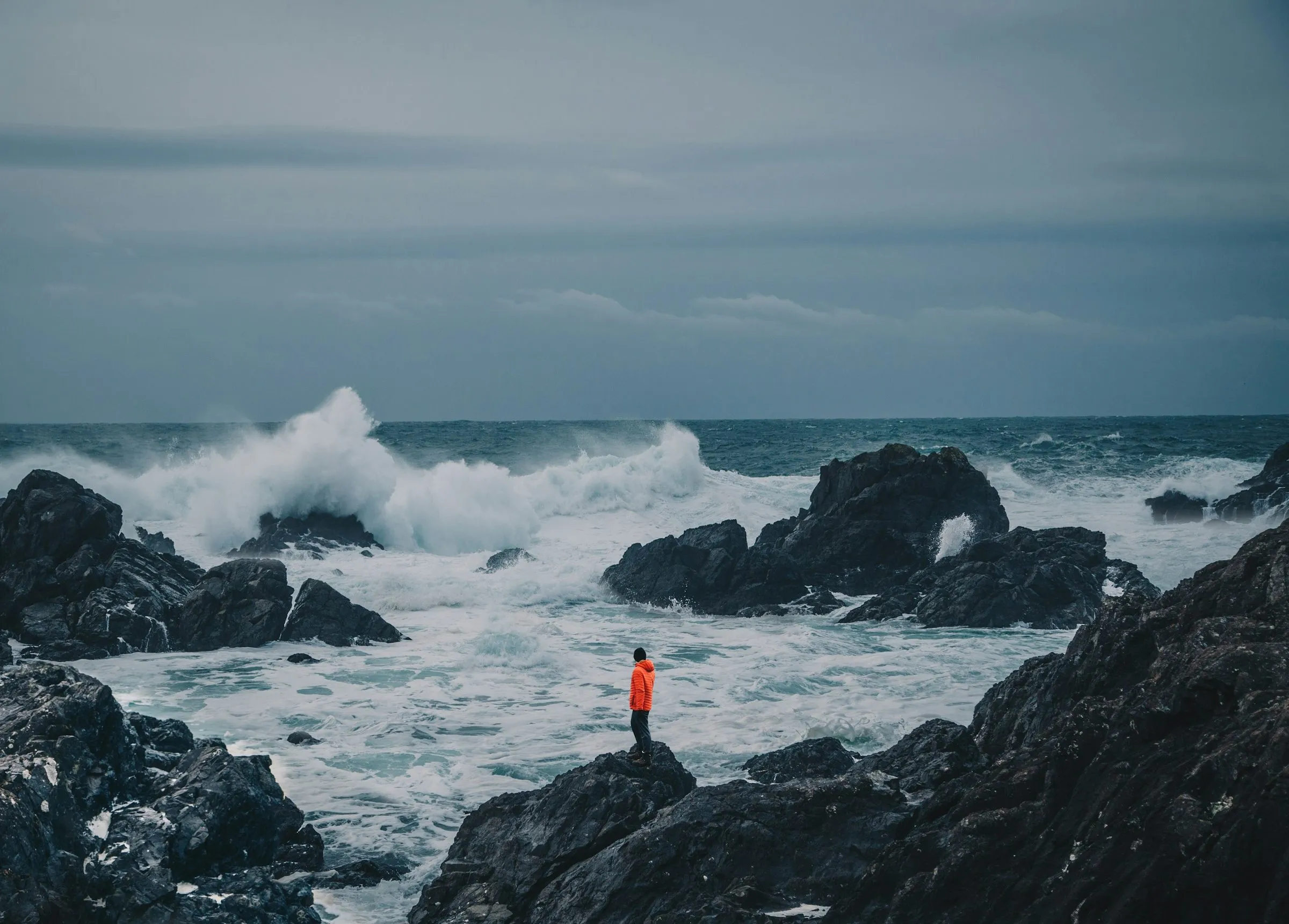
In November it rains half a metre and the sea comes over the rocks. In 1996 a doctor’s family built an inn on those rocks, put raincoats in the rooms and called it storm season. The winters have been busy ever since.
- Where
- Tofino, British Columbia
- The season
- November to February
- Rain
- 3,270 mm a year
- November alone
- 492 mm
- People
- 2,516
- From Nanaimo
- Three hours by road
A hotel built for bad weather
Tofino is a town of 2,516 people at the end of a road on the west coast of Vancouver Island. There is nothing between its beaches and Japan except 7,400 kilometres of open water, and from November to February that water arrives with some force.
For most of the town’s history this was the off-season, and most of its beds sat empty.
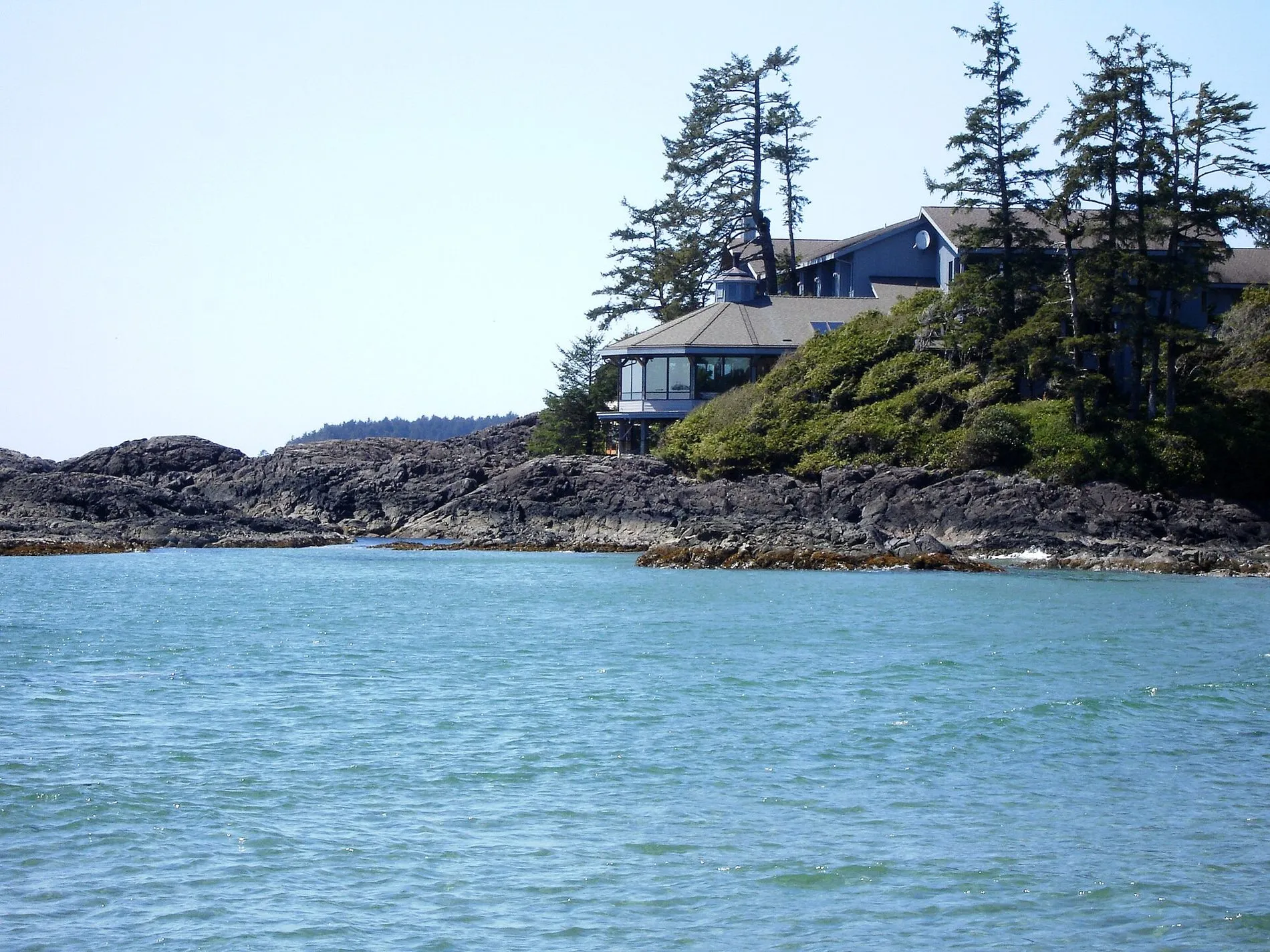
Then, in August 1996, the McDiarmid family opened the Wickaninnish Inn on a spit of rock at the north end of Chesterman Beach. Howard McDiarmid had come in the 1950s as the town’s doctor, sat in the legislature and helped get Pacific Rim National Park created. He and his sons built the inn facing straight into the weather, gave it large windows, and sold the winter as something to come and see.
Locals had always watched the storms. The Tla-o-qui-aht, whose territory this is, had been watching them for a few thousand years. It had not occurred to anyone that you could charge.
The inn puts rain gear in every room and lends out rubber boots. In its first winters about a third of the rooms were taken. Later it was nearer two-thirds, in months the hotels on this coast used to write off. Other lodges followed, and the shore from here to Port Renfrew now sells the same weather.
Locals had always watched the storms. It had not occurred to anyone that you could charge.
What you are buying
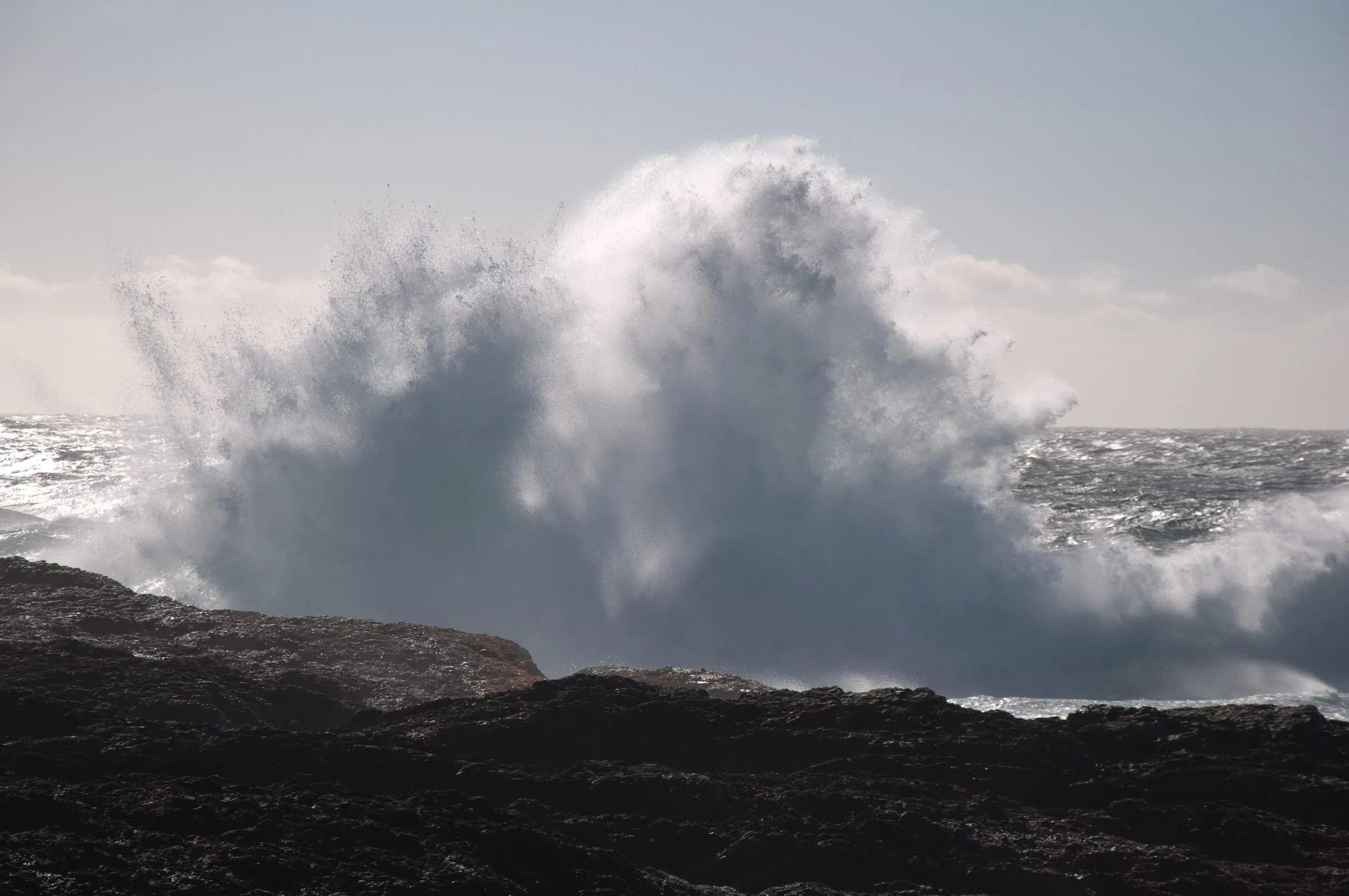
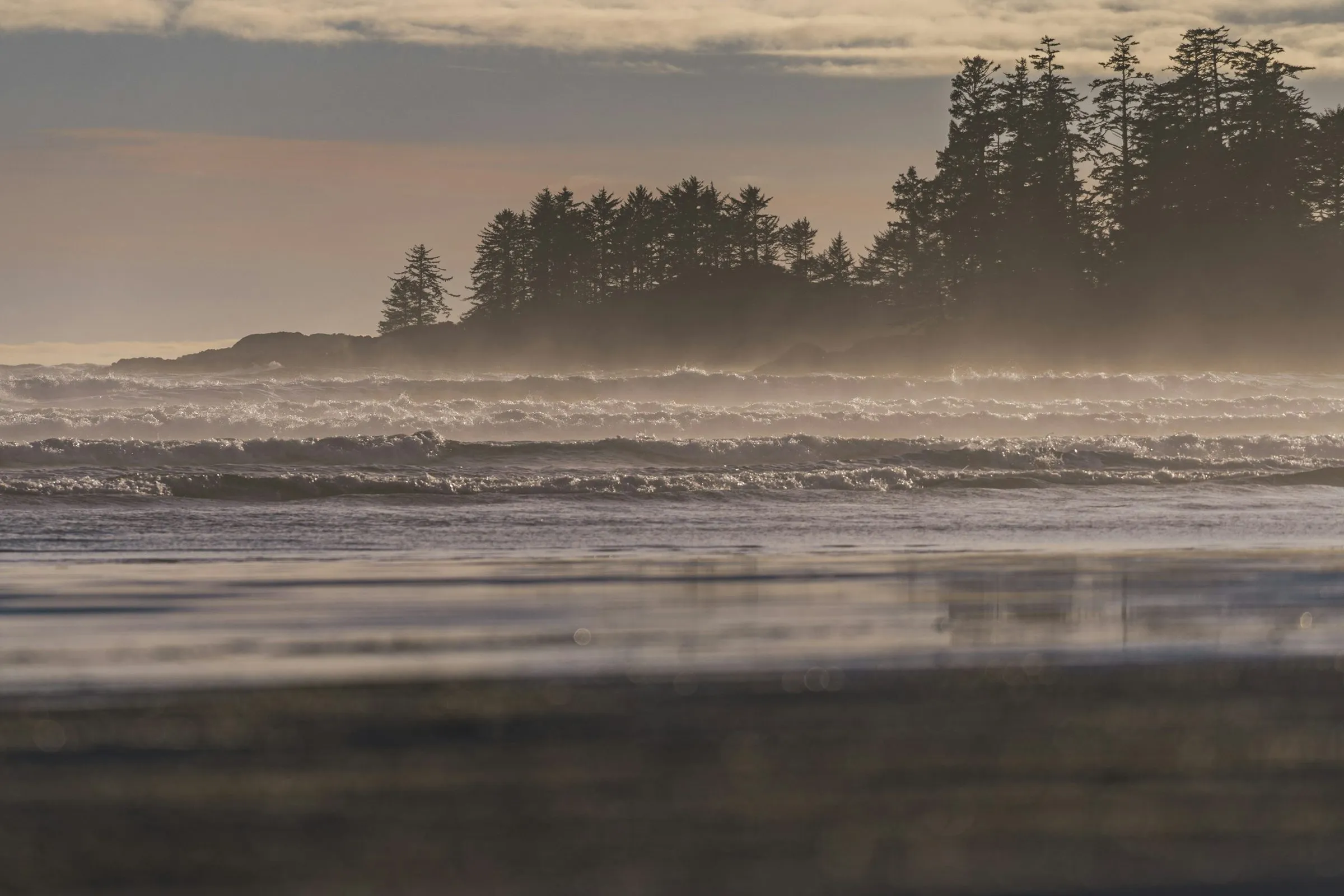
A storm, mostly. The season runs from the start of November to the end of February, and in that time fifteen or twenty big systems come in off the Pacific. The good ones bring waves of six metres or more and winds of 100 kilometres an hour.
Between storms it simply rains. Tofino gets about 3,270 millimetres a year. November alone brings 492, which is more than Saskatoon gets in twelve months.
What you do about it is the product. You stand at a window with a drink. Or you put on the hotel’s raincoat, walk to the end of the beach and get rained on sideways while the sea rearranges the driftwood. Then you come back in and feel you have achieved something. Both are sold as storm watching, and both work.
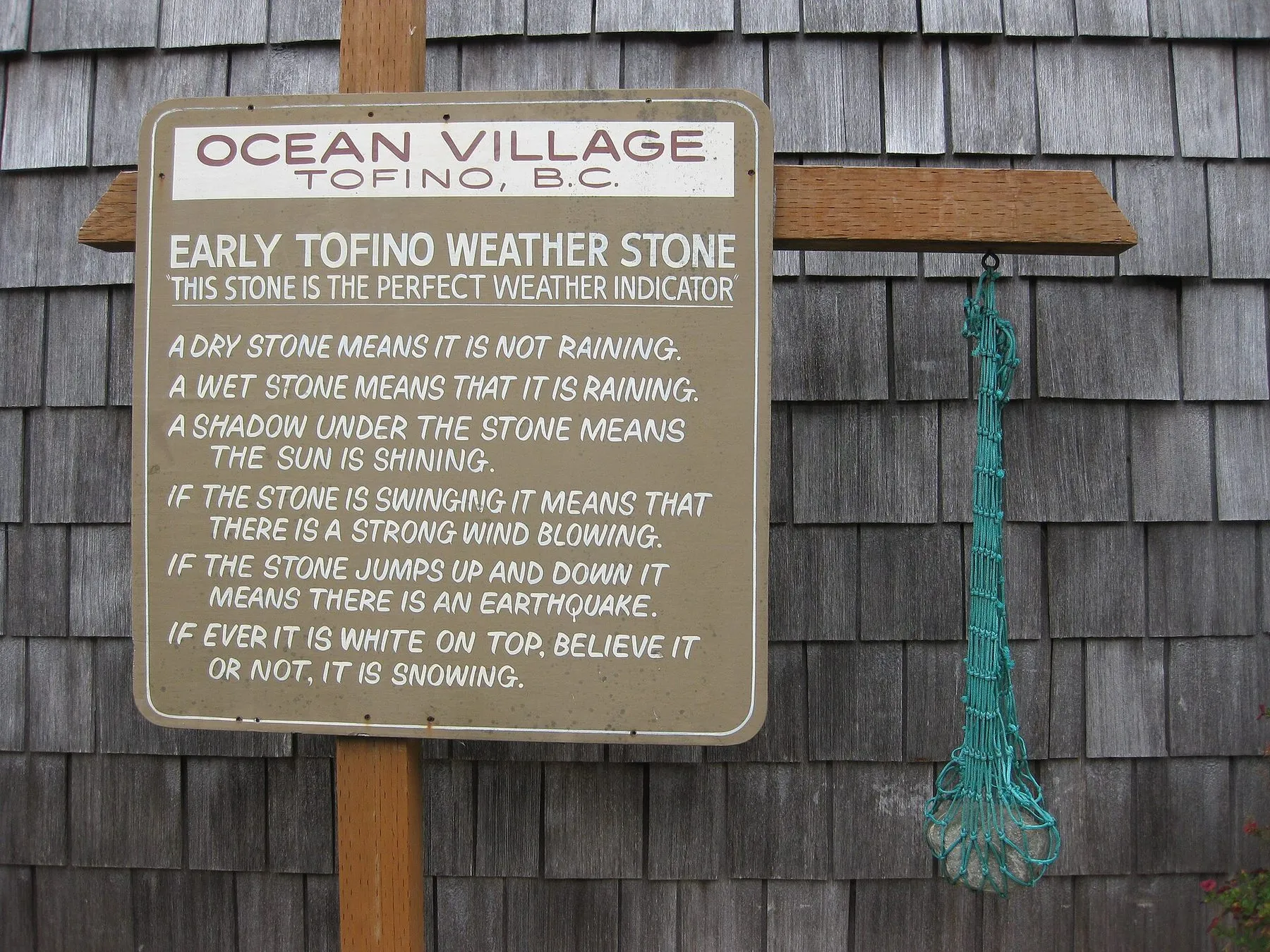
There is a sign in town that handles the forecast. A stone hangs from it on a string. If the stone is wet, it is raining. If it is swinging, it is windy. If it is white on top, it is snowing. Meteorology has not improved on this.
November alone brings 492 millimetres of rain, which is more than Saskatoon gets in a year.
The end of the road
The road to Tofino was built in 1959 as a logging track, and it was not fully paved until 1972. It is still the only one. It crosses the island from Port Alberni through the mountains, and when it shuts, for a slide or a fire, the town might as well be an island.
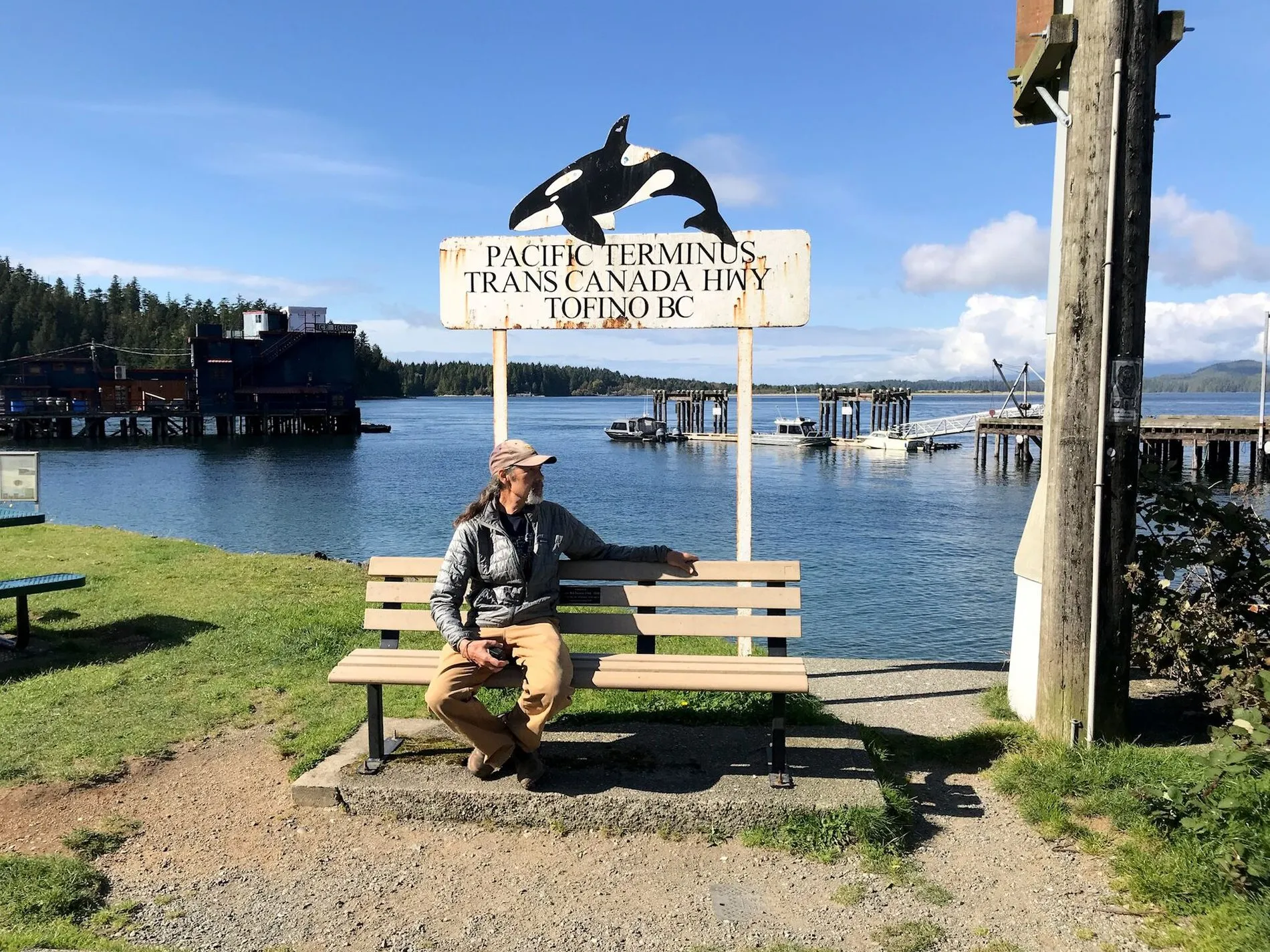
At the bottom of First Street there is a sign that says this is the Pacific terminus of the Trans-Canada Highway. It is not. The Trans-Canada ends in Victoria. Tofino put the sign up while it was lobbying for a road, and never took it down.
About 600,000 people now visit every year, nearly all of them in summer, and the town has 2,516 residents. In August 2006 the reservoir ran so low that the town told its hotels and restaurants to close for the Labour Day weekend. This is a rainforest that gets more than three metres of rain a year. Very little of it falls in August.
That is the other reason the town sells its winter. In July it has more visitors than water. In November it has more water than anybody could want, and rooms to spare.
In 2006 a town in a rainforest ran short of water.
Watching for nothing
The storm itself is free. The waves do not check where you are staying.
The best free seats are at the north end of Chesterman Beach, at Cox Bay, and in Pacific Rim National Park. The first Wickaninnish Inn, an older and plainer one, took guests on the beach there until 1977. The building is now a visitor centre with a deck over the surf. A day in the park costs $12.25, or $10.75 if you are 65 or over.
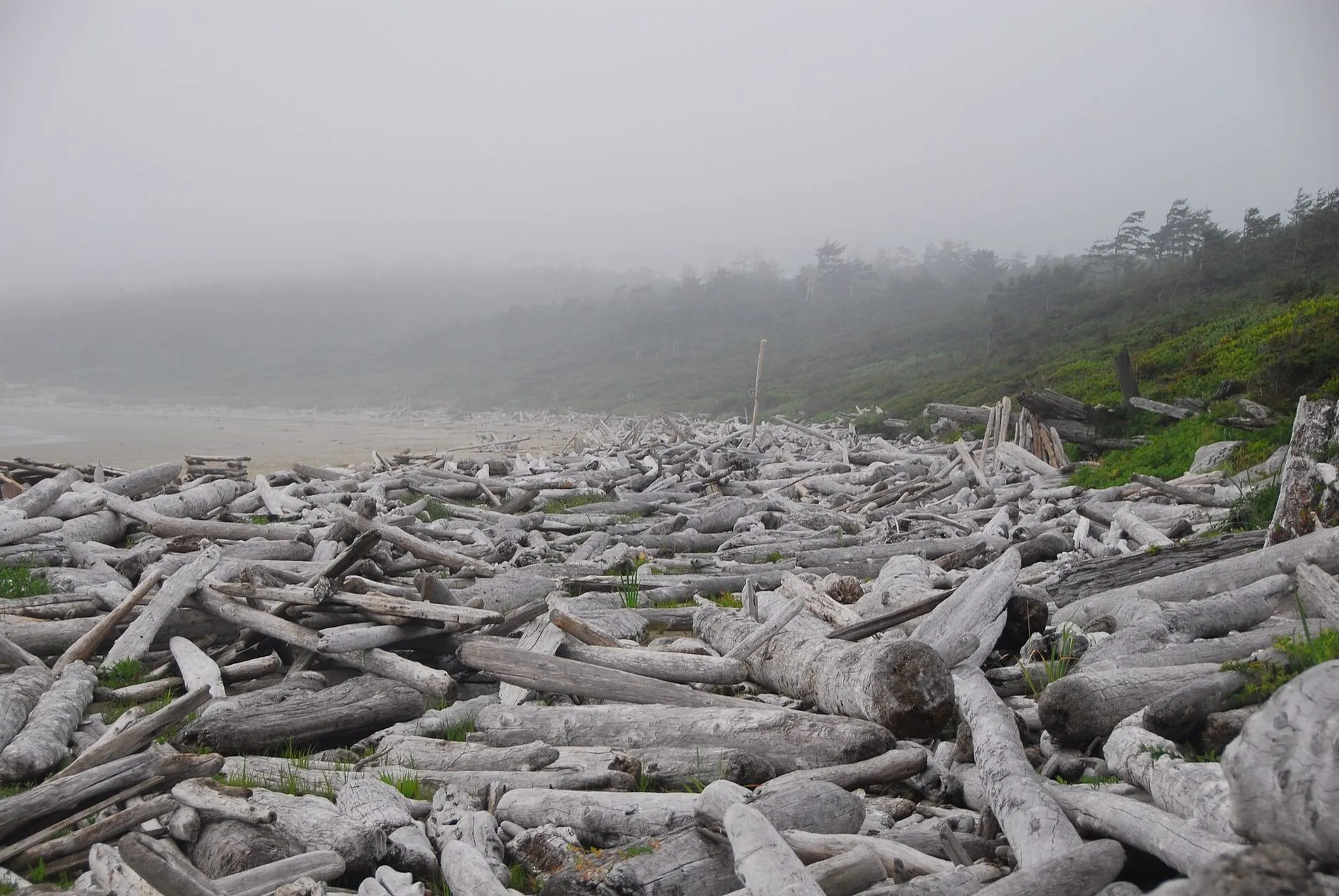
The rules are few and they matter. Stay off the rocks. Stay off the logs, which weigh as much as a car and float when a wave gets under them. Do not turn your back on the water. The local safety campaign exists because people have been knocked off these rocks by waves they did not see coming.
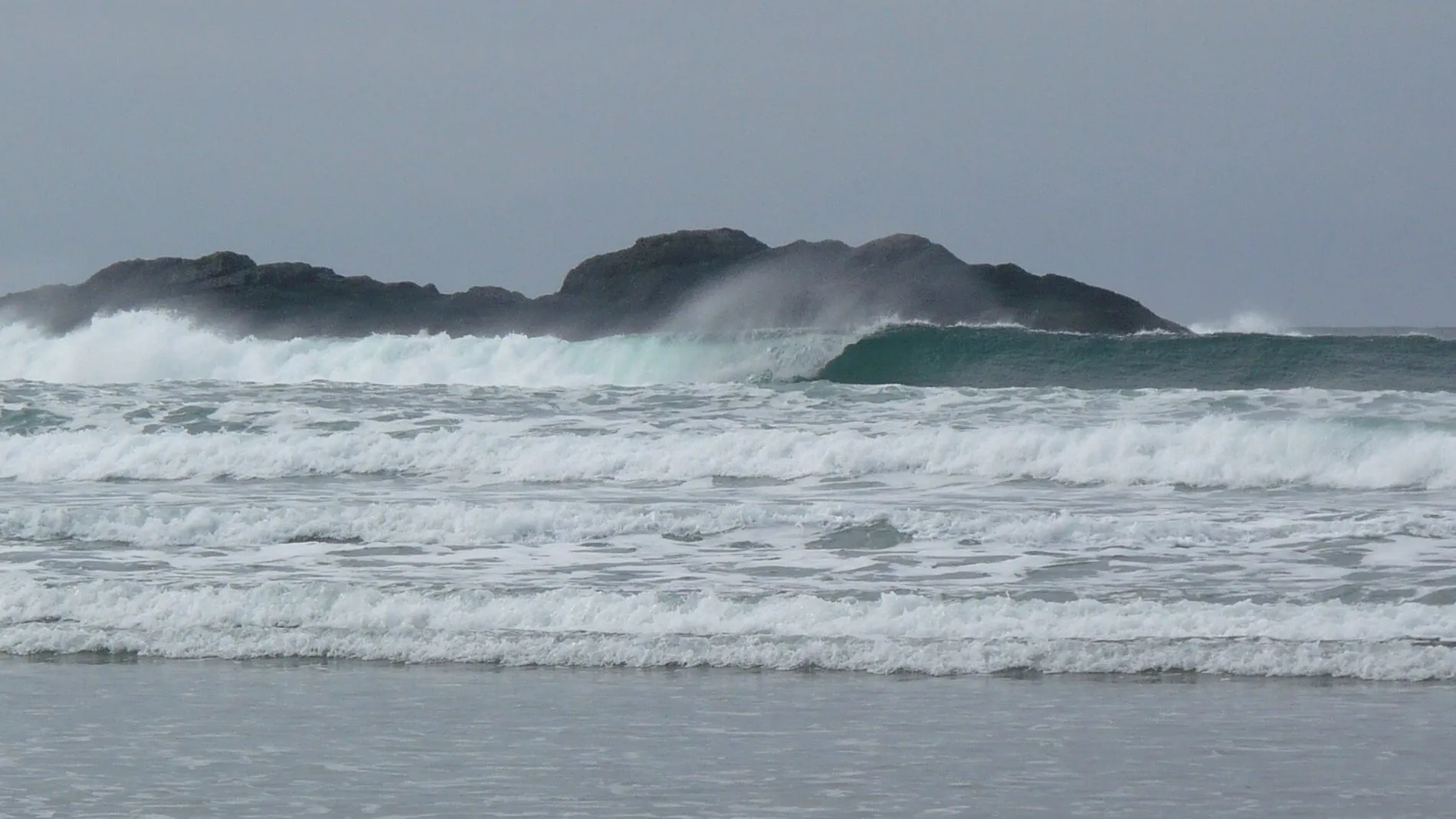
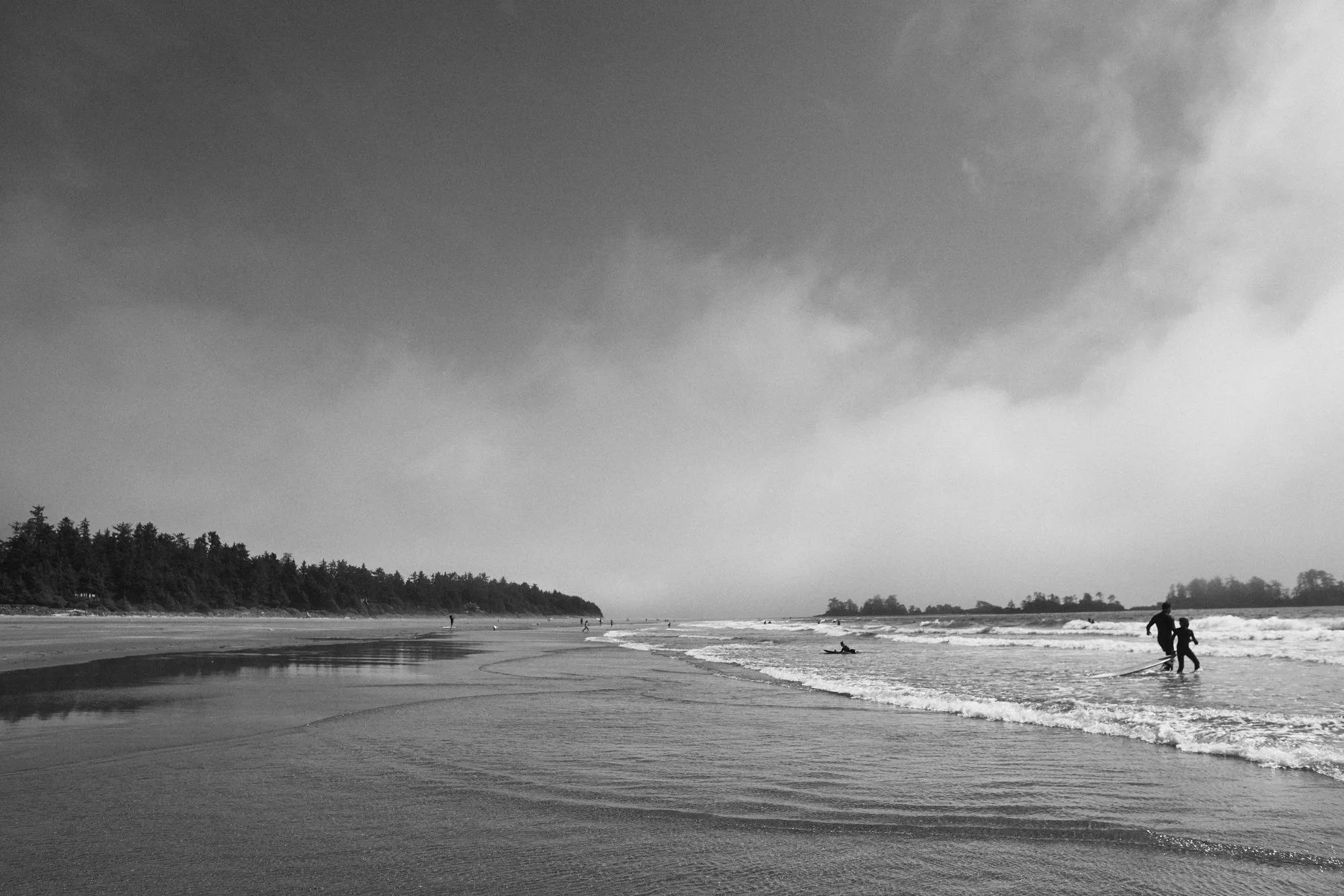
And then there are the surfers, who go out in it in January, in thick wetsuits, on purpose. Nobody has adequately explained this.
The waves do not check where you are staying.
The catch
It costs money. The Wickaninnish Inn’s storm watchers package for this winter is three nights for two, with brunch, two oilskin hats and a book about nature, and it starts at $2,937 before tax. That is about $980 a night to be rained on.
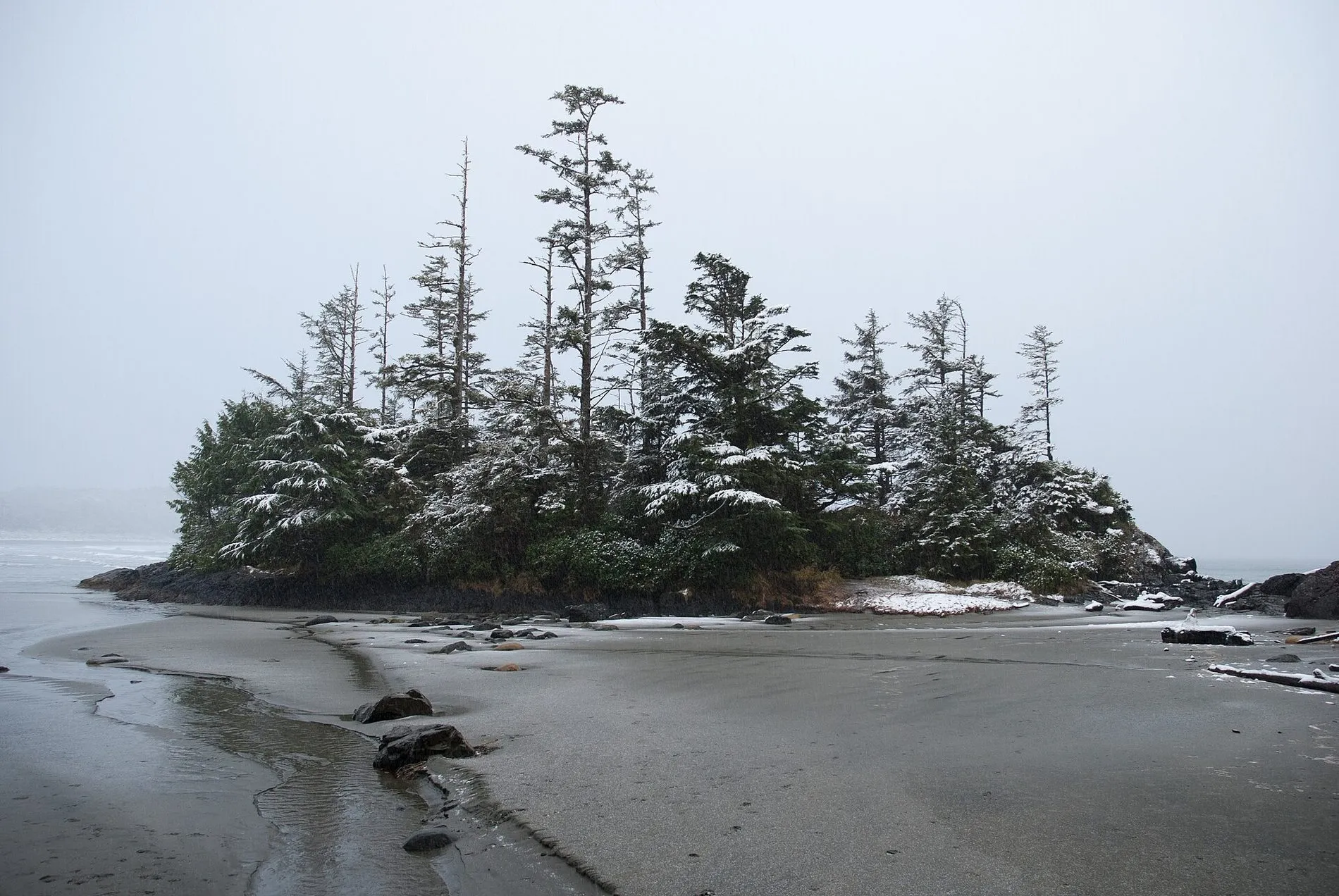
It may not storm. The weather does not read brochures. You can fly in for a long weekend in January and get three days of flat grey calm, which is restful, and not what you paid for.
And the inn that invented storm season shuts for part of it. This winter it closes on January 2 and opens again on February 12, for its annual break. The storms carry on without it.
None of this has put anybody off. A town that could not fill its beds in winter worked out that its worst feature was the one thing nobody else had. It rains half a metre in November. They put that on the website.
A storm, priced
In Canadian dollars, before tax.
At the Wickaninnish Inn
The storm watchers packageFrom $2,937
Three nights for two in a deluxe room, with brunch, two oilskin hats, wine and cheese.
The same, in a suiteFrom $3,837
Offered from November 1, 2026 to March 31, 2027, except over Christmas and New Year and while the inn is shut from January 2 to February 12.
Doing it yourself
Pacific Rim National Park, for the day$12.25
Adult. Anyone 17 or under gets in free.
The same, aged 65 and over$10.75
The beaches in townFree
Chesterman Beach and Cox Bay. Read the signs before you park.
Prices are from the Wickaninnish Inn and Parks Canada, checked on October 2, 2026.
If you go
- Getting there
- Three hours’ drive from the ferry at Nanaimo, on Highway 4 through Port Alberni. It is the only road, and now and then it closes. Pacific Coastal flies from Vancouver’s South Terminal in under an hour.
- When
- Storms are most reliable from the start of November to the end of February. Check that the place you want is open. The Wickaninnish Inn shuts from January 2 to February 12.
- Where to watch
- The north end of Chesterman Beach, Cox Bay, and the deck of the Kwisitis Visitor Centre at Wickaninnish Beach, in the national park.
- Staying safe
- Read the CoastSmart advice before you go. Stay off the rocks and the logs, and keep your eyes on the water.
- Bring
- Waterproofs, a change of clothes and a plan for the day when nothing happens.