MeetPeopleInnkeeper
Zita Cobb · Fogo Island, Newfoundland
Her father burned his boat. She built an inn.
Zita Cobb left Fogo Island at sixteen, made a fortune in fibre optics and came home to an island that was running out of reasons to stay. The inn she built costs about $2,500 a night, and none of the profit is hers.

- Grew up
- Joe Batt’s Arm, Fogo Island
- Left
- 1975, aged sixteen
- Made
- US$69 million, in fibre optics
- Came home
- 2006, with a charity
- The inn
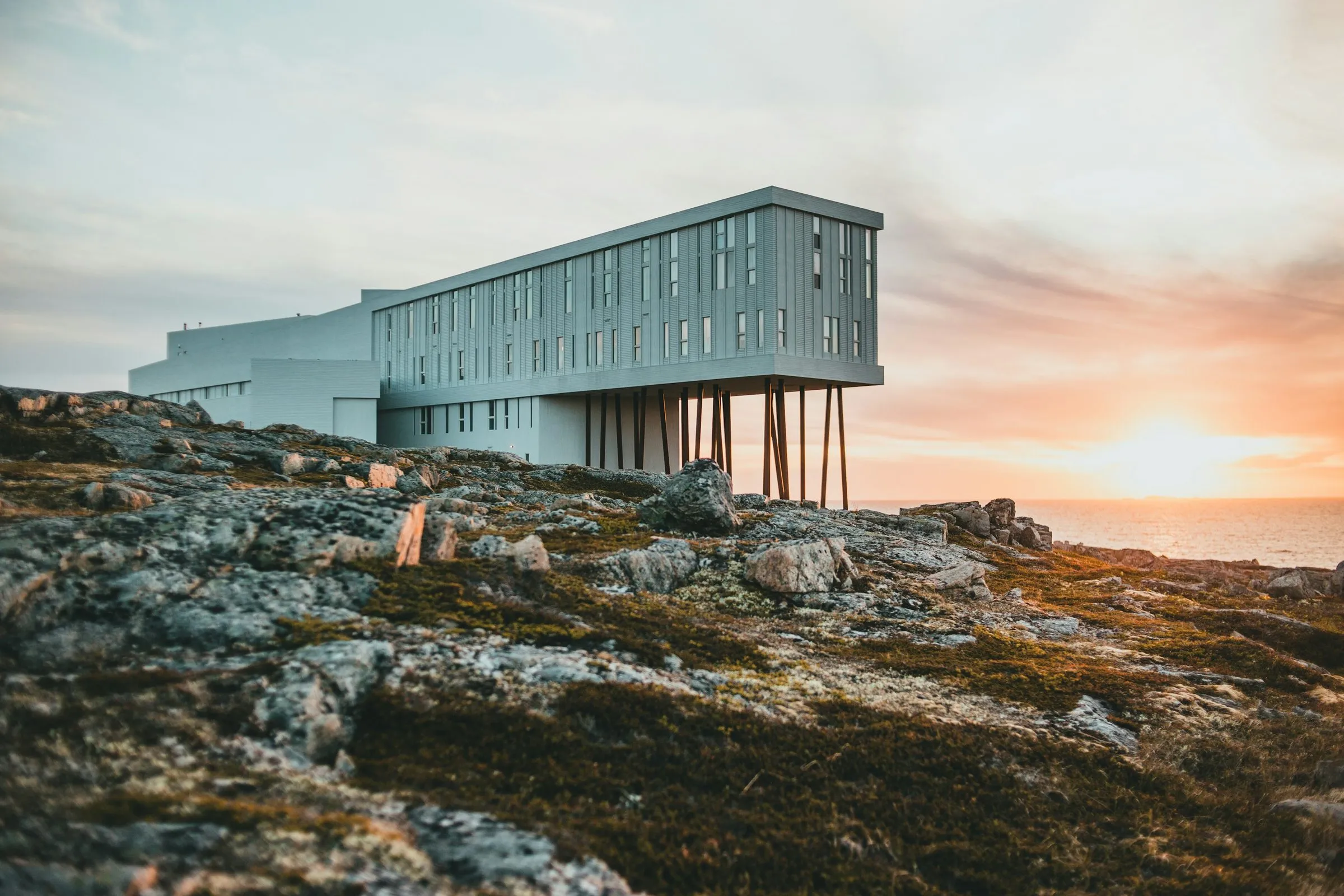
- 29 rooms, on stilts
The boat
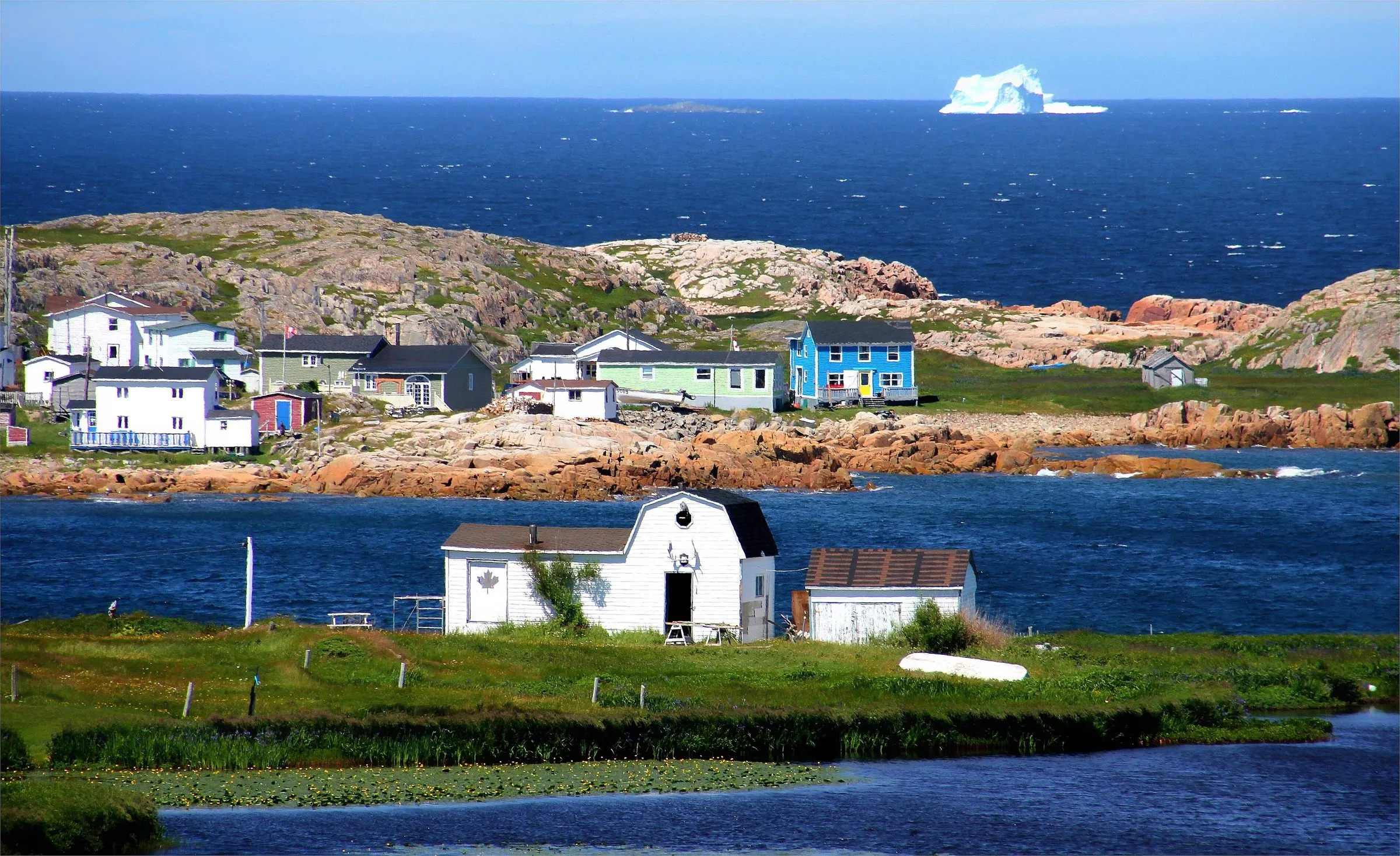
Zita Cobb grew up in Joe Batt’s Arm, on Fogo Island, off the northeast coast of Newfoundland. The house had no electricity and no running water. Her parents could not read or write. She was one of seven children and the only girl, and at six she spent a year in a sanatorium with tuberculosis.
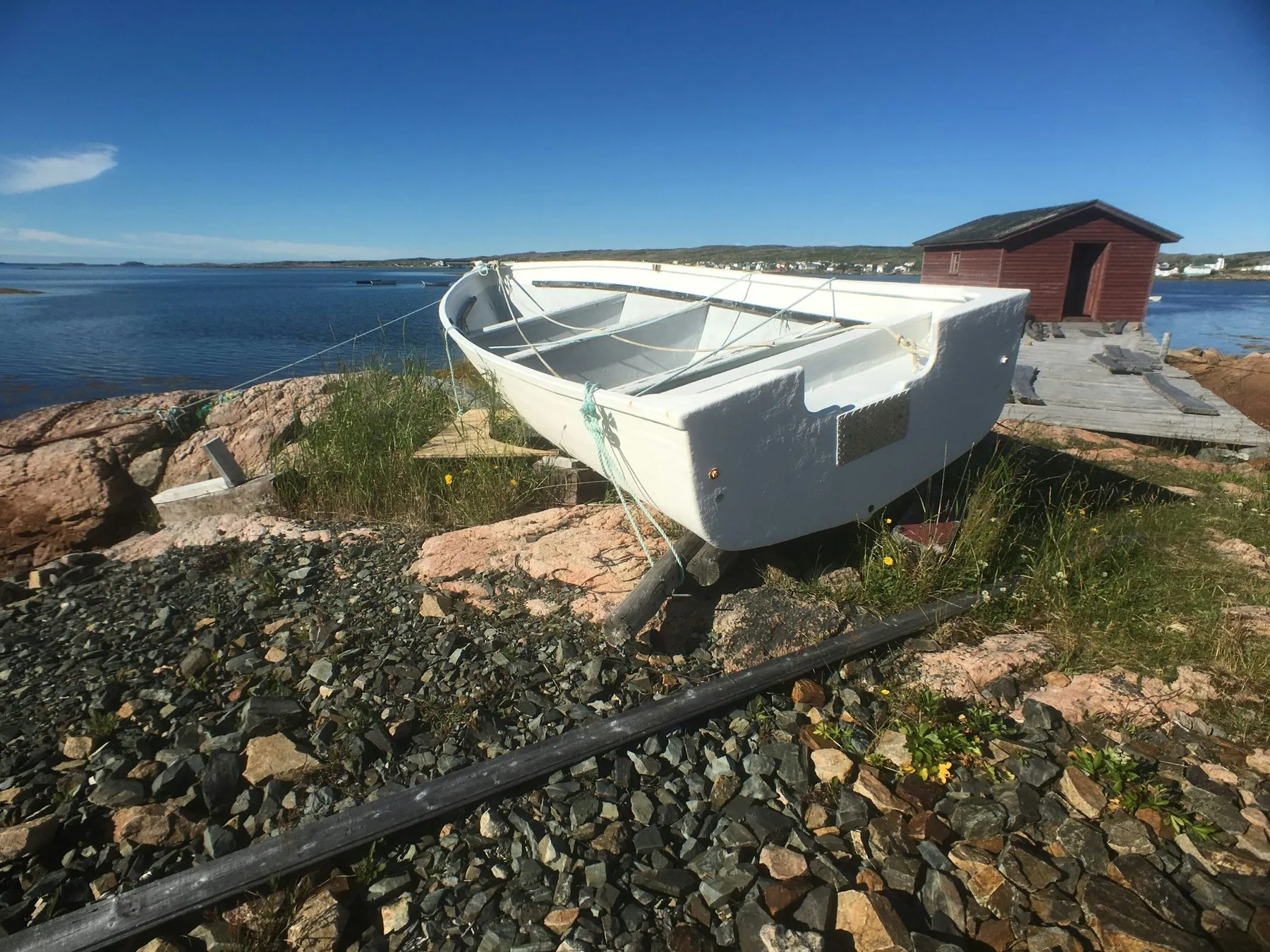
Her father, Lambert, fished cod from a small wooden boat. He was the seventh generation of his family to do it. Then the factory trawlers arrived offshore and fished day and night until there was very little left to catch.
One day, as she told 60 Minutes in 2021, he came home with a single fish, dropped it on the kitchen floor and said it was done. The next day he burned his boat.
She was ten. He told her she had to figure out “how this money thing works”, because otherwise it was going to eat everything they loved.
This is an unusual way to be sent to business school. It worked.
She was ten. This is an unusual way to be sent to business school.
The money thing
She left the island at sixteen, in 1975, and studied business at Carleton University in Ottawa. She worked for oil companies in Alberta, then joined a fibre-optics firm called JDS Fitel and spent ten years there, ending as chief financial officer. In 1999, at the height of the technology boom, it merged with an American company to become JDS Uniphase.
In 2001 she exercised stock options worth about 69 million U.S. dollars and left. She was 43. 60 Minutes describes her as having been the third-highest-paid female executive in America. She spent the next four years sailing around the world.
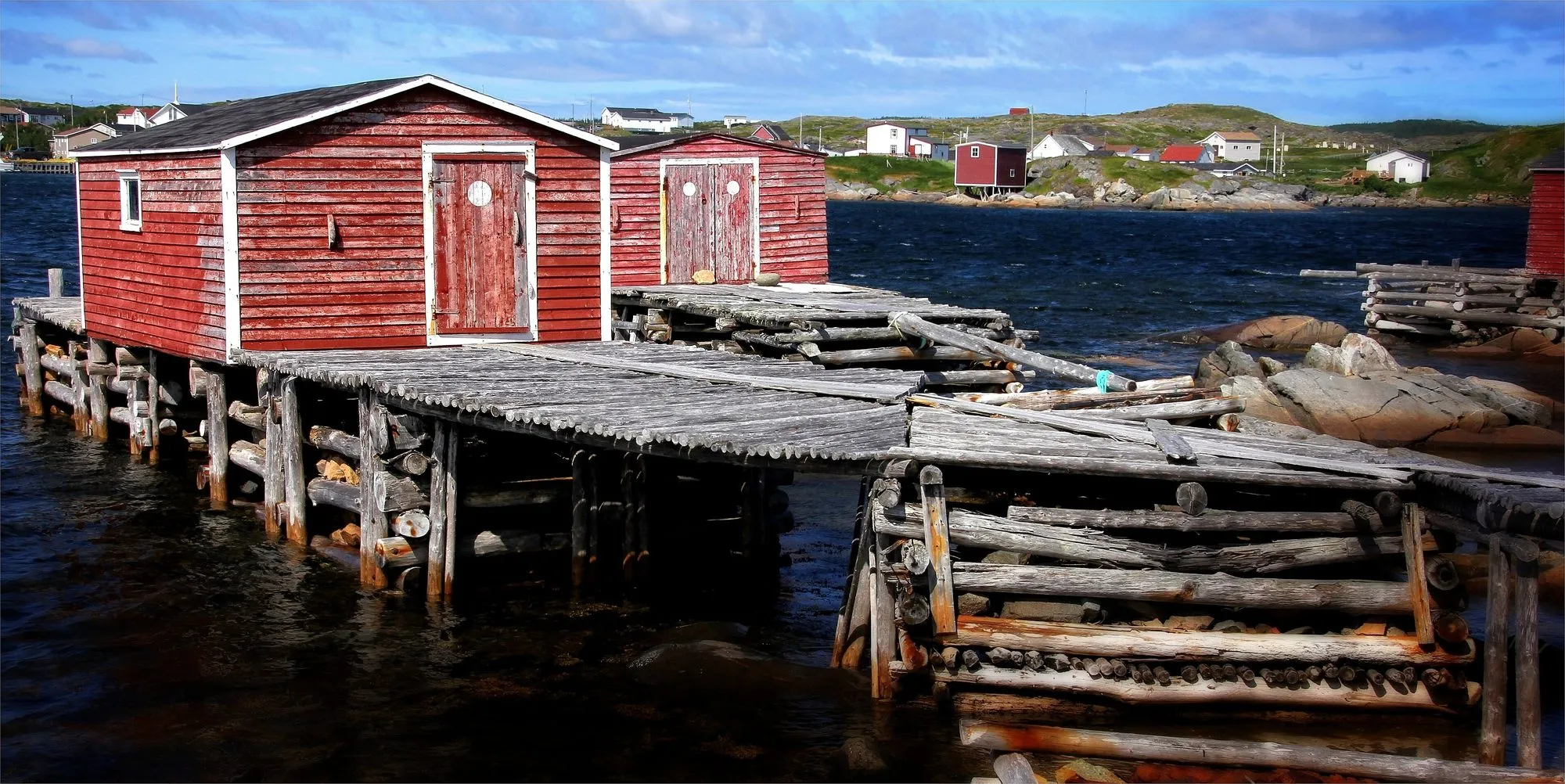
Then she went home. The cod fishery had been closed since 1992 and the island was emptying. In 2006 she and her brothers Alan and Anthony set up Shorefast, a registered charity, to see what could be done about it. A shorefast is the line that ties a cod trap to the shore.
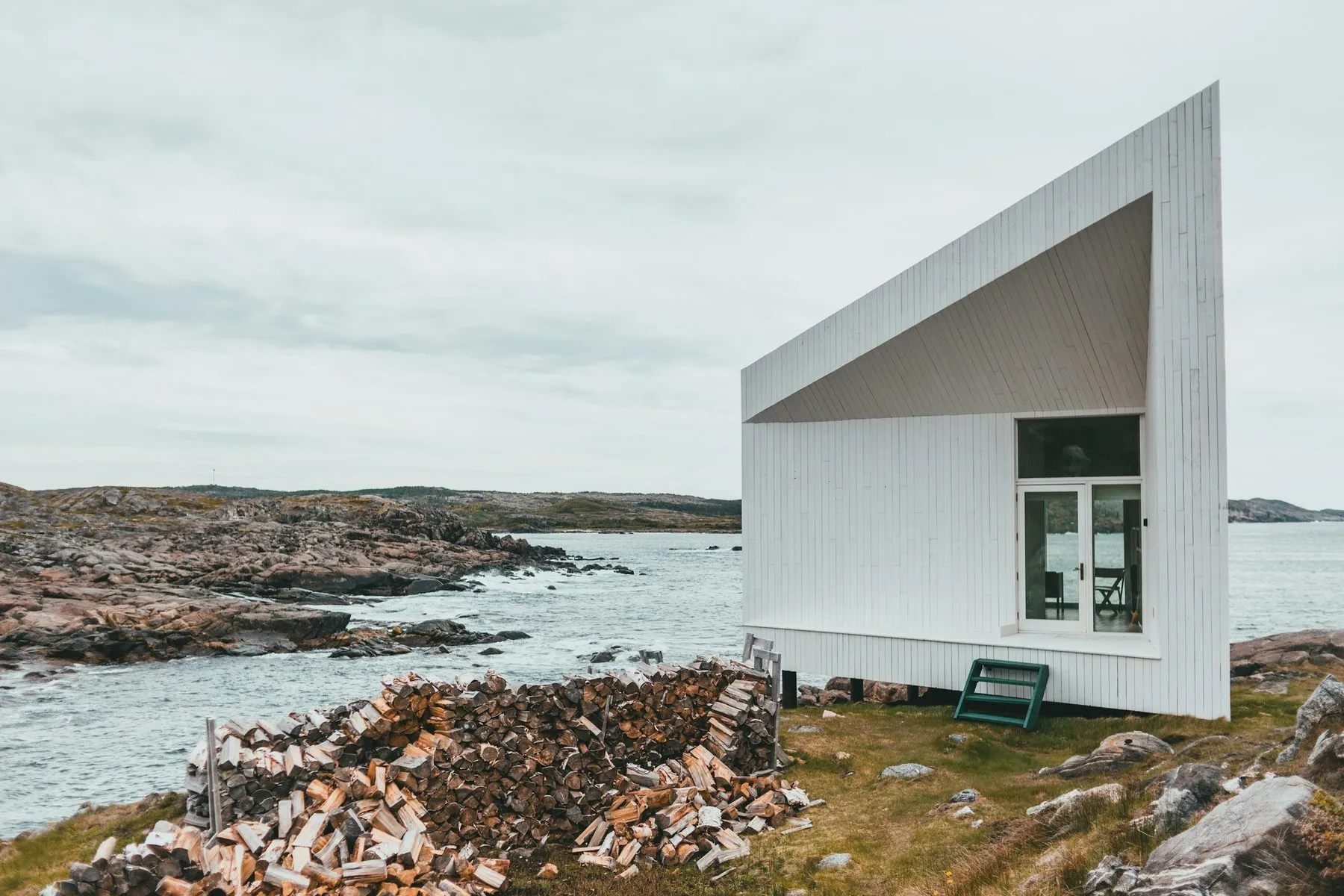
They began with art. Fogo Island Arts started in 2008, and four studios designed by Todd Saunders went up on the rocks for visiting artists. Saunders was born in Gander and works in Norway. The studios look as if they have just landed.
An inn on stilts
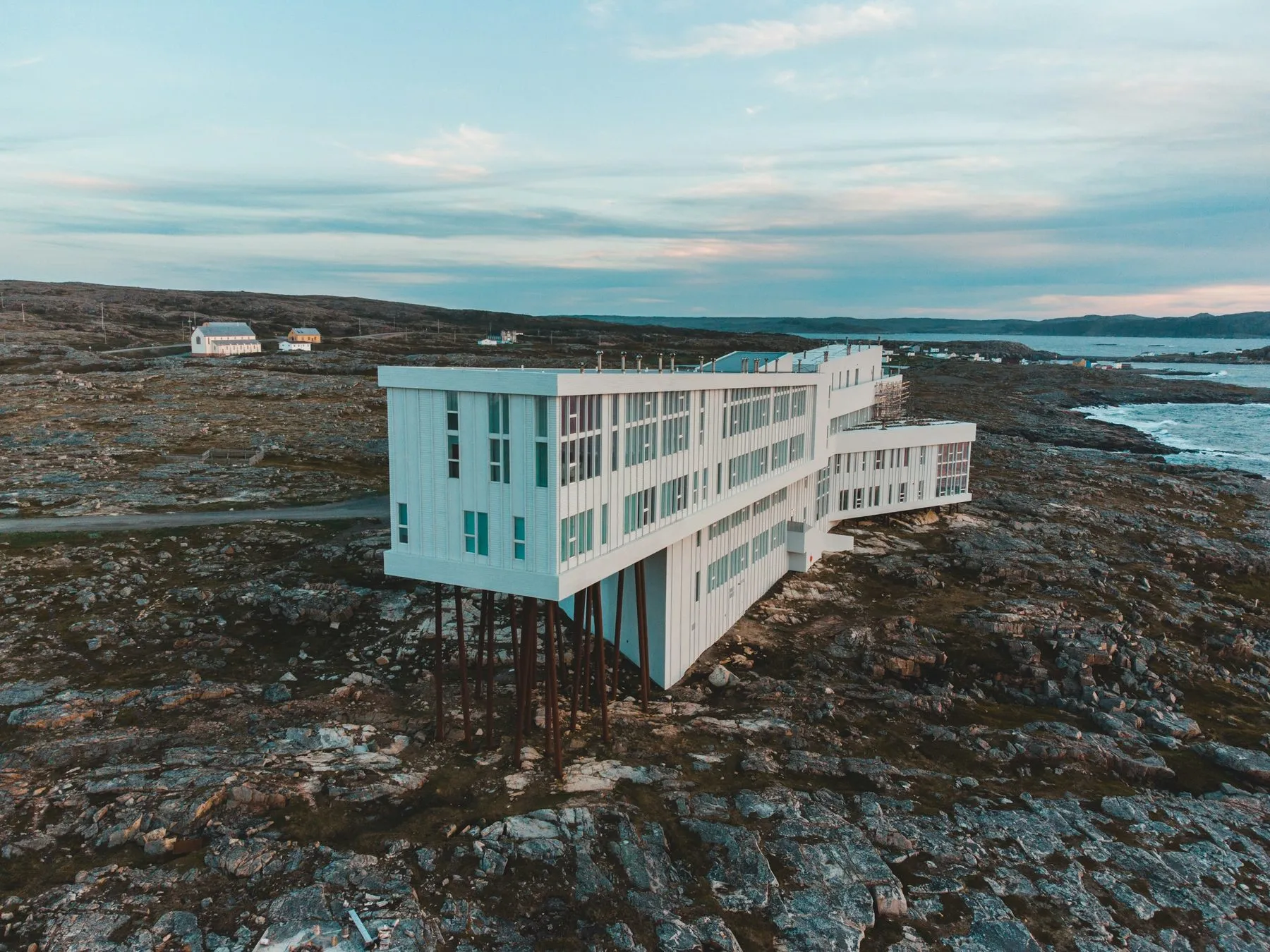
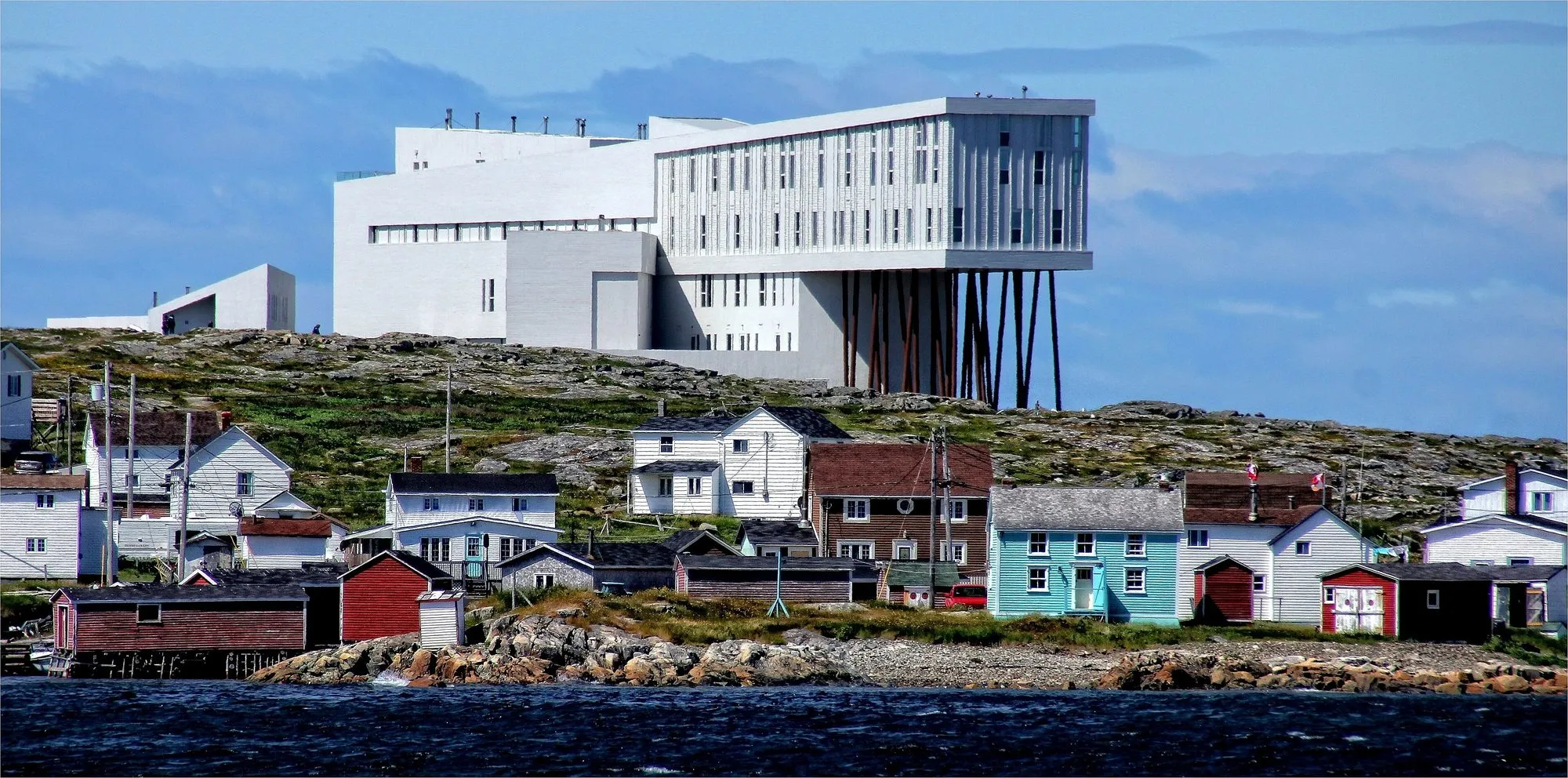
The Fogo Island Inn opened in June 2013, and Saunders designed that too. It has 29 rooms on four floors, every one facing the North Atlantic, and one end of it stands on steel legs about nine metres high, the way a fishing stage stands over the water. The furniture and the quilts are made on the island. There are saunas and hot tubs on the roof.
60 Minutes put the cost at 40 million dollars. Ottawa and the province gave five million each. The rest was philanthropy, starting with her own.
Here is the unusual part. The inn belongs to the charity. Nobody owns shares in it, and every dollar of surplus goes back into the island through Shorefast, which also runs a furniture workshop, a business selling cod caught on hand lines, an ice cream shop and a restaurant.
Each stay comes with a label, set out like the nutrition panel on a cereal box, showing where the money goes. By Shorefast’s figures, 65 cents of every dollar stays on Fogo Island, 13 go elsewhere in Newfoundland, 19 to the rest of Canada and 3 leave the country.
The inn belongs to the charity. Nobody owns shares in it.
What it did
Shorefast and the inn employ more than 300 islanders, on an island of about 2,100 people. Michelin gave the inn three keys in 2024, its highest rating for a hotel.
It has not fixed everything, and nobody on the island says it has. The 2021 census counted 2,117 residents, down from 2,706 fifteen years earlier. Houses that sold for 25,000 dollars now sell for ten times that, which is good news if you already own one. In 2022 the inn and the town council argued over a tax bill of 57,000 dollars and needed a mediator. One café owner told 60 Minutes the inn was a gift and a nuisance at once, which seems about right for a neighbour that size.
Cobb has said she wants less of the market, not more. There are 29 rooms and there will not be 290.
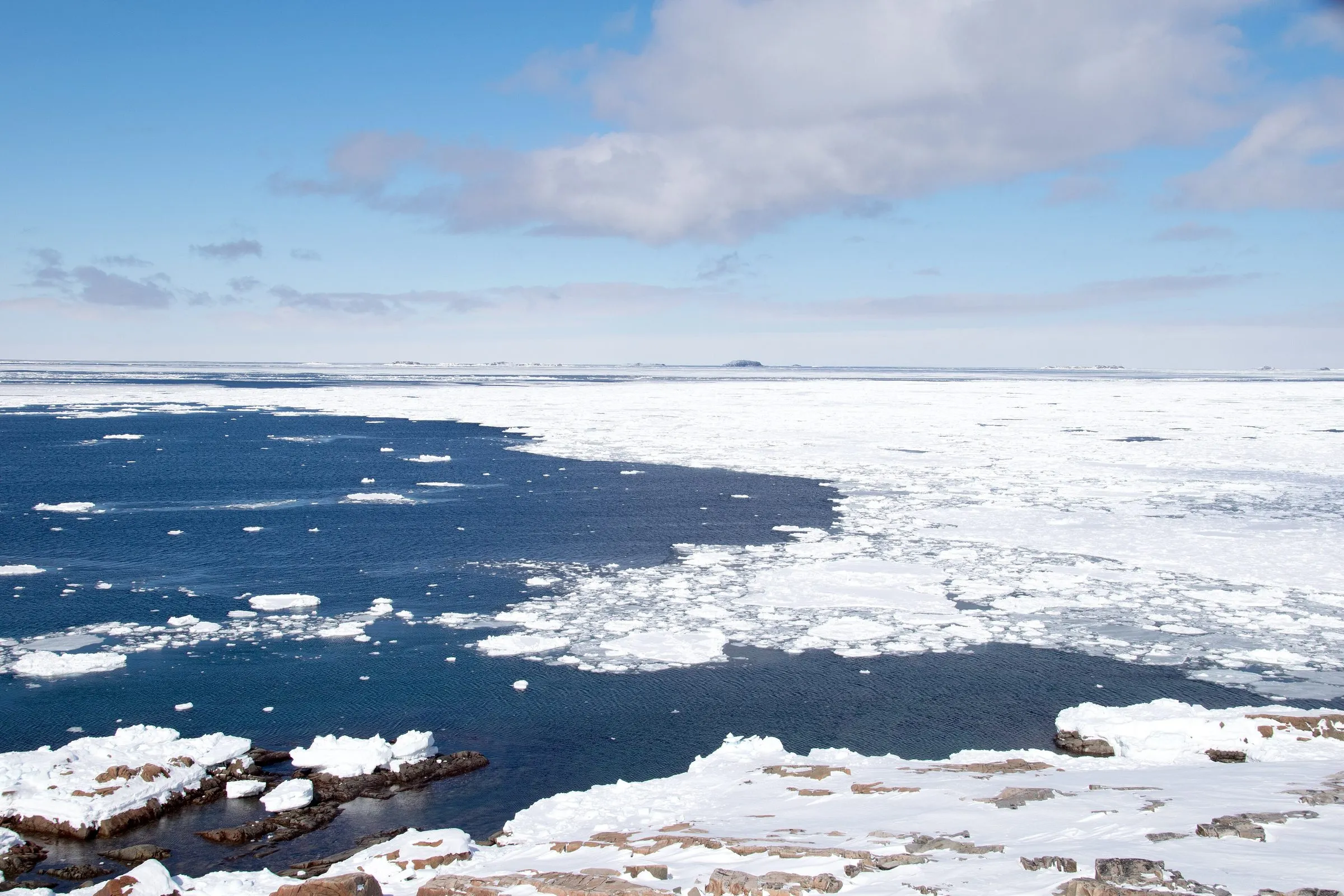
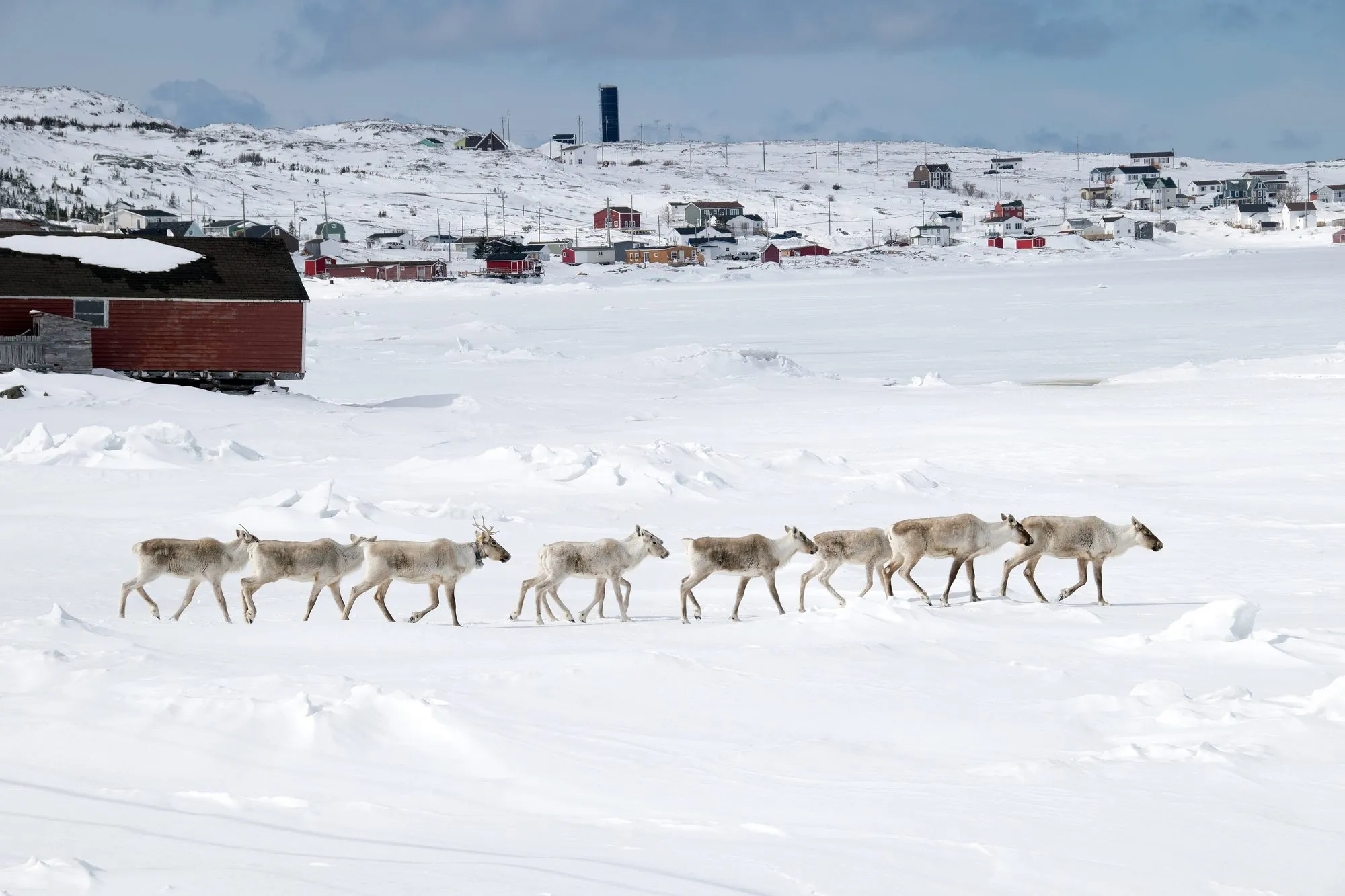
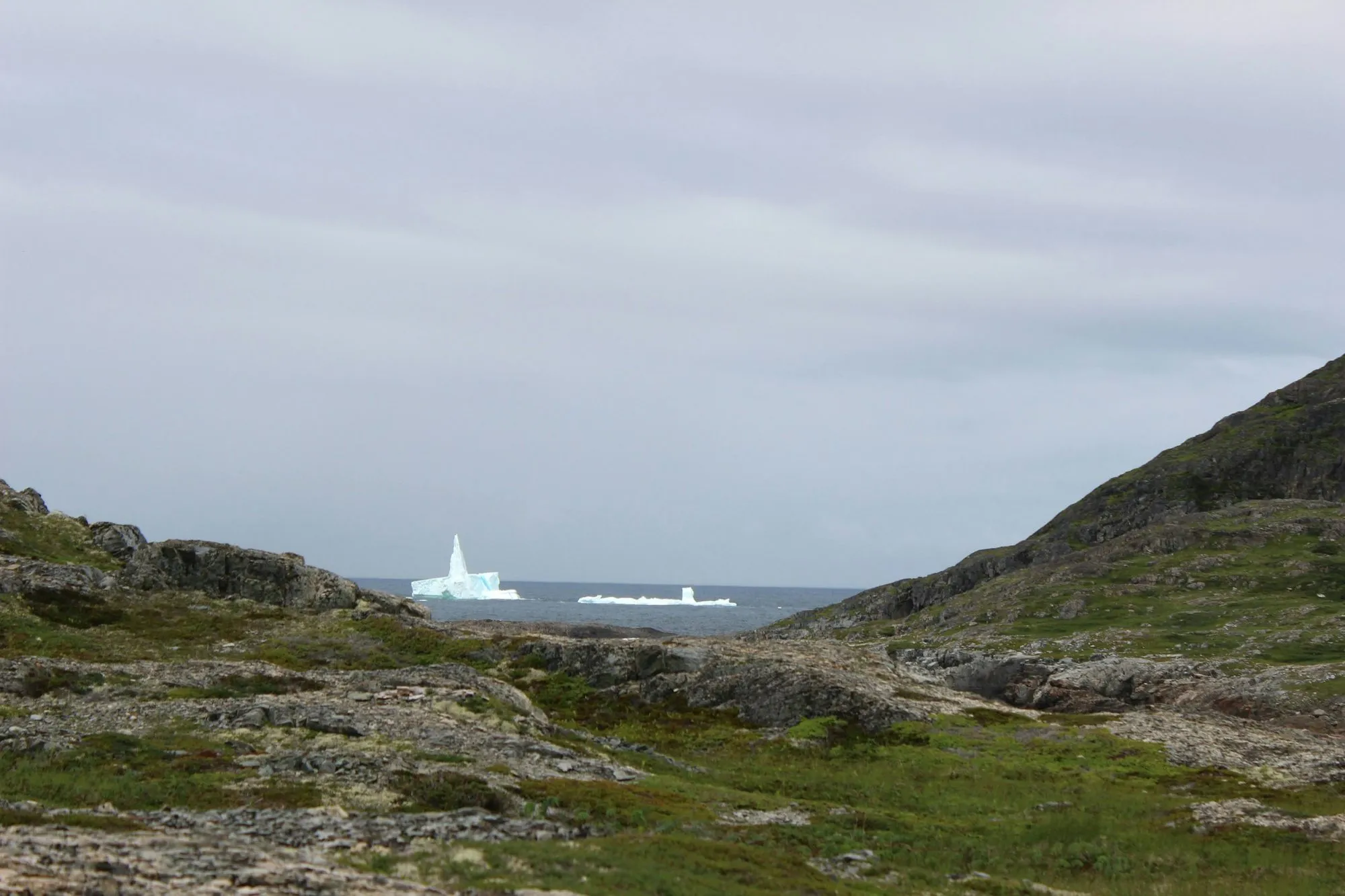
The island, meanwhile, is still the island. Caribou walk across the harbour ice. Icebergs go past in late spring. Brimstone Head, a rock at the far end, is listed by the Flat Earth Society of Canada, not entirely seriously, as one of the four corners of the world.
You can stand on it for nothing.
What a night costs
A room for two with every meal. The price moves with the season and the room.
At the inn
October 2026$2,475
The cheapest nights left before the inn closes for the winter.
March 2027$2,575
Pack ice season. The inn reopens on March 1.
July 2027$3,475
Summer, when most people come.
Three nights minimum, plus 15 percent HST. Travelling alone takes $300 a night off. Alcohol is extra.
Around it
Shuttle from Gander$1,150
There and back with a driver, for up to four people.
Supper without a roomBy the menu
One sitting, at 5:30. Book at least three days ahead.
Rates are the lowest shown on the inn’s own booking calendar on October 2, 2026. Suites cost more. Check again before you book.
If you go
- Getting there
- Fly to Gander, drive about an hour to the ferry at Farewell, then 45 minutes across on the direct sailing. The ferry takes 64 cars and no reservations, so be early.
- When
- The inn closes in late October and reopens on March 1, 2027. Pack ice comes first, then icebergs in late spring, then summer, then berries.
- How long
- The inn asks for three nights and suggests four. The island is 25 kilometres long and rewards walking.
- Without the inn
- You do not need a room to see the island. The studios stand beside walking trails, Brimstone Head is a short climb, and the inn serves supper to people who are not staying.
- Children
- The inn takes children from eight.