The place file / Freshwater Salty
Mackinac Island,
Michigan
Cars were banned in 1898.
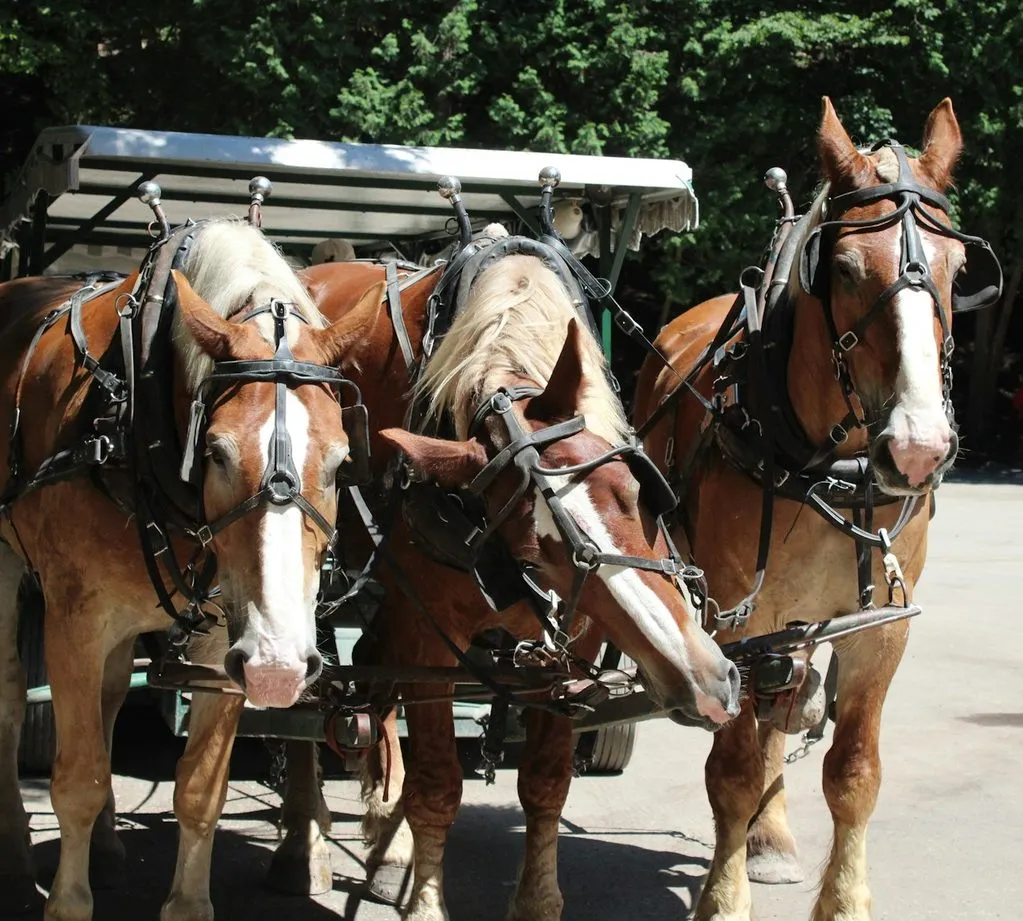
The horses have held the island ever since.
Salty Seniors place guide
Could I live here?The draw
A highway with no cars on it
The catch
Winter, by snowmobile
The question
Could you be one of 583?
Everything arrives by horse
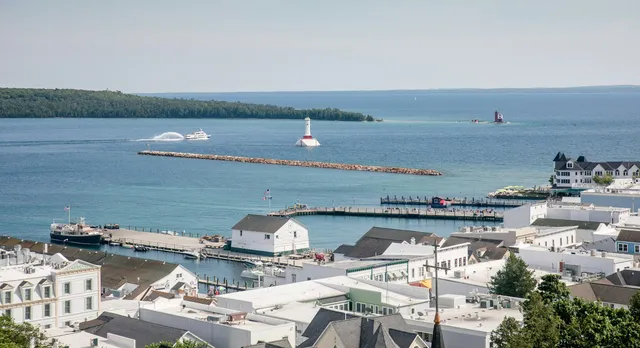
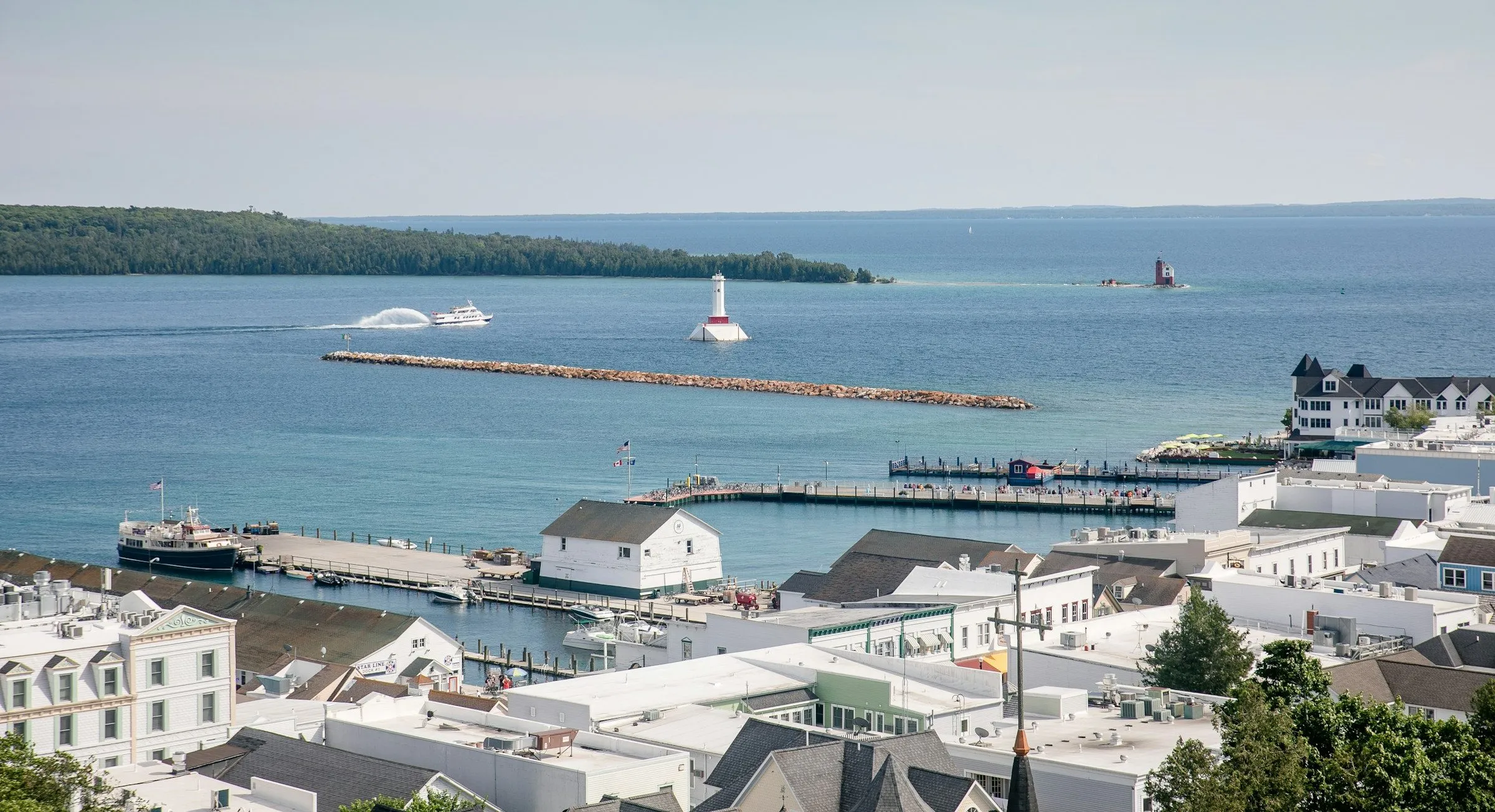
In 1898 an automobile frightened the horses on Mackinac Island, and the village council banned motor vehicles. The ban is still in force. M-185, the road around the shore, is the only state highway in the United States where you can’t drive a car. It is 13 km long and you can cycle it in an hour.
So everything arrives by horse. The luggage, the lumber, the groceries, the parcels from Amazon. About 600 horses work here in summer. Most spend the winter on mainland farms. The 583 people on the census mostly stay.
It is pronounced Mackinaw.
In July the ferries bring thousands of visitors a day. Locals call them fudgies, after the 10,000 pounds of fudge sold daily in high season.
In January the ferries run until the ice stops them. If the lake freezes hard enough, islanders mark a route to the mainland with their old Christmas trees and cross by snowmobile. If it doesn’t, there is a seven-minute flight.
In a cold winter the route to the mainland is marked with used Christmas trees.
What stays open year-round?
Very little, and just enough. Doud’s Market has sold groceries here since 1884 and stays open all winter. So do the school, the post office, the medical centre and a couple of places to eat and sleep. Nearly everything else is locked up by Halloween and stays that way until May.
What will winter ask of you?
A snowmobile, which is the one motor vehicle residents may use, by permit, from mid-November to mid-April. The ferry from St. Ignace runs until the ice stops it. After that it is a small plane, or the ice bridge if one forms. Some winters it doesn’t.
How close is the care you need?
The island’s medical centre takes walk-ins by day and answers emergencies around the clock. The nearest hospital is across the water in St. Ignace, and how you reach it depends on the season and the weather. If your health is predictable, that is workable. If it isn’t, think hard.
Could you live without a car?
You will have to. This is the one place where the question has been settled by law. You walk, you cycle, or you call a horse-drawn taxi, and you leave a car in a lot on the mainland for everything else.
What does a house cost?
Houses rarely come up, and typical values run past US$800,000. About 80 percent of the island is state park, so there will not be more of them. Year-round work mostly means the hotels, the ferries, the carriage companies or the park. Most people who love the place settle for a summer.
Coming from Canada?
From Sault Ste. Marie, Ontario, it is about an hour’s drive south to St. Ignace, then a short ferry. Canadians can generally stay up to six months in any twelve as visitors. If you cross by land and stay 30 days or more, you now have to register with the U.S. government, unless you were given an I-94 at the border.
