The place file / Brittany
Saint-Malo,
France
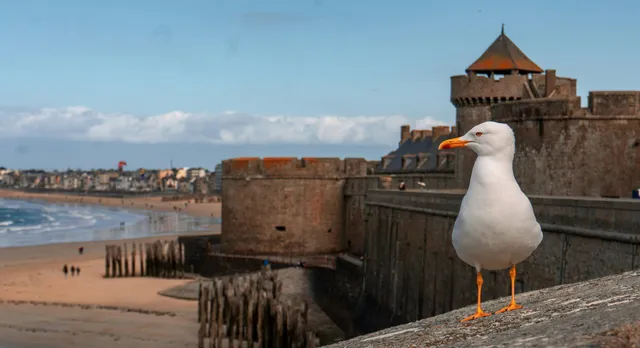
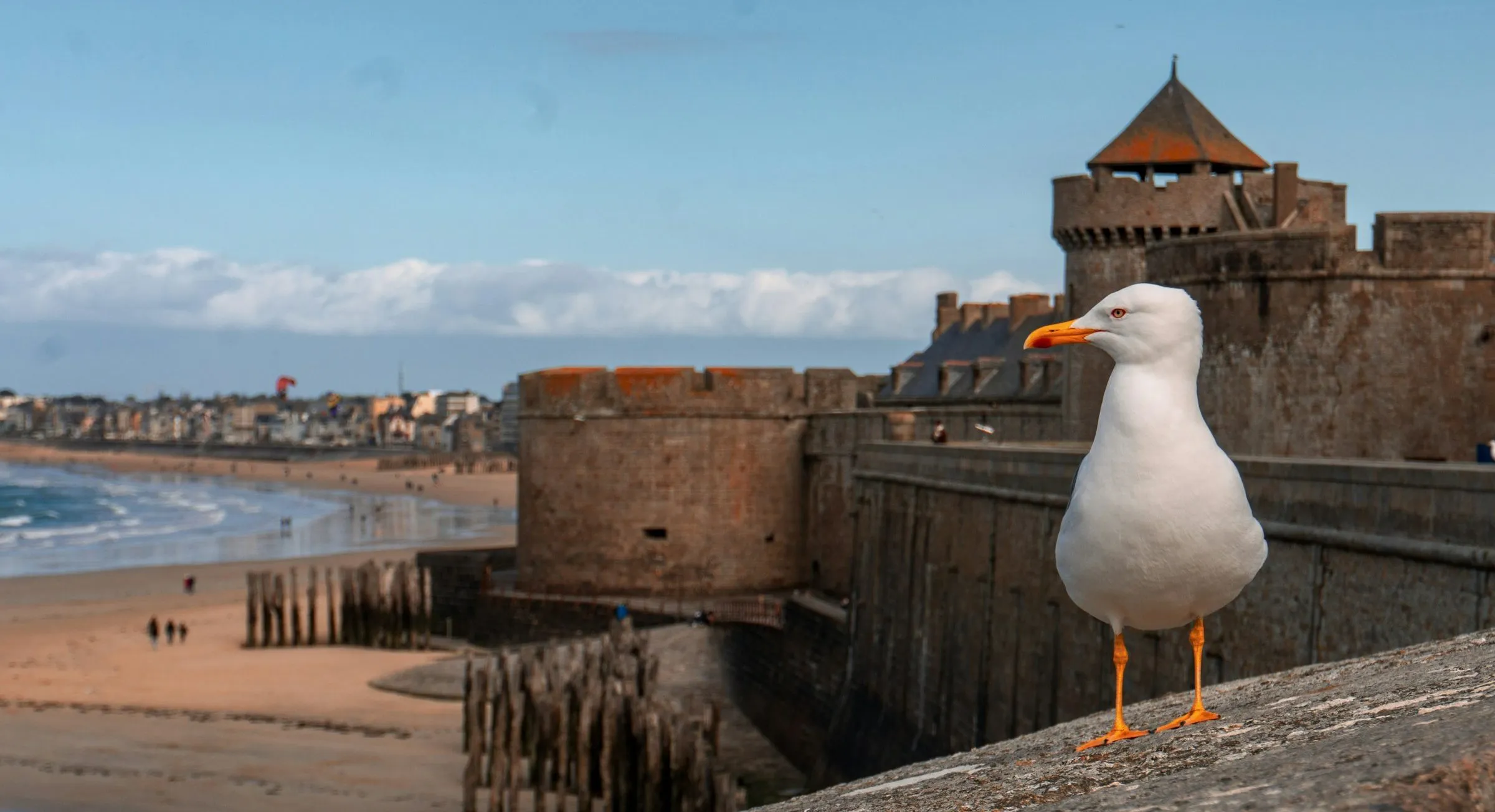
Eighty percent of the walled city was destroyed in August 1944.
It was rebuilt in granite to the old skyline, and most visitors never notice.
Salty Seniors place guide
Could I live here?The draw
A walled city with a 13-metre tide
The catch
Holiday lets are on a quota
The question
Ninety days, then paperwork
It was a republic for four years
For four years in the 1590s Saint-Malo was an independent republic. The motto was Ni Français, ni Breton, Malouin suis. Not French, not Breton, but from Saint-Malo. France got it back in 1594.
The money came from the sea. The king licensed the city’s captains as corsairs, which made it legal for them to rob English ships, and they built the tall granite houses behind the walls with the proceeds.
Jacques Cartier sailed from here on April 20, 1534, with two ships and 61 men, and that summer he reached the Gulf of St. Lawrence. He is buried in the cathedral. The city is twinned with Gaspé.
In August 1944 the old town burned, and about 80 percent of it was lost. The rebuilding took until 1960.
The writer Chateaubriand is buried on Grand Bé, a rock just off the walls. You can walk out to him at low tide. If you misjudge the tide, you wait about six hours for the next one.
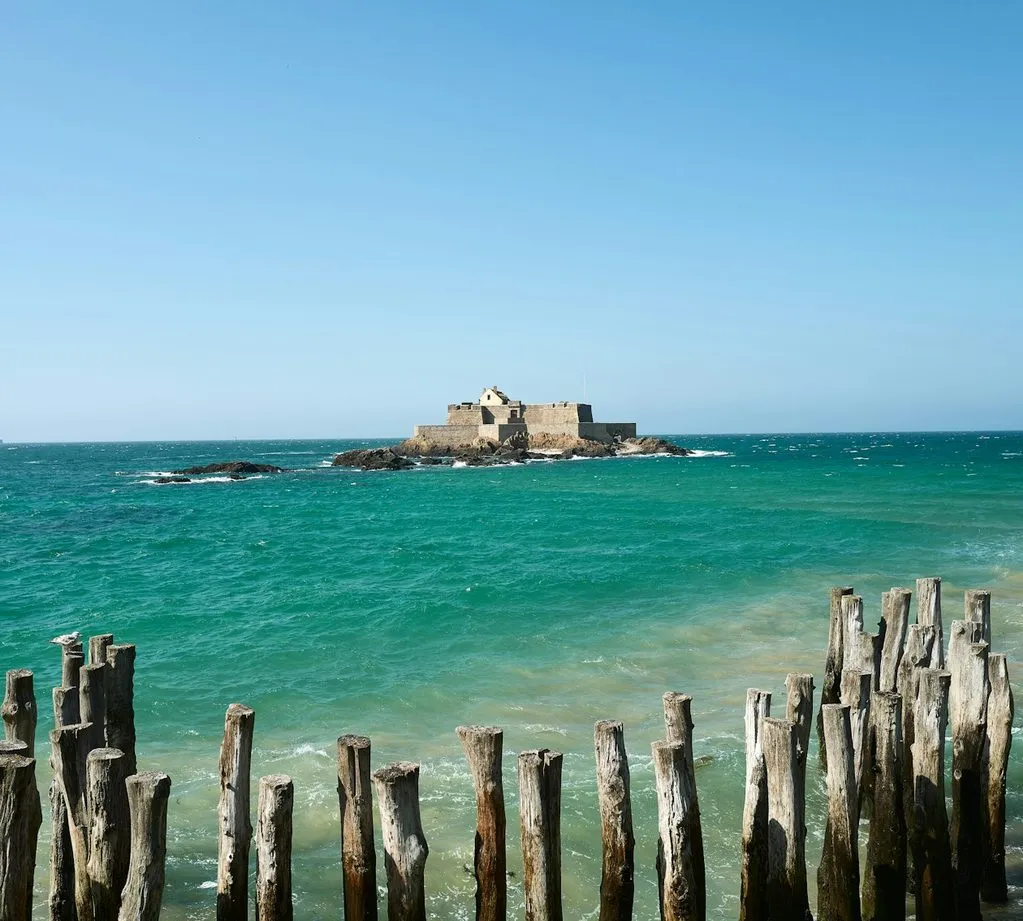
In Spanish the Falkland Islands are the Malvinas. The name comes from the Malouins, the people of Saint-Malo, who settled there first.
What stays open year-round?
All of it. This is a working city of about 47,000 with a ferry port, a fishing fleet, a hospital and a full set of shops. Inside the walls it goes quiet in January, and some restaurants take their holidays then. The markets carry on, and so do the crêperies.
What will winter ask of you?
A raincoat and some respect for the tide. Winters are mild, damp and windy, and it seldom freezes. The sea is the event. The tidal range here reaches 13 metres, and on the biggest tides of the year the waves come over the sea wall while people stand at a careful distance and watch.
How close is the care you need?
Close. The city’s hospital has an emergency department open around the clock, and the university hospital in Rennes is about 70 km away. The French system is good once you are in it. Visitors are not, so until you are resident you need private insurance that covers you here.
Could you live without a car?
Yes. The old town, the beaches and the port are walkable, there are buses, and the TGV reaches Paris in two and a half to three hours. Ferries run to Portsmouth all year. A car is handy for the rest of Brittany and a nuisance inside the walls, where there is nowhere to put it.
What does a house cost?
About €4,500 to €4,650 a square metre in 2026, across the city. So many flats had become holiday rentals that in 2021 the city set quotas by district, capping them at 12.5 percent inside the walls. It is harder to buy a flat here as an investment than it used to be, which was the idea.
How long can you stay?
Ninety days in any 180 across the Schengen countries, as a visitor. For longer, France has a long-stay visitor visa. You show an income of roughly the French minimum wage, about €1,450 to €1,480 a month in 2026, plus health insurance, and you promise not to work. It is renewed a year at a time.
