The place file / Atlantic Canada
Lunenburg,
Nova Scotia
In 1753 the British laid a tidy rectangular grid over a steep hill.
The hill is still there. So is the grid.
Salty Seniors place guide
Could I live here?The draw
A harbour that still works
The catch
It goes quiet in November
The question
How it feels in February
A tidy grid on a steep hill
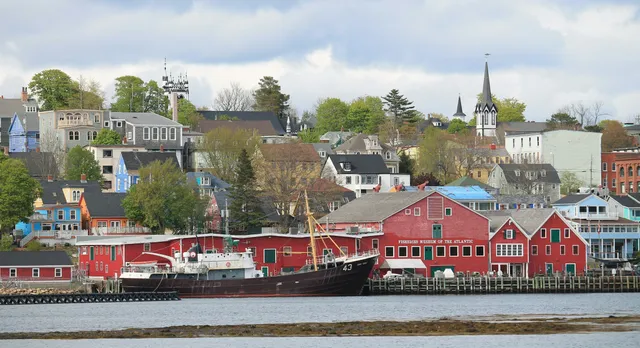
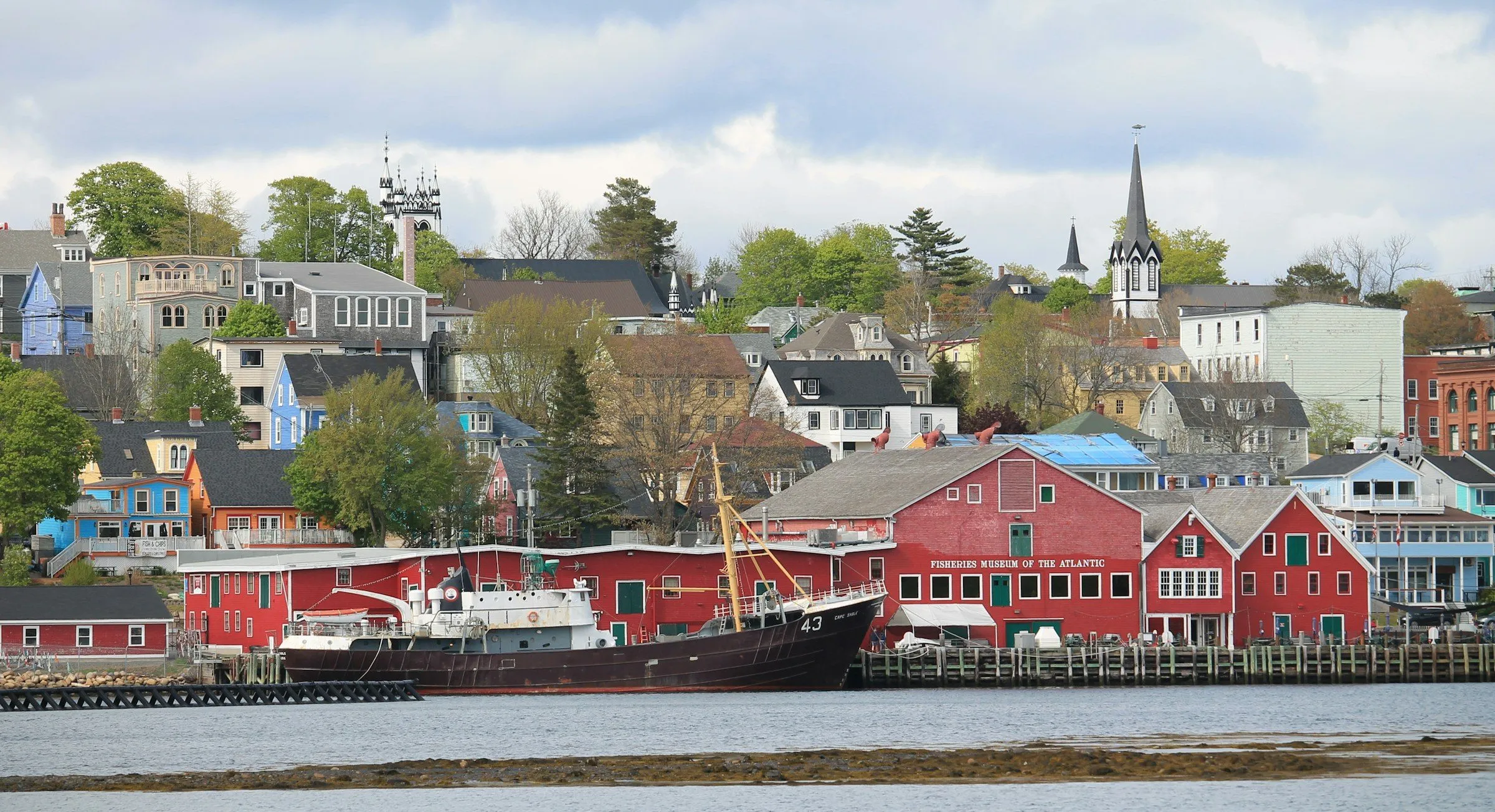
Lunenburg was laid out in 1753 as a model British colonial town, a neat rectangular grid of 48 blocks. It was then applied to a steep hill without adjustment. The streets that run up from the harbour are a climb. The ones that run across are nearly flat. UNESCO lists it as the best surviving example of its kind in North America, largely because nobody ever changed it.
The first settlers were mostly German-speaking farmers. Within a couple of generations they were building schooners.
It is still a working harbour. High Liner Foods has its headquarters here, and fishing boats tie up along the same wharves as the tall ships.
Many of the old houses have a dormer that juts out over the front door, far enough to keep the rain off whoever is knocking. It is called the Lunenburg bump.
About 2,400 people live here. In July it feels like more. In February it feels like fewer.
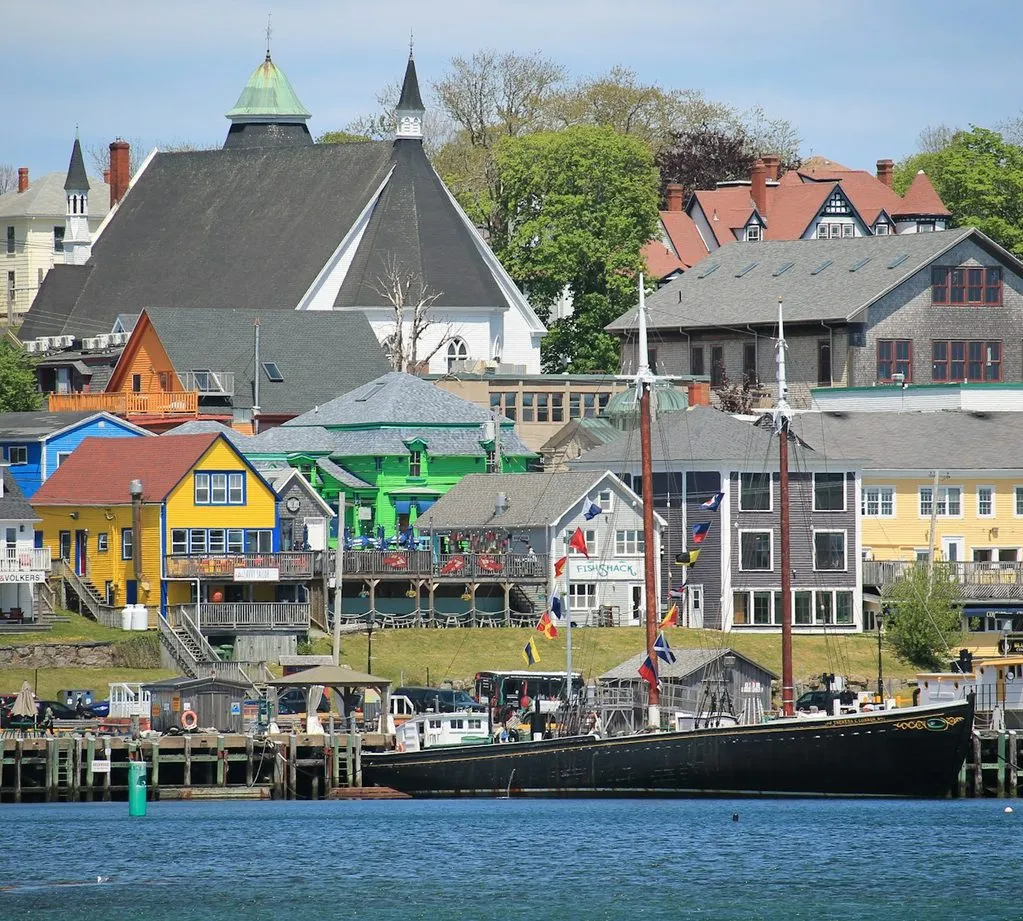
The Bluenose was built here in 1921. It never lost the International Fishermen’s Trophy, and it has been on the dime since 1937.
What stays open year-round?
The essentials. There is a grocery store on the waterfront, a pharmacy and a hospital. A good share of the restaurants, galleries and inns close from November to April or May, and the ones that stay open get to know you. The big-box errands are in Bridgewater, 20 minutes away.
What will winter ask of you?
Less shovelling than inland, and more wind. The South Shore is one of the milder corners of the Maritimes, and snow often turns to rain. The hard part is the dark, quiet stretch from January to March, and the storms. When a nor’easter or the tail of a hurricane comes through, the power can be out for days. People here own generators and know their neighbours.
Read the whole storyHow close is the care you need?
Fishermen’s Memorial Hospital is in town, but its emergency department keeps limited hours and has been closing early on weekends. Check before you rely on it. The full regional hospital is in Bridgewater, 22 km away, and Halifax is about an hour and a quarter. Nova Scotia is short of family doctors, so get on the provincial list early.
Could you live without a car?
In Old Town, for daily life, yes. It is small enough to walk, if steep, and the groceries are at the bottom of the hill. For anything else you will want one. Bus service toward Bridgewater and Halifax is limited, so check that it is still running before you sell the car.
Read the whole story
Places to start your own search.
Homes & neighbourhoods
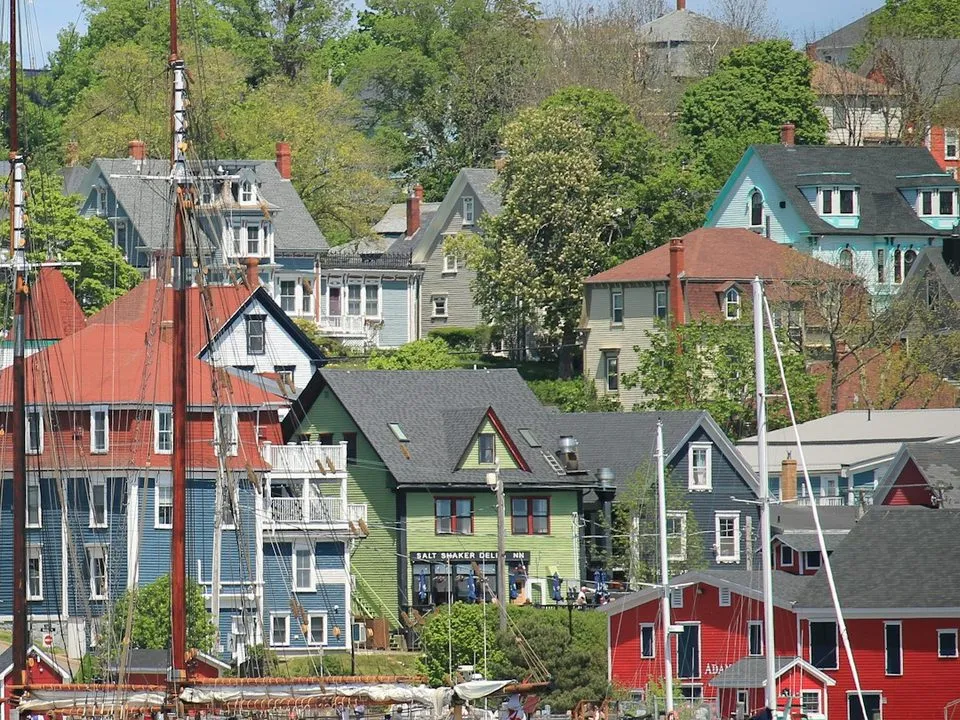
Old Town is the UNESCO part and priced like it, at around $750,000 for a detached house in 2025. The town also has a say in what you do to the outside. The streets beyond are easier on the legs and the budget.
See what the view costs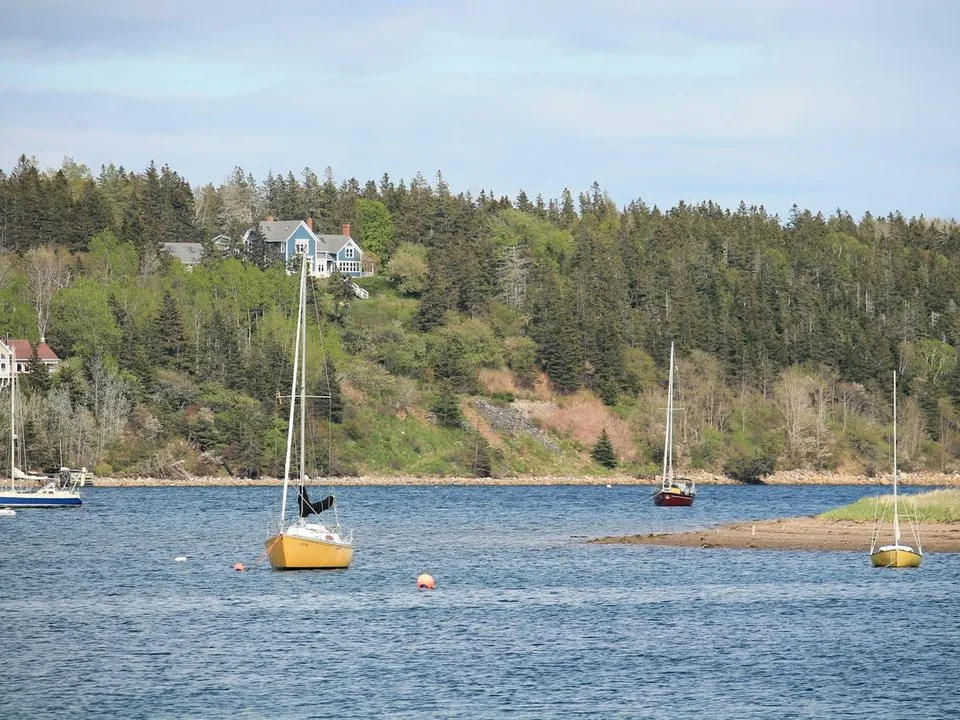
Less house, same harbour
There are condos, apartments and a few retirement residences in town and in Bridgewater. Visit on an ordinary Tuesday in February, not on a tour in July.
Two views worth the extra ten minutes.
See more places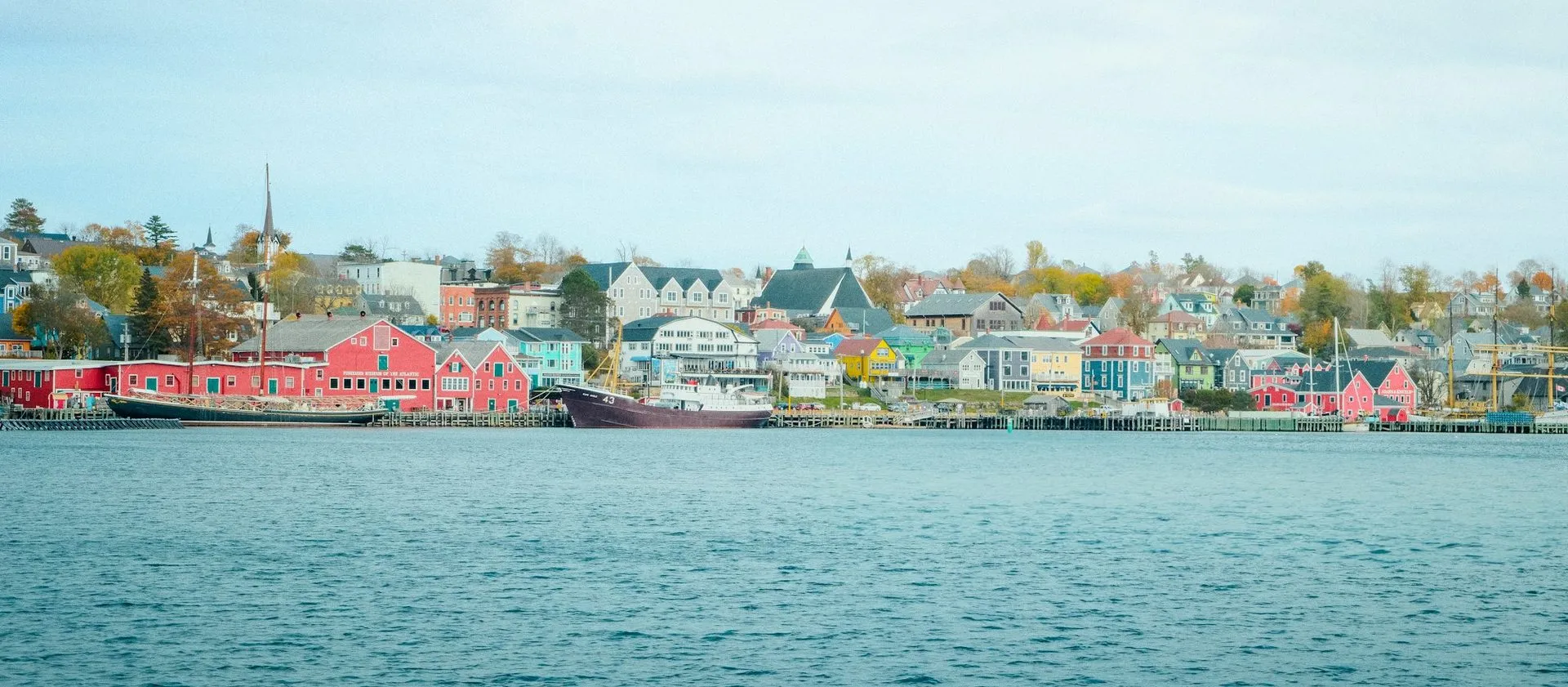
The whole town, from across the harbour. 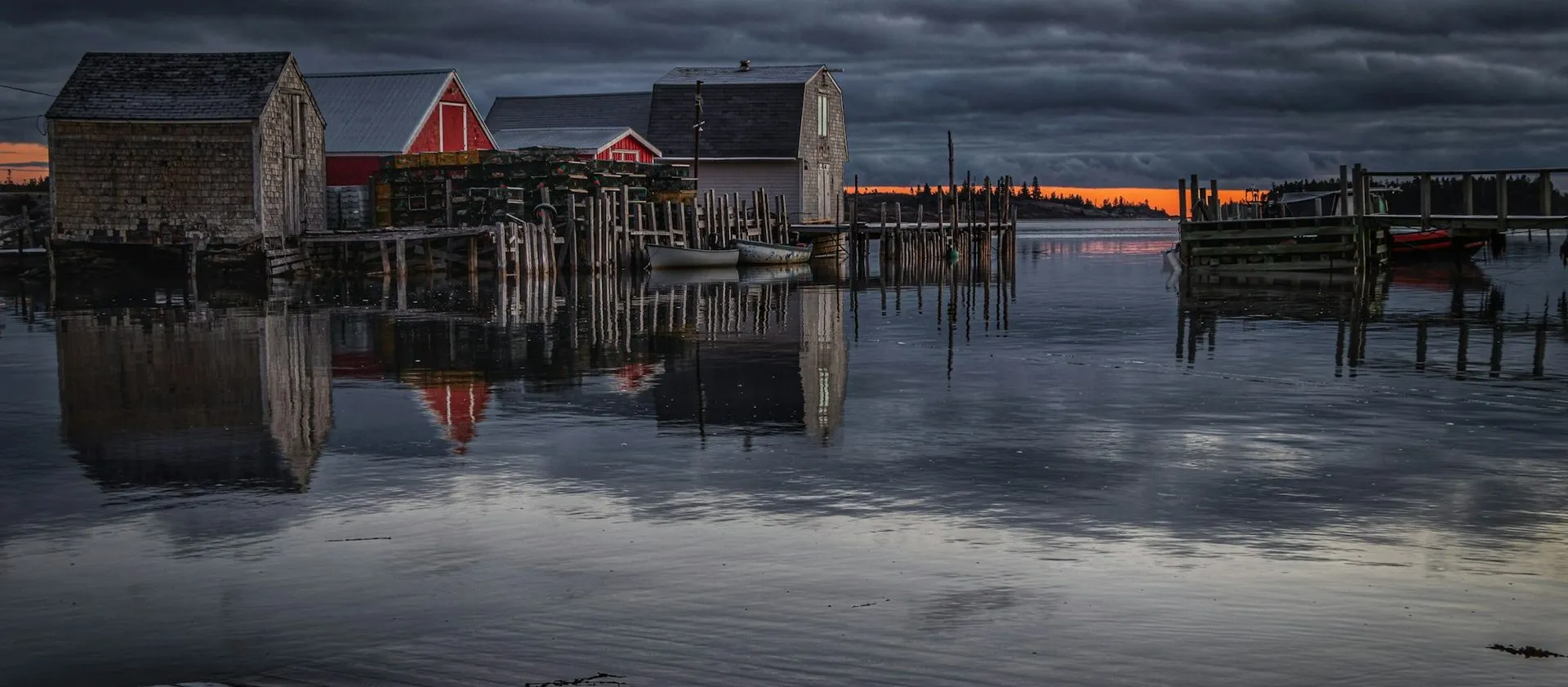
Blue Rocks, ten minutes down the road. Fewer shops, more rocks.
